

September 2025
I absolutely admire how things that have been on your wish list for ages eventually come true at some point in your life. It proves that the only thing that ultimately lacks is time – what a striking discovery! Ten years ago, while cycling around Iceland, I read the Danzig Trilogy by Günter Grass, and thus a seed was planted: I needed to visit Danzig — today’s Gdańsk. For years it lingered at the back of my mind, but as I had already visited Kraków and Warsaw, going to Gdańsk with the sole purpose of visiting it felt a bit extreme. At the same time, no business ever brought me to that part of Europe.
Until two events happened: my brother moved to Poland for his studies, and Russia attacked Ukraine, forcing the closure of airspace to civil aviation. This meant that every time we traveled to or from Ukraine, we had to pass through Poland. If that wasn’t the right moment to finally go to Gdańsk, then when would it be?
So, after three more years of playing with the idea, postponing, and badly coordinating, my brother and I found a perfect September weekend to visit. We took a train from Kraków (where I had flown in from Toulouse on my way back to Ukraine) and off we went.
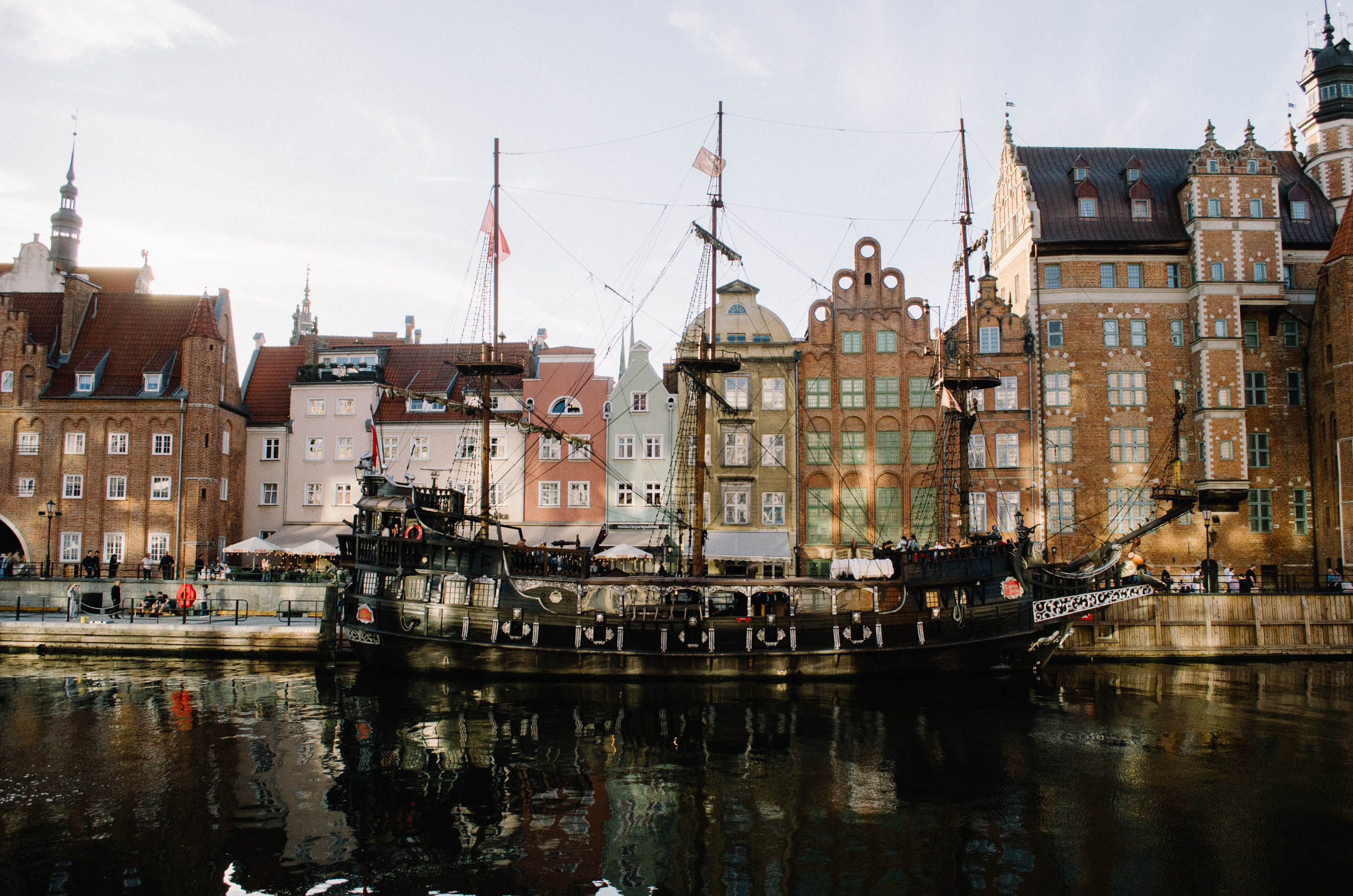
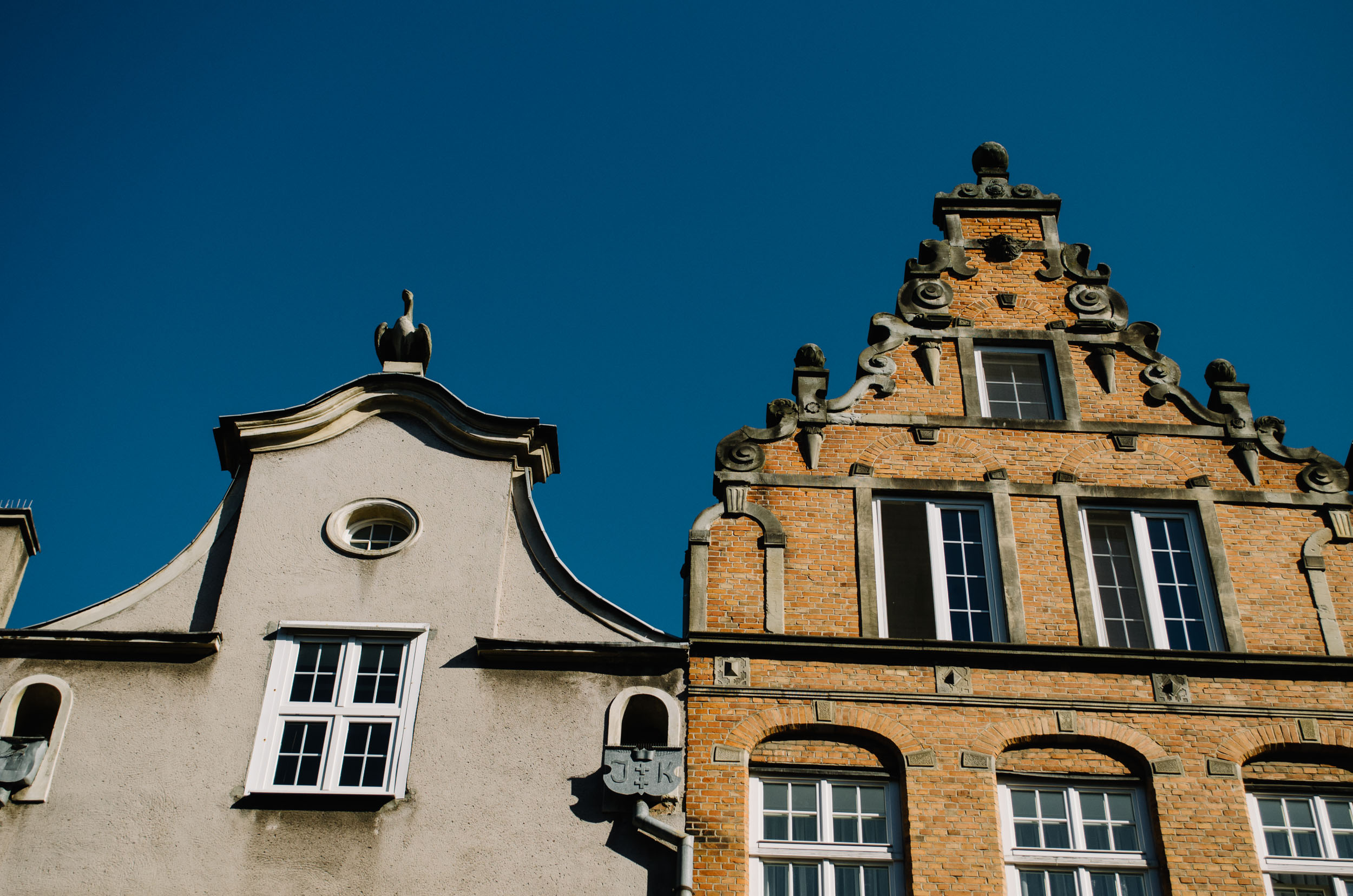
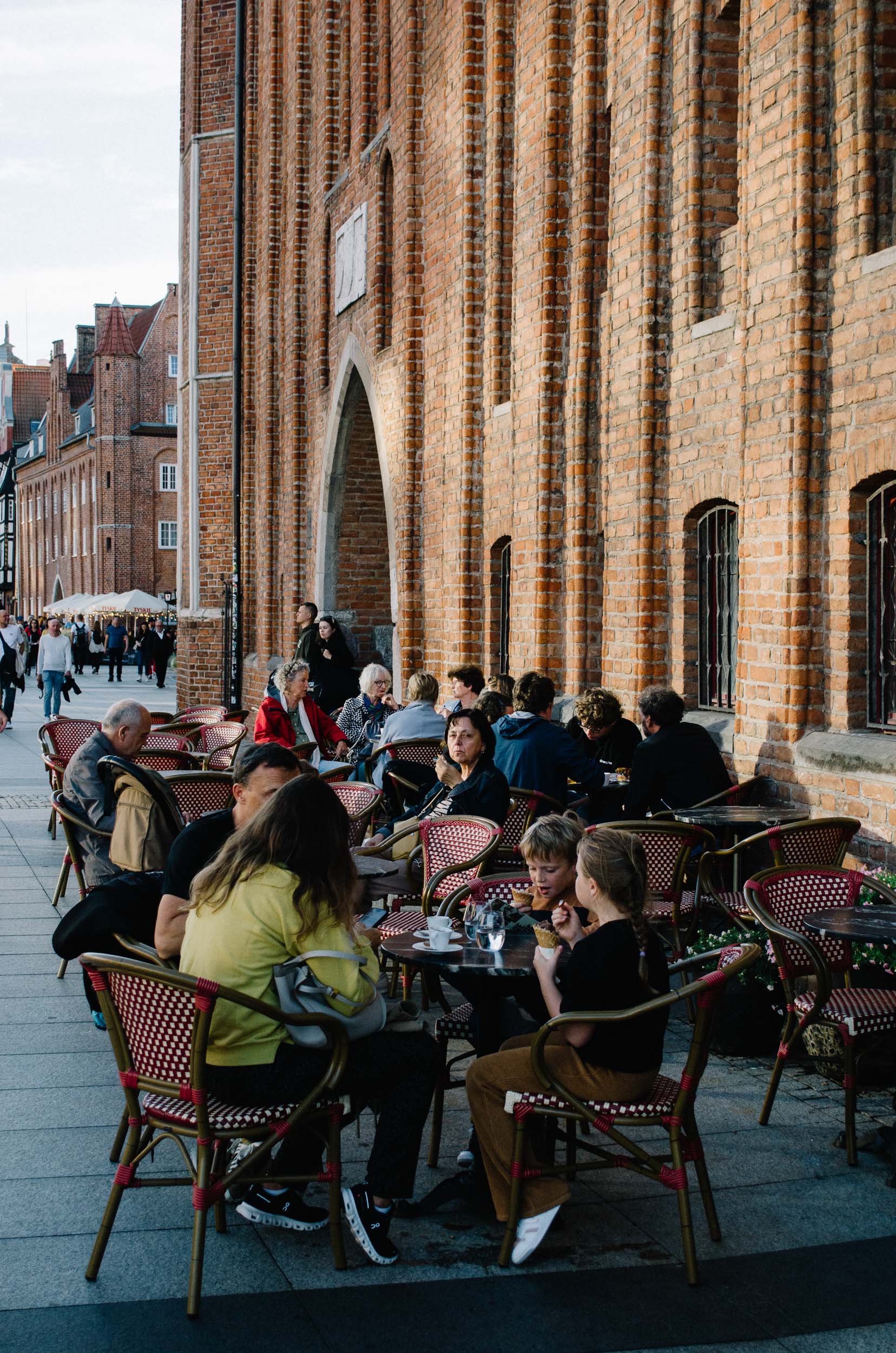
I had a very fixed image of Gdańsk in my head: rows of gingerbread houses, a harbor, and a severe northern sky reflecting gloomily in the waters of the Baltic Sea. The reality, however, didn’t match this fantasy. First of all, there was nothing severe — in fact, the days were warm and sunny. And I quickly discovered that Gdańsk isn’t exactly on the sea the way I imagined it; I mean you don’t see the sea from downtown, but the city as a whole is on the sea. No moody horizon for me then! The gingerbread houses, though, were very much there.


What to Do in Gdańsk?
Since I still want this post to be found in the infinity of the internet, I’ll turn to the classic list of things to do, along with some good food spots (all personally tried unless stated otherwise).
Old Town of Gdańsk
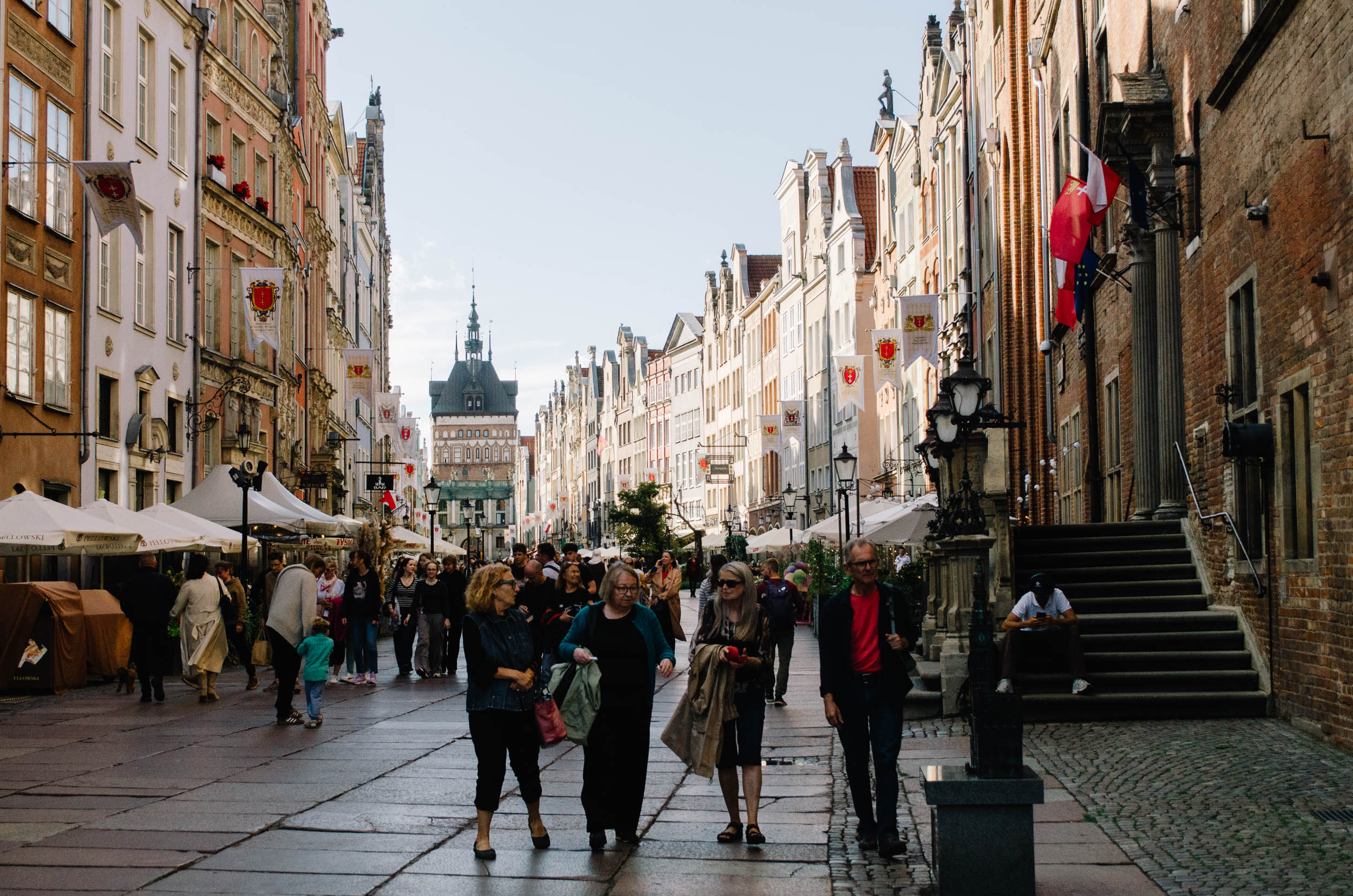
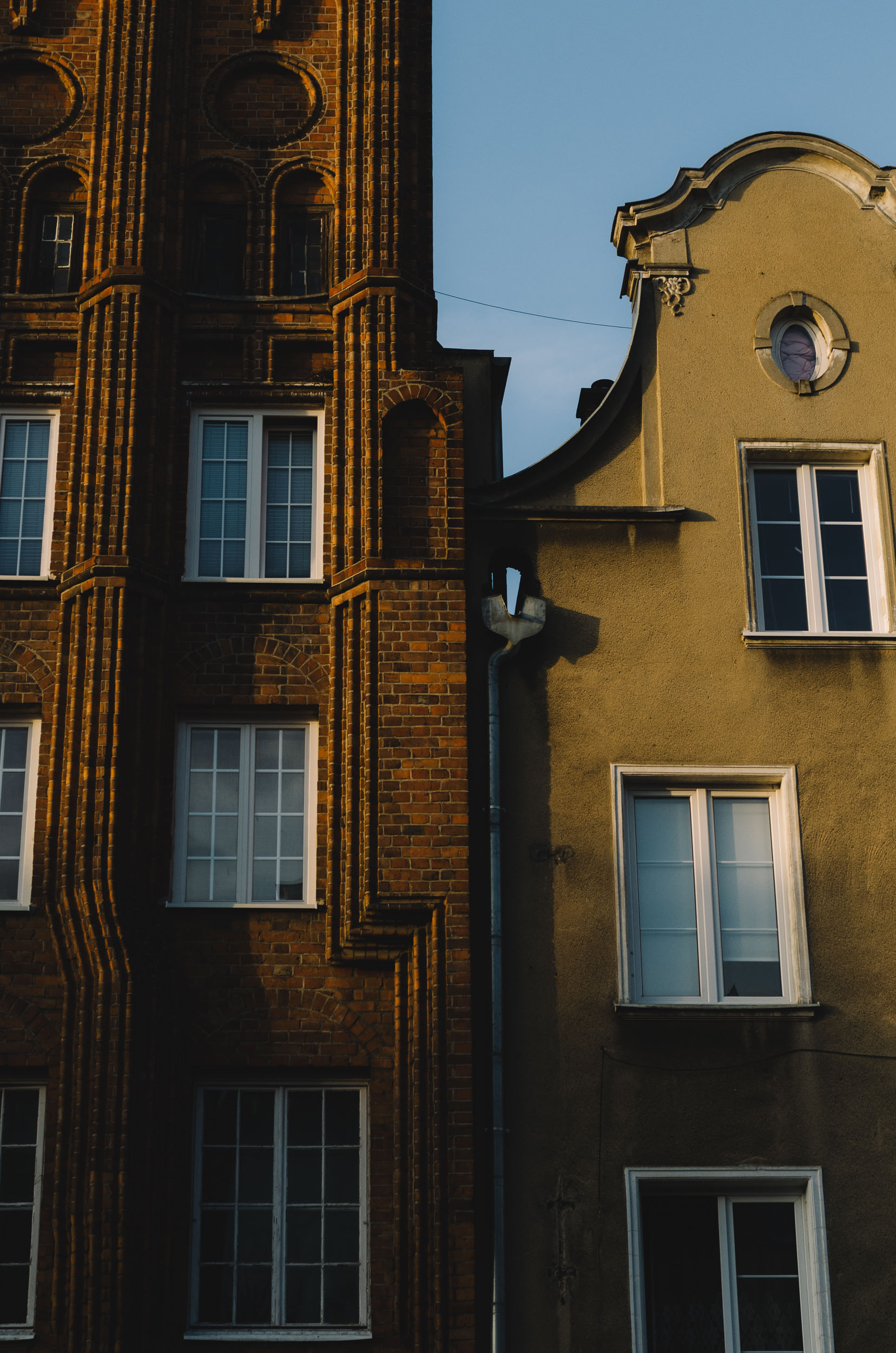
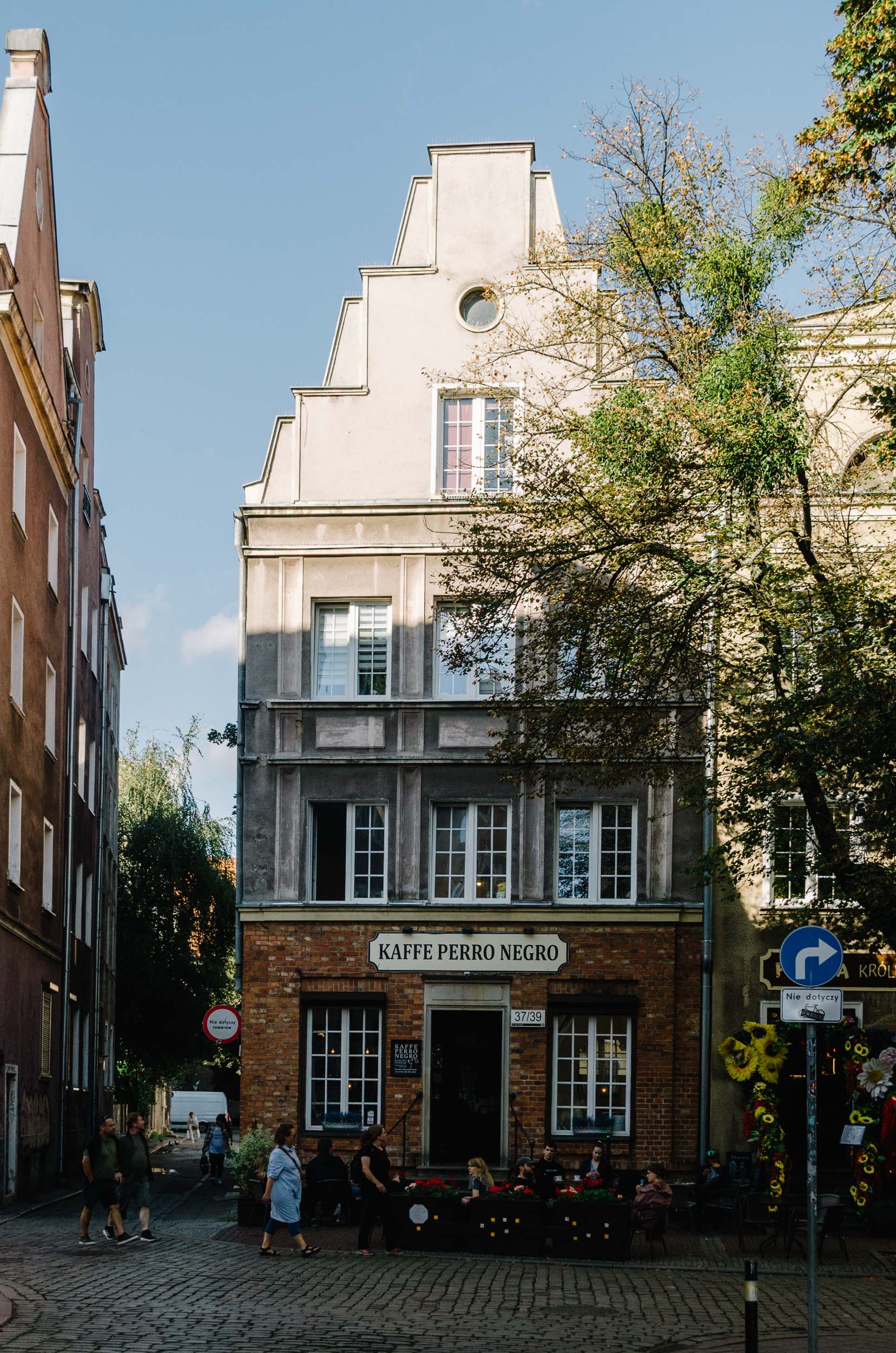
First and foremost, the Old Town. When I visit cities in Poland, I feel a particular warmth, especially after 2022. Like Warsaw, Gdańsk suffered horrible destruction during WWII (to which I’ll repeatedly refer in this post): 90% of the Old Town was destroyed. According to Wikipedia, fewer than 40 residential buildings remained standing. This gives you an idea of the massive effort it took to restore the lost Hanseatic architecture (the typical narrow, elongated, colorful houses) — and that is exactly what makes my heart melt.


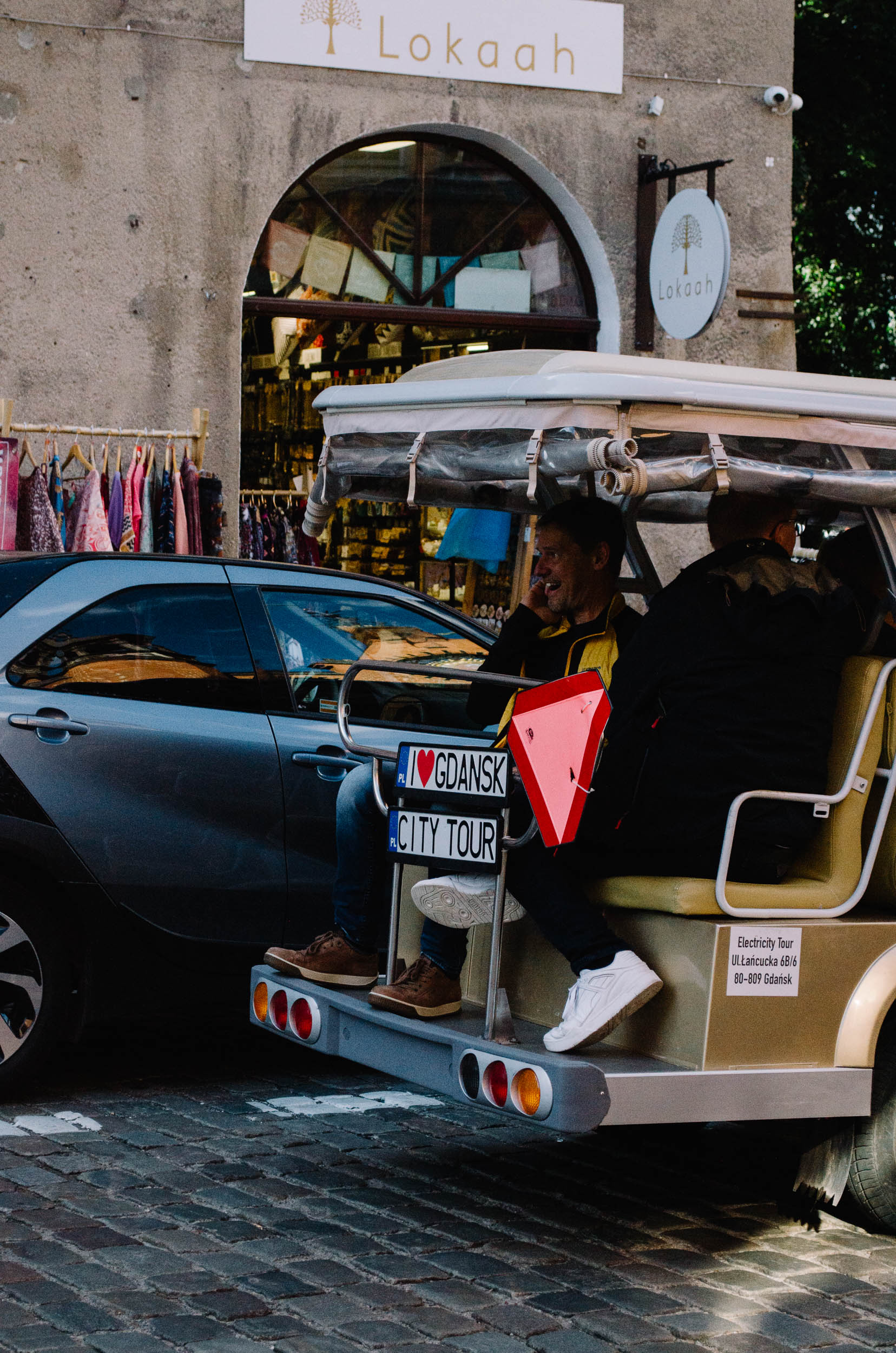
The Old Town of Gdańsk is busy and vibrant, full of cafés, shops, and restaurants of every size and style. But, as always, the moment you leave the main arteries (like Długa Street and Długi Targ), things calm down. My favorite street by far is Mariacka Ulica: it’s cozy, the view is amazing, and the amber merchants add an ancient vibe to the town. It’s also decorated with stone gargoyles — a delightful and unexpected Gothic touch.
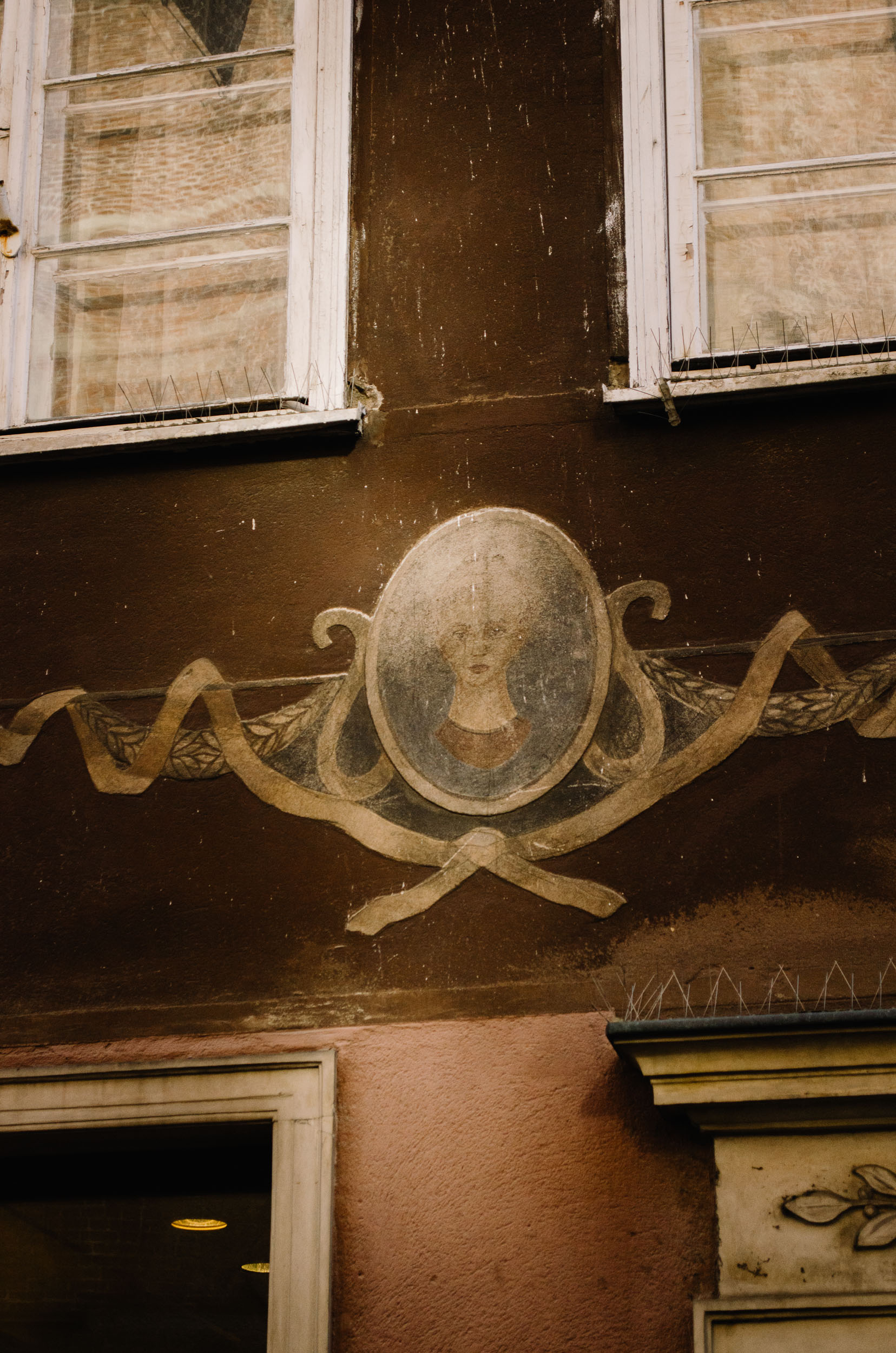
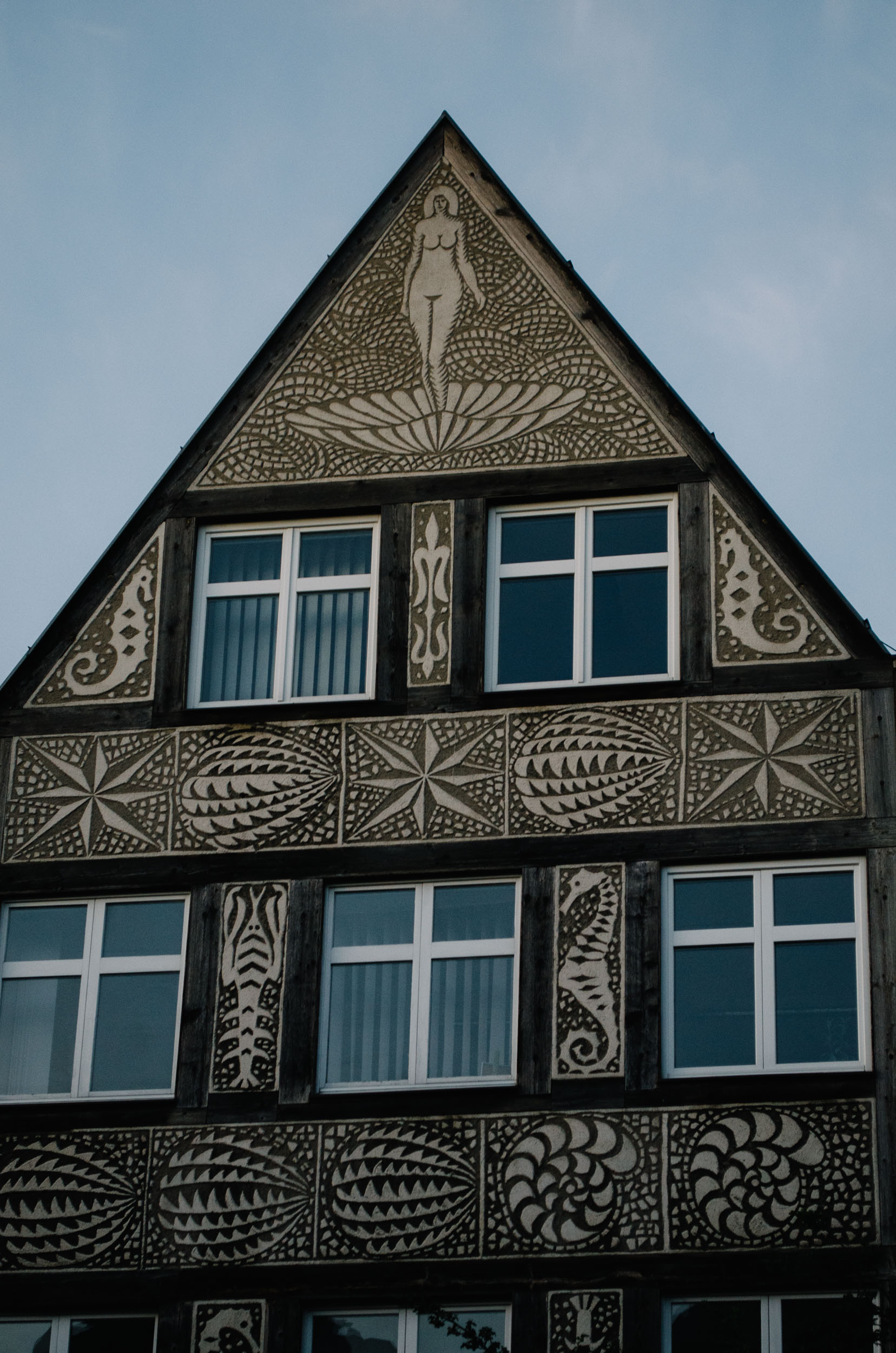
In general, what I loved most about Gdańsk were the tiny architectural details — bas-reliefs, painted ornaments, sculptures. It’s like walking through a richly illustrated book that you could study forever.

Długi Targ (Long Market)





Neptune’s Fontain on Długi Targ (Long Market)

Amber merchants on Mariacka Ulica

Covered market
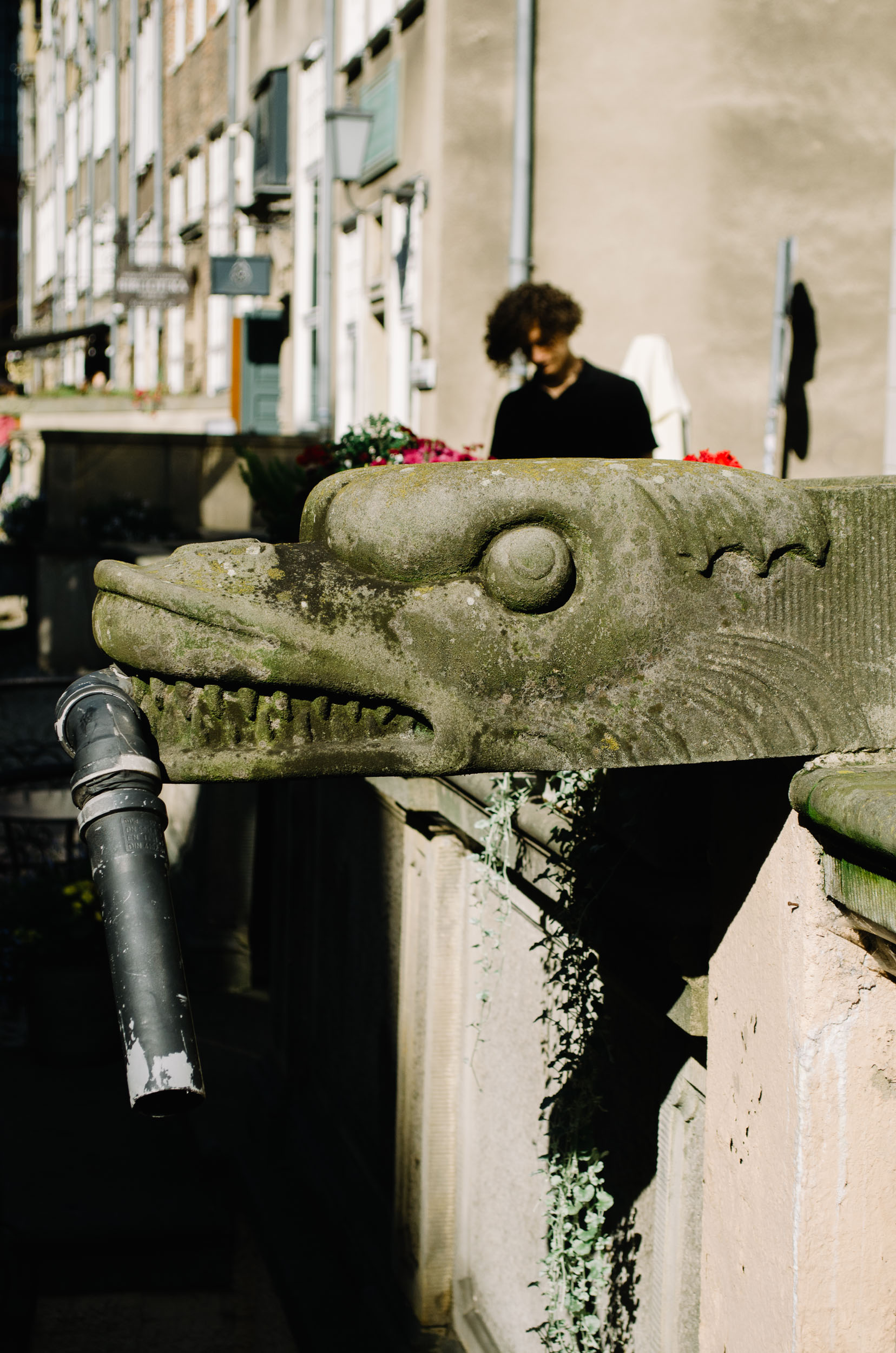
Gargoyle on Mariacka Ulica


Motława River Embankment
Gdańsk’s quays (or Długie Pobrzeże in Polish) are a logical continuation of the Old Town, but I still want to highlight them separately, because it was here that I felt exactly what I came for — the atmosphere of the Danzig Trilogy. As busy as the Old Town, with restaurants twice as expensive, the embankment is alive with boat tours, school groups, and tourist crowds. And yet, it is fantastic: the bustle of an old port town whose strategic location earned Gdańsk its special status as a Free City (and, consequently, made it the first target during the war — but more on that later). The architecture, the boats, the medieval crane — it’s a marvelous place.
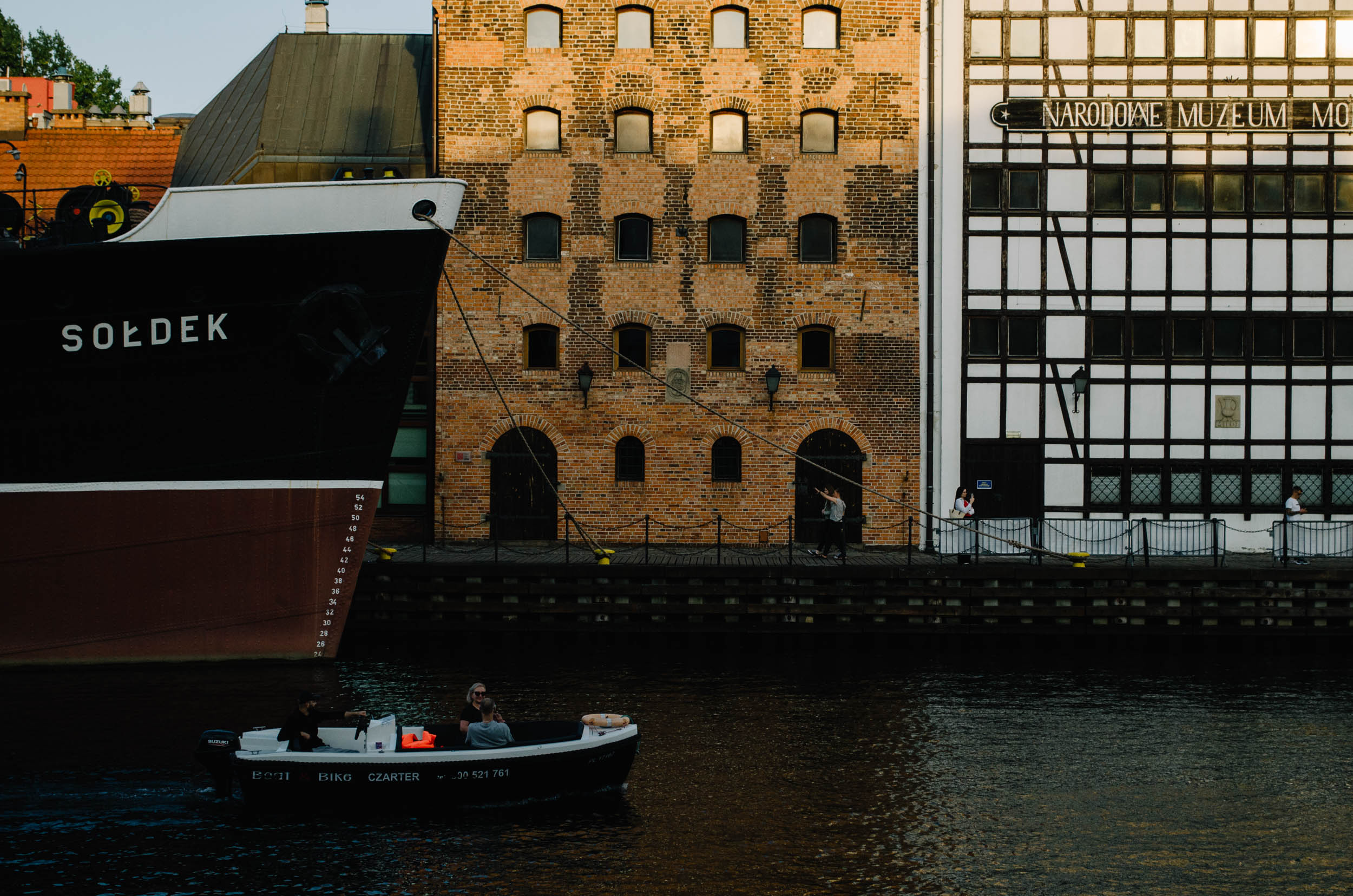


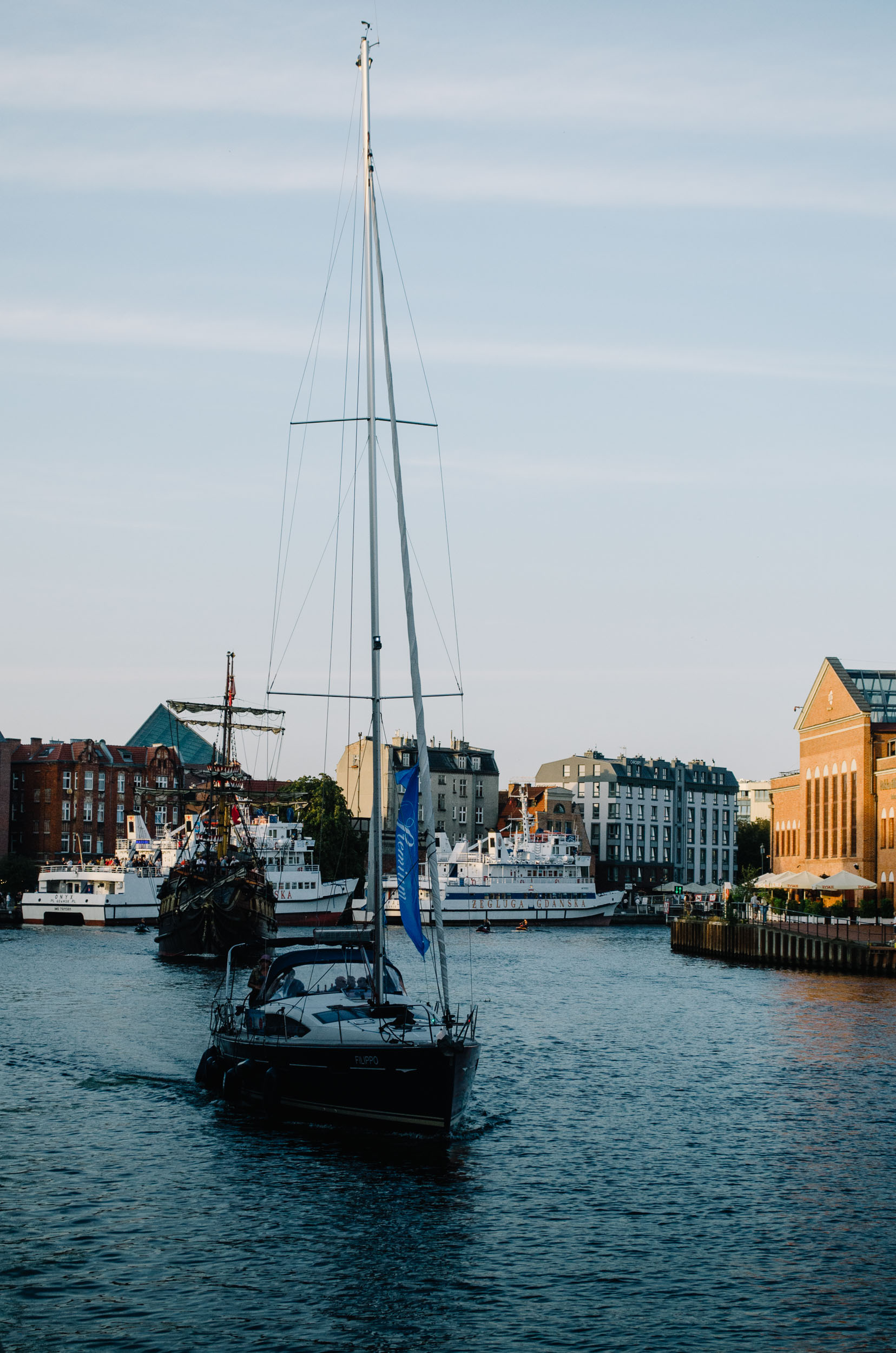


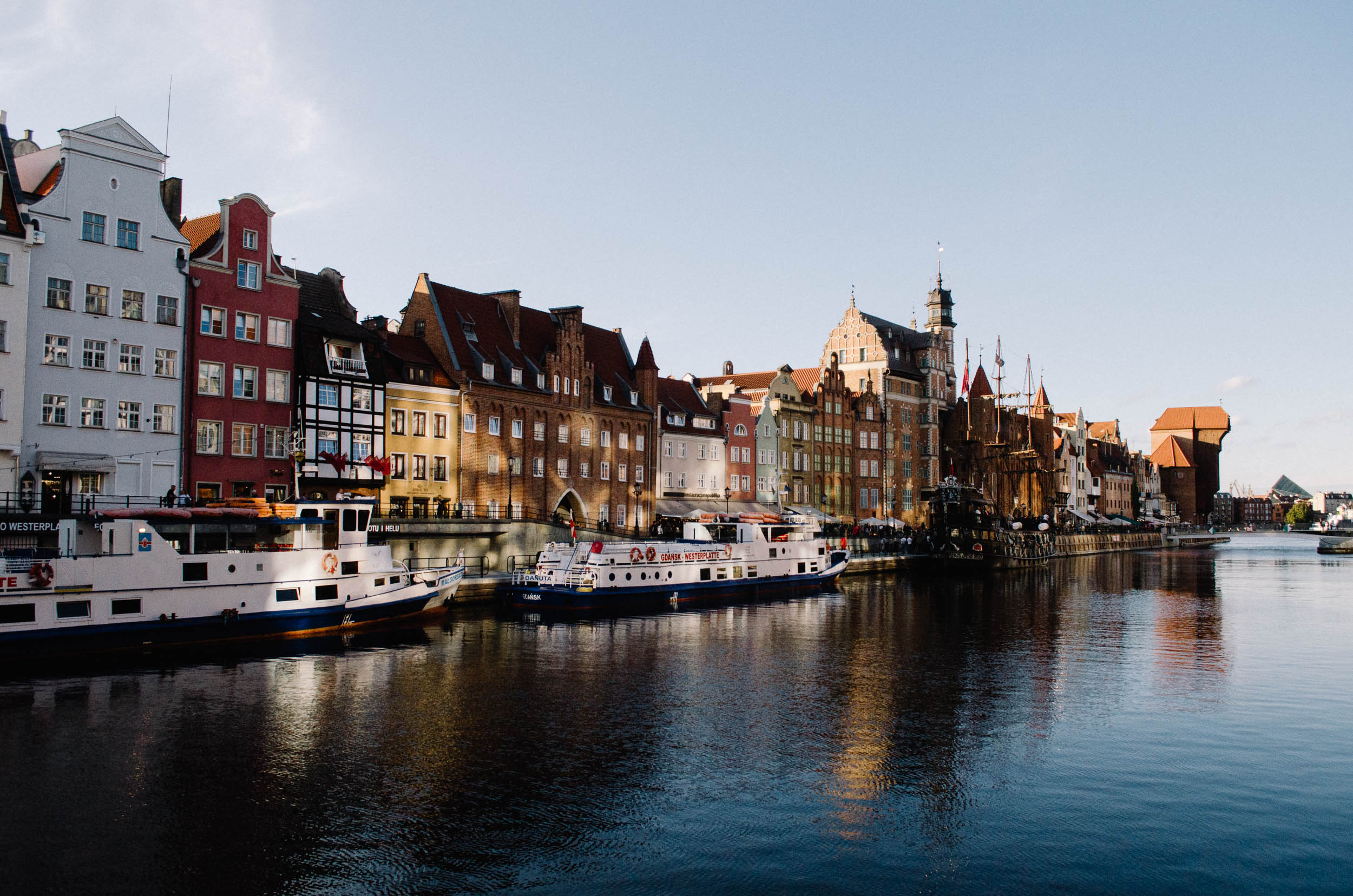


Gdańsk Crane
View Over Gdańsk
Naturally, finding a viewpoint is a must-do in every European city, and in Gdańsk we went to the two best: St. Mary’s Church and the Town Hall Tower.
To be honest, I hadn’t planned to visit both. The Town Hall Tower was my first choice, but on that particular day it was closed due to bad weather, so we went up St. Mary’s instead. The church itself is stunning—its massive windows and walls left me speechless, and the interior is well worth a visit too.
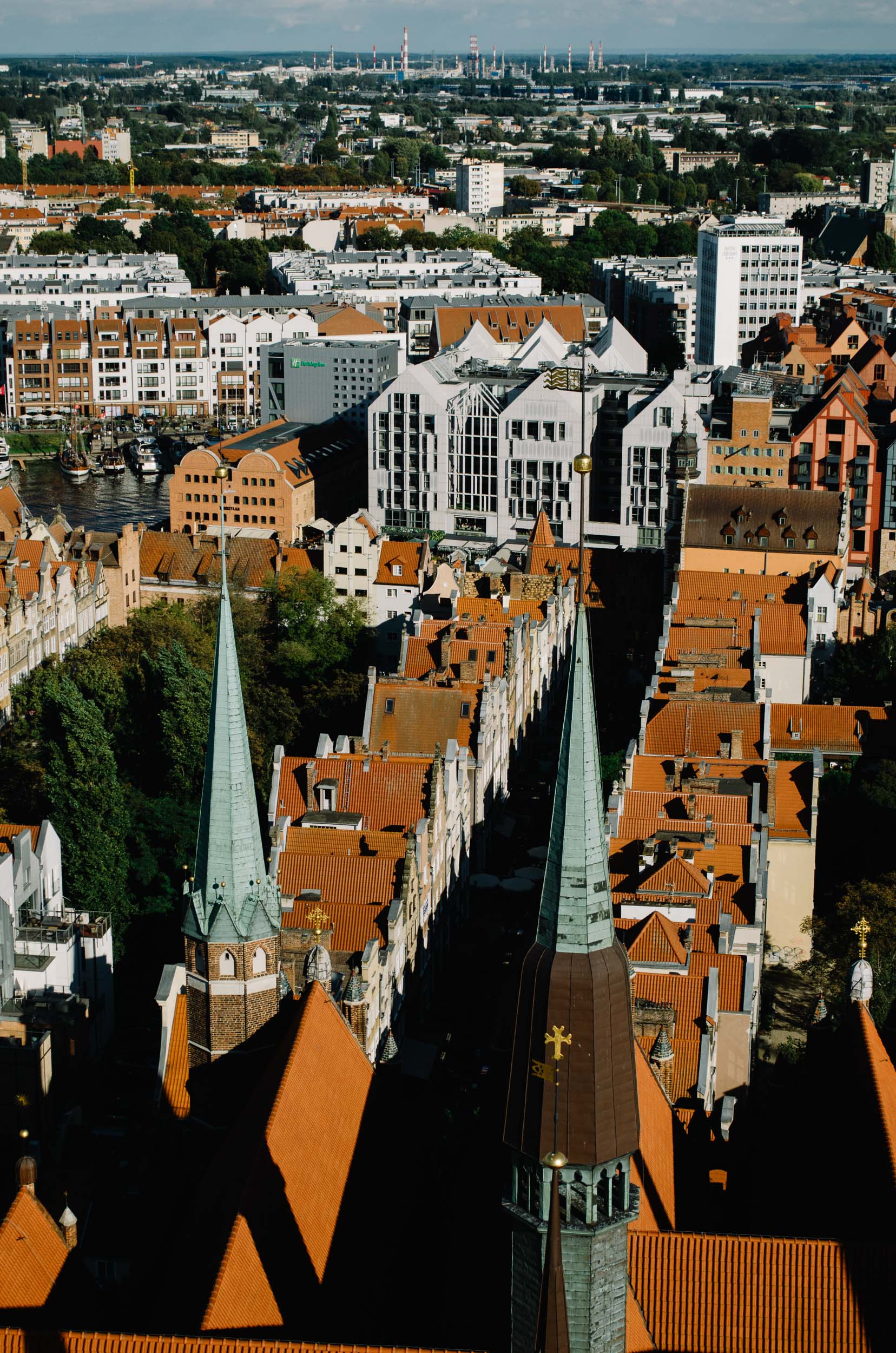
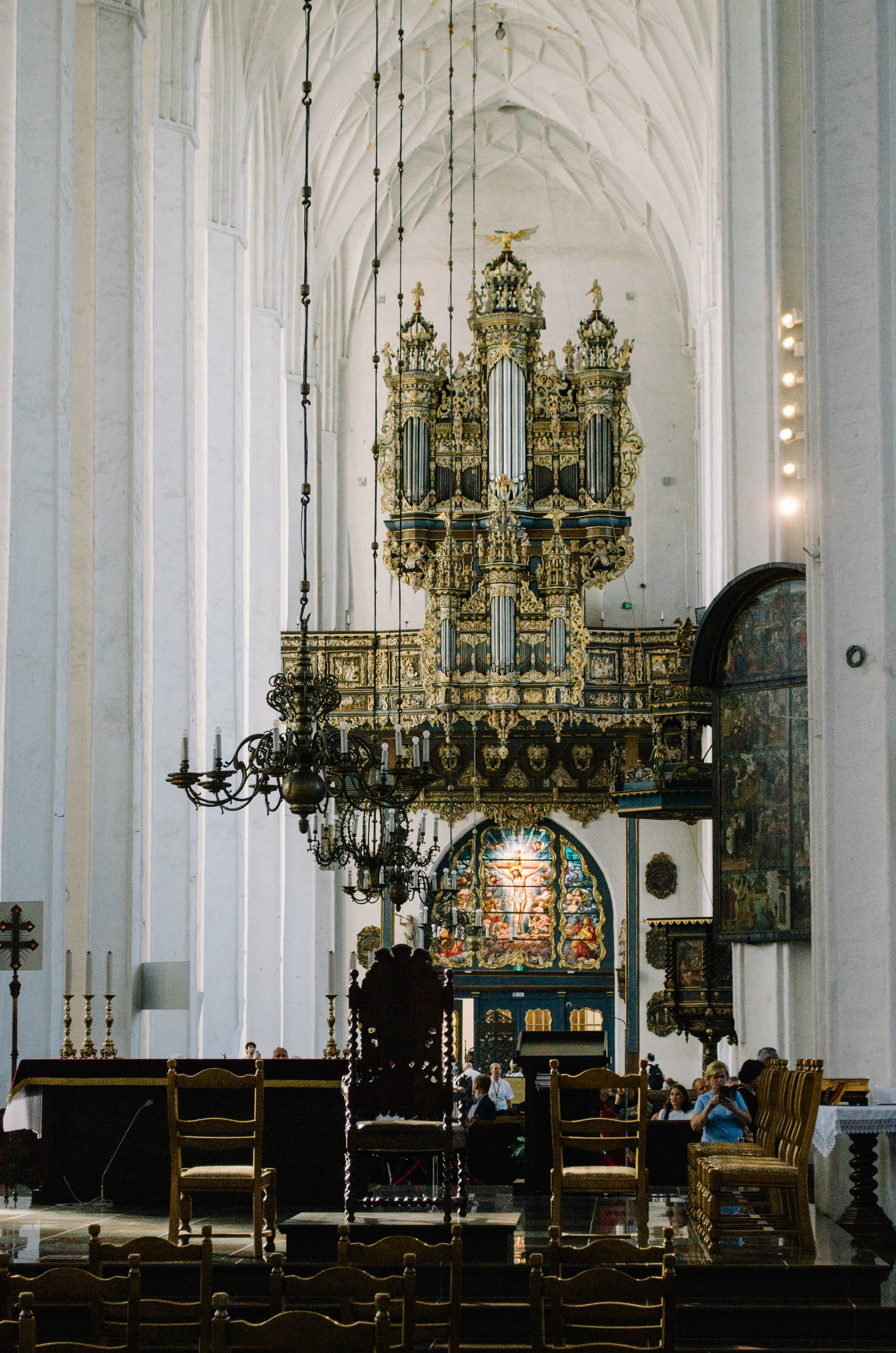


View from St. Mary’s Church
As for the tower, though, I much preferred the view from the Town Hall Tower. It’s probably what Xavier and I call The Eiffel Tower effect — what’s the point of a Paris skyline without its most iconic landmark? Similarly, the best view of Gdańsk is the one that includes its most prominent church.

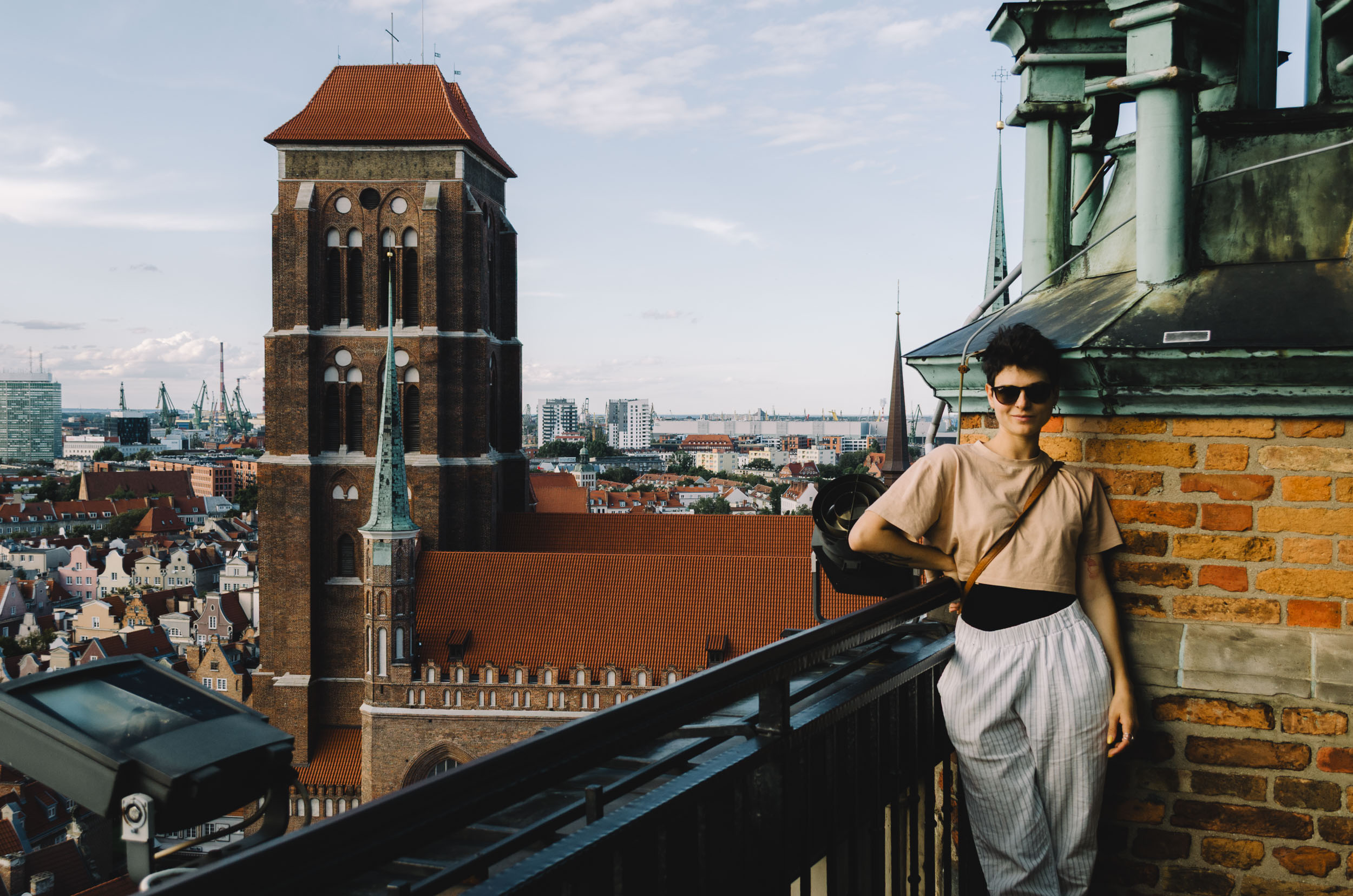
View from Town Hall Tower


Museum of the Second World War
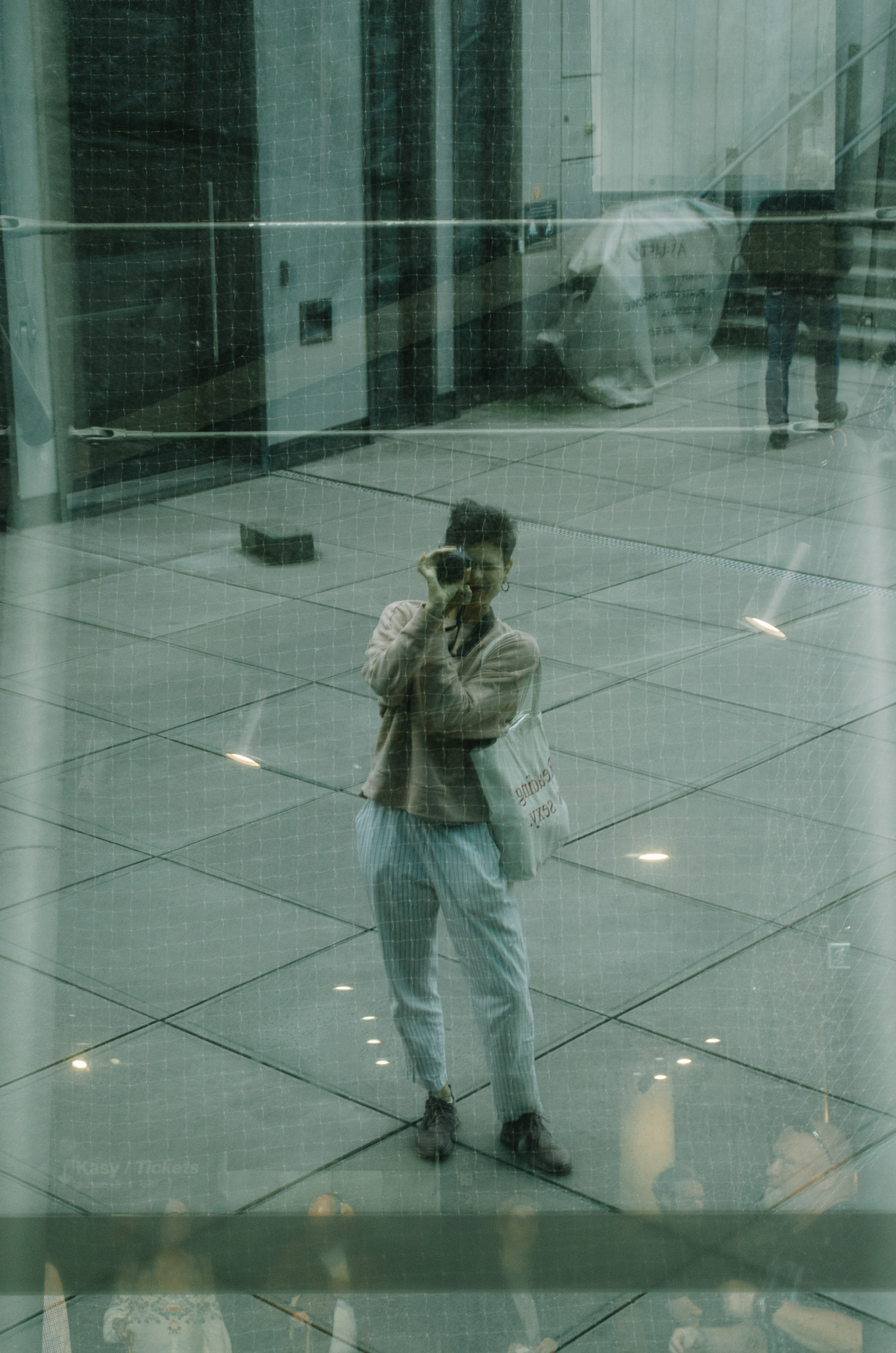
I’m still not sure what exactly pushed me to visit the Museum of the Second World War, almost four years into the war in Ukraine. Partly, I blame the rain. Partly, my friend’s enthusiastic recommendation. And partly, curiosity about the building’s interior architecture. Whatever the reason, I found myself there — crying my eyes out.
The museum is excellently curated: I loved the scenography, the selection of themes and artifacts. It’s the perfect place to learn about the war in its many dimensions, to grasp how badly Poland suffered during those atrocious years, but also to better understand Gdańsk’s unique history and what it meant to be the “Free City of Gdańsk” (I won’t spoil that part for you).
Just be warned: it’s not a light or entertaining place. But given how closely Poland’s 20th-century history is tied to WWII, the war theme here is unavoidable.




Westerplatte
Which brings me to the most somber site: Westerplatte, the place where it all began. On September 1, 1939, the German battleship Schleswig-Holstein fired on Westerplatte’s military depot, marking the start of WWII. Around 80 million victims later, after decades of reconstruction, peace treaties, and billions spent on rebuilding, here we are — doing it all over again.
Westerplatte lies by the sea, so we took a regular bus (No. 106) straight to the peninsula. Frankly, it wasn’t a pleasant ride—we were packed like sardines — but I imagine it would be a wonderful cycling trip.
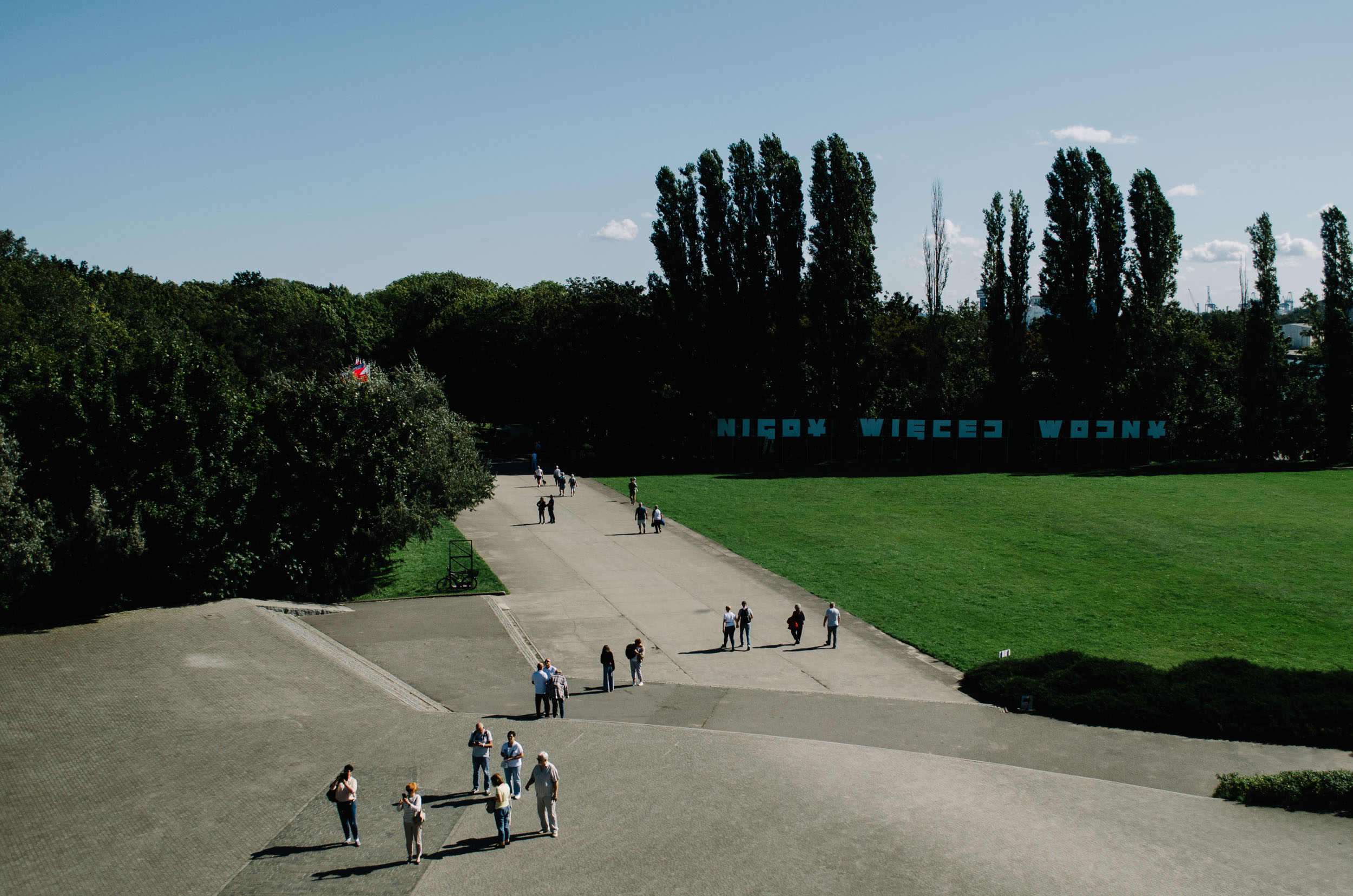
Don’t expect anything mind-blowing: it’s essentially a walk through a park, with rather limited infrastructure. To read the informational displays, we had to trudge through muddy ground soaked by rain — and that’s if we could even decipher the signs under the condensation on the glass. The views aren’t spectacular either; this is, after all, a working harbor.
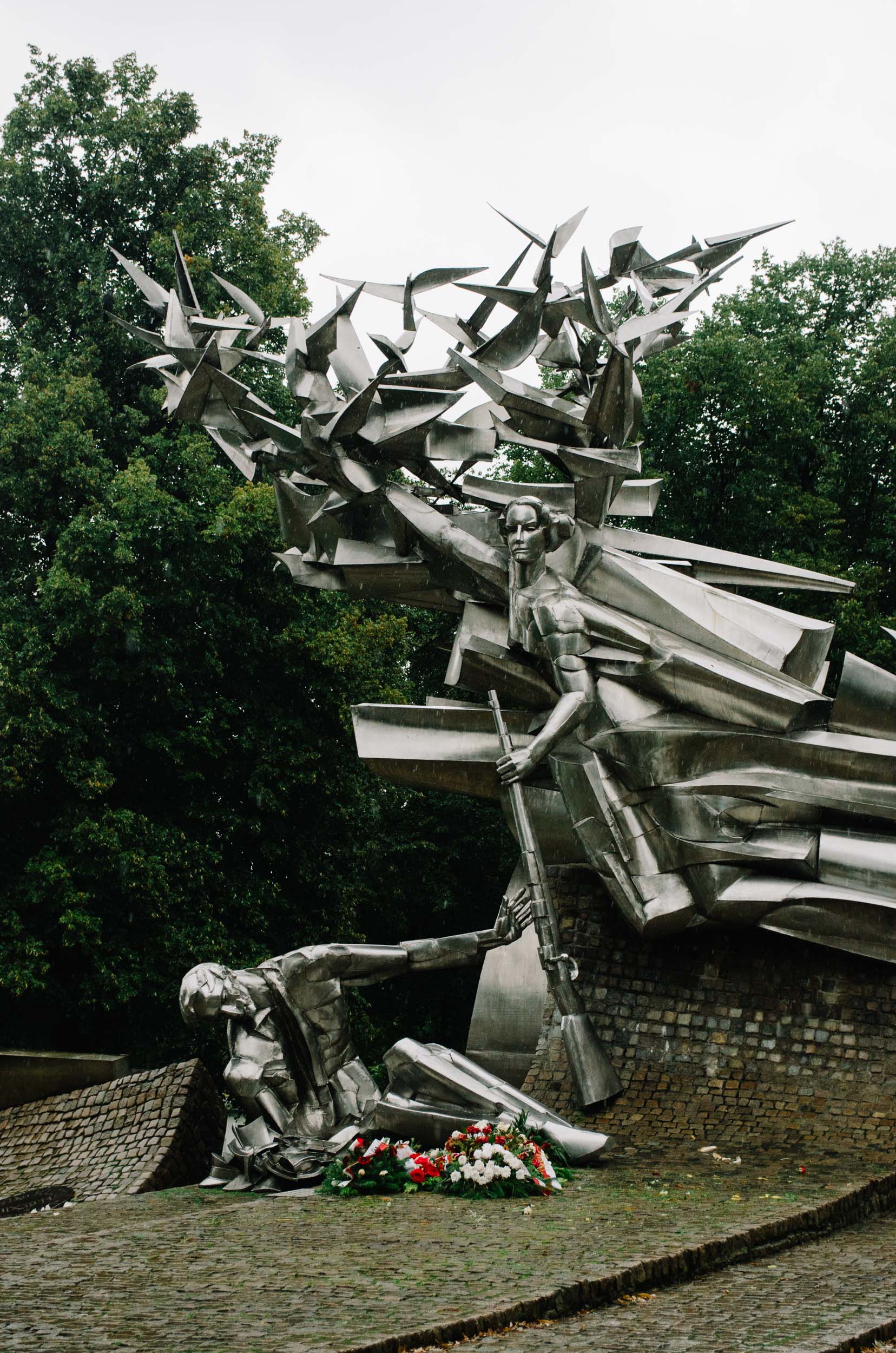
The main monument — the Monument to the Defenders of the Coast — is powerful, though. Still, I felt a wave of anger seeing how some visitors treated this tragic, historic site like just another sightseeing stop to check off. Selfies, jumping group photos… It left me uncomfortable and gloomy. The same feeling I described in my Kraków article almost a decade ago: let’s treat history with respect.


Outside Old Town
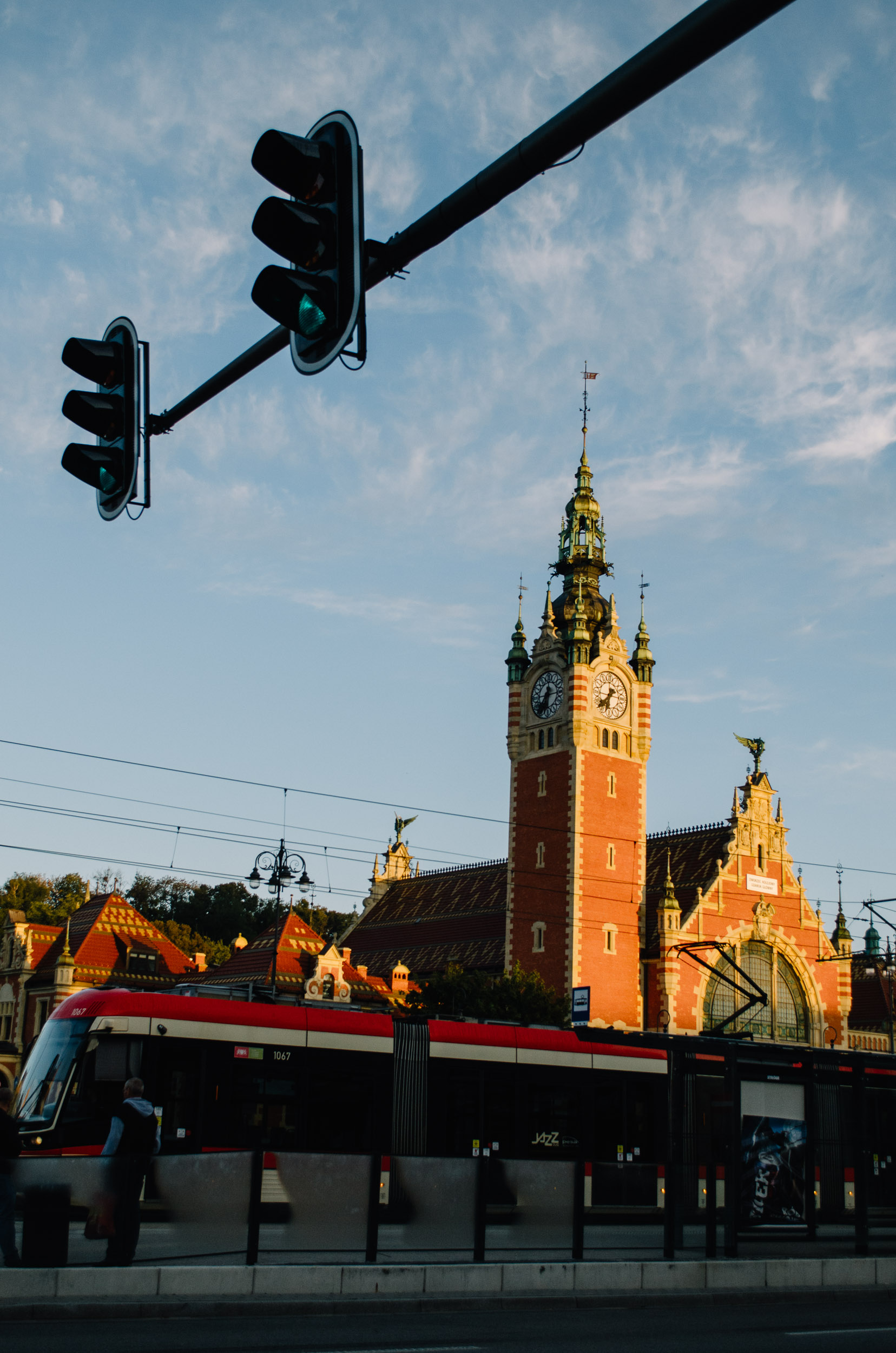
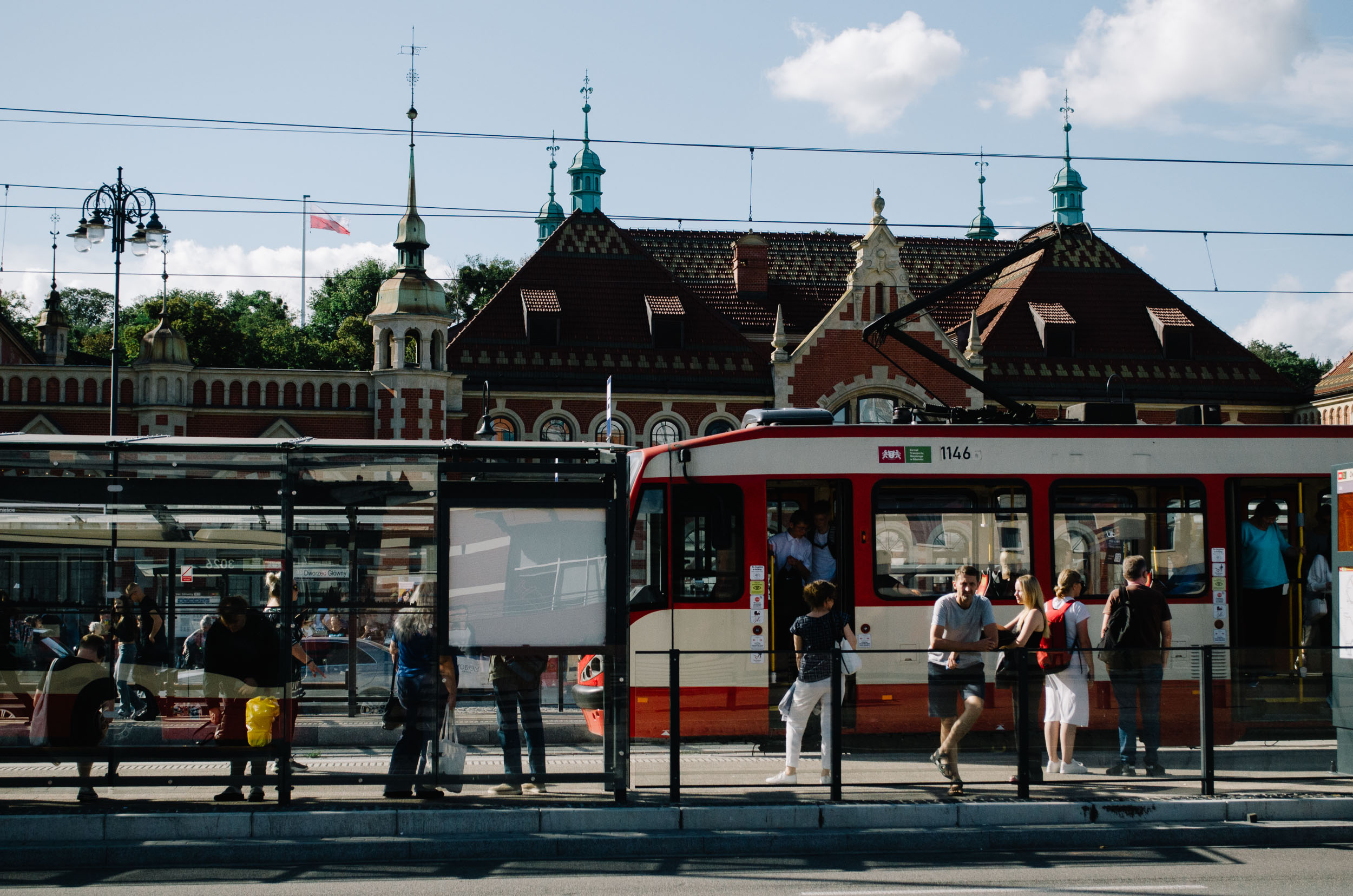
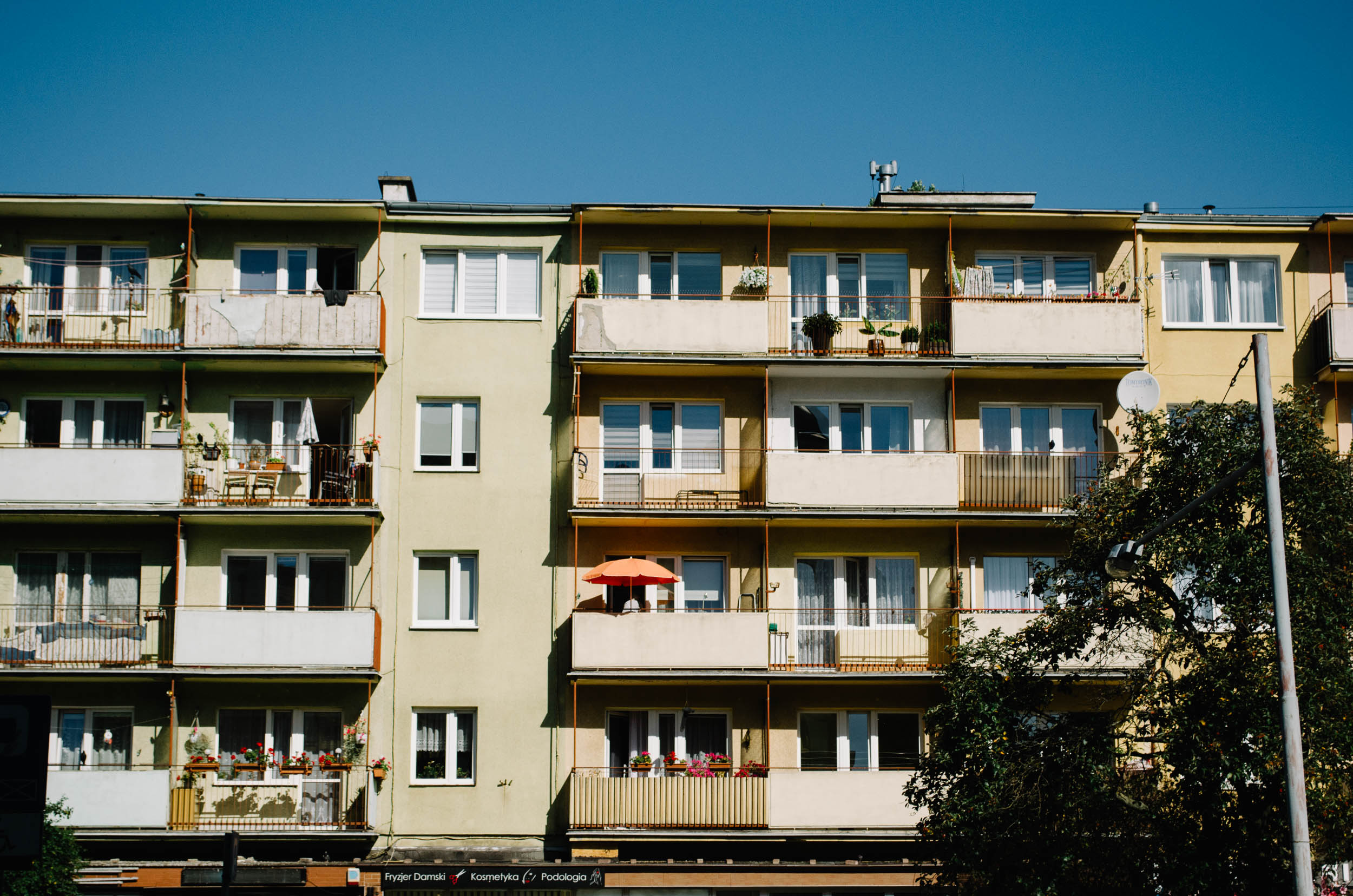
We also ventured outside the Old Town but quickly stumbled upon those famous Eastern-European blocks. I loved some of the modern architecture pieces that follow the colors and style of the brick buildings with some of that industrial style. Then we took some time to walk along the outlines of the old bastions – a peaceful albeit not too picturesque moment outside touristy streets.


Where to Eat in Gdańsk
I’ll skip accommodation, since we stayed in a small Airbnb near St. Mary’s Church that, despite its great location, was frankly awful. Straight to the food instead!
 PanKejk – perfect if you have a hungry student in tow: hearty stuffed crêpes, big portions, fair prices.
Pierogarnia Mandu – the best pierogi in town, with both traditional and creative fillings.
Kawiarnia Drukarnia – more for the atmosphere than the coffee, but I adore Ulica Mariacka, so it’s worth it.
Montownia Food Hall – food for every taste! Huge portions, good prices, and I loved the industrial vibe of the space.
A quick observation: contrary to my expectations, prices in Poland felt surprisingly high. Either they’ve risen sharply in recent years, or it’s the combined effect of inflation and the refugee wave from Ukraine. I was shocked to pay the same for a coffee here as I do in France. Hopefully this is just a tourist-area phenomenon and not the case across Poland.


Epilogue
I’m very glad I finally visited Poland not as a transit point — where my main activity is waiting for a train or a plane — but as a destination in itself. I wish we’d had time for Sopot with its beach, or Gdynia. But if I started down that road, I’d also regret not cycling here along the EuroVelo 10 (the Baltic Sea route which includes the total Polish coast). So I’ll simply say: I’m happy as it is. Finally seeing a place I had long dreamed of, and not being disappointed — it’s deeply satisfying.


Pin it!


So sad you skipped Oliwa, it’s a scenic neighborhood with a wonderful 1700s park
Hi Mike! Will note this for the next time, thanks for the recommendation :)