

October 2025
Per our tradition, once we move to a new place, we start a meticulous exploration of the “hood” — the Baltic countries during our Estonian period, extensive England travelling during our UK period, Normandie, Occitanie, and now it’s Ukraine’s turn. And the first country we visit together is Moldova! To be completely fair, there is a very prosaic reason for this — we needed to get our car with foreign plates out of the country, an annual formality, but isn’t it an amazing opportunity to turn it into an autumn road trip? All the more so with our Robbie the van bored and craving some action?
I was dying to go to Romania but, all things considered, it will be the next destination, and for now we’ll start with something smaller. Moldova it is! Purists would also say that Moldova’s independence is just a historical hiccup that will soon be repaired, as historically it had “always” been one of the Romanian regions. It’s not my place to comment on this, but it looks like the Moldovan population generally agrees with this vision. Moreover, a good third of its population has dual nationality, which helps explain the large migration of young people to the EU.

However, here we are — crossing the border between the Ukrainian Mohyliv-Podilsky and Moldova. So far in my life, all border crossings to or from Ukraine have been a nightmare, but this one was the easiest and the fastest — a good thing to know.
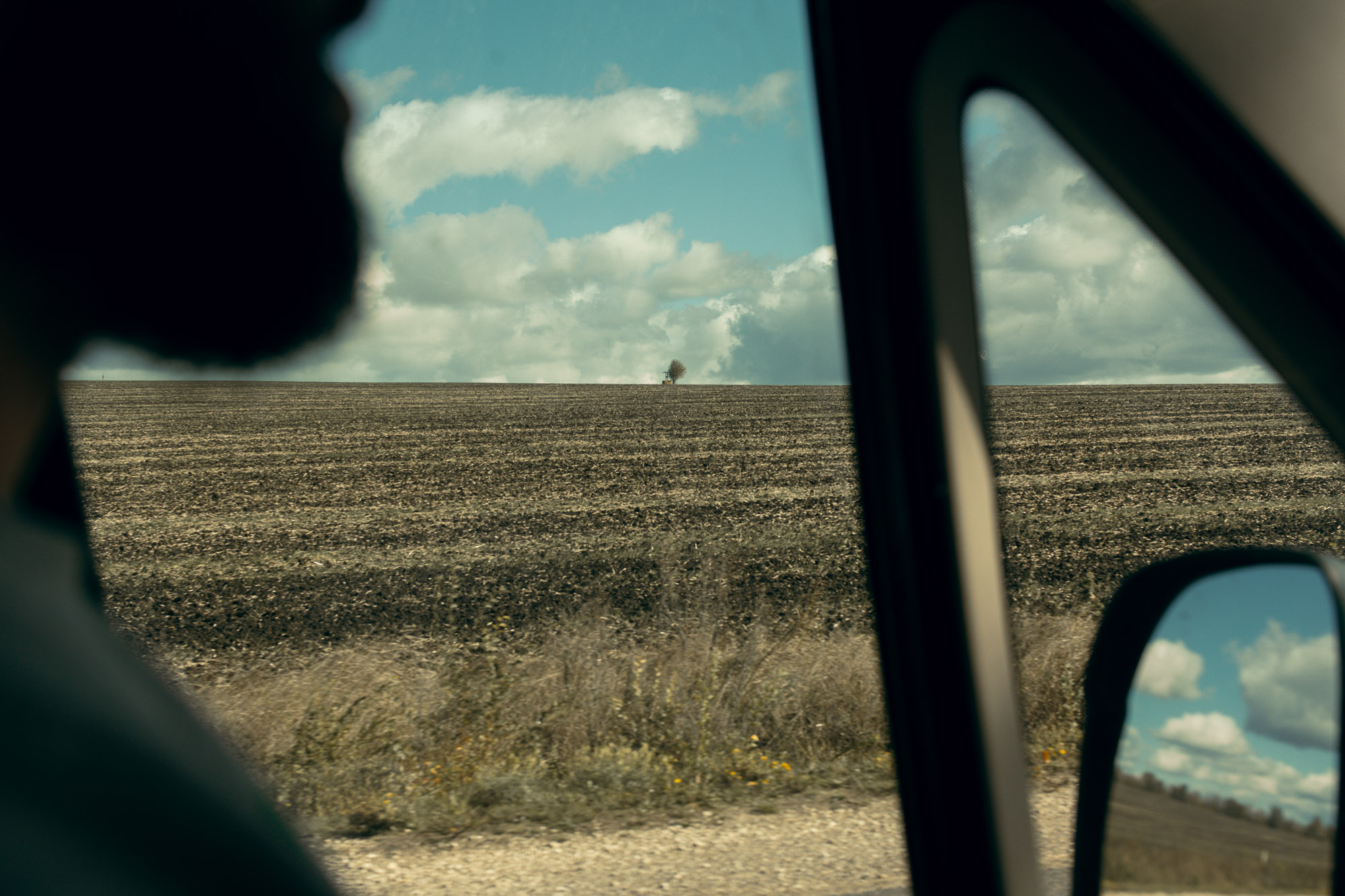
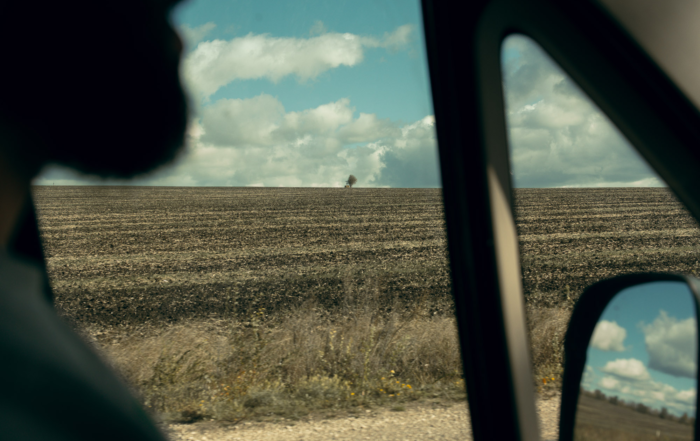
The best thing about this trip is that, unlike our previous road trips, there was no list of things to do or to see — something that we’ll have to get used to in our travels in Ukraine too. It offers a wholly new dynamic, as if we are letting things come to us themselves instead of actively searching for them. Anyway, being back on the road and crossing the landscapes in our faithful Robbie felt incredibly good.
Soroca
The first stop in Moldova was the town of Soroca.
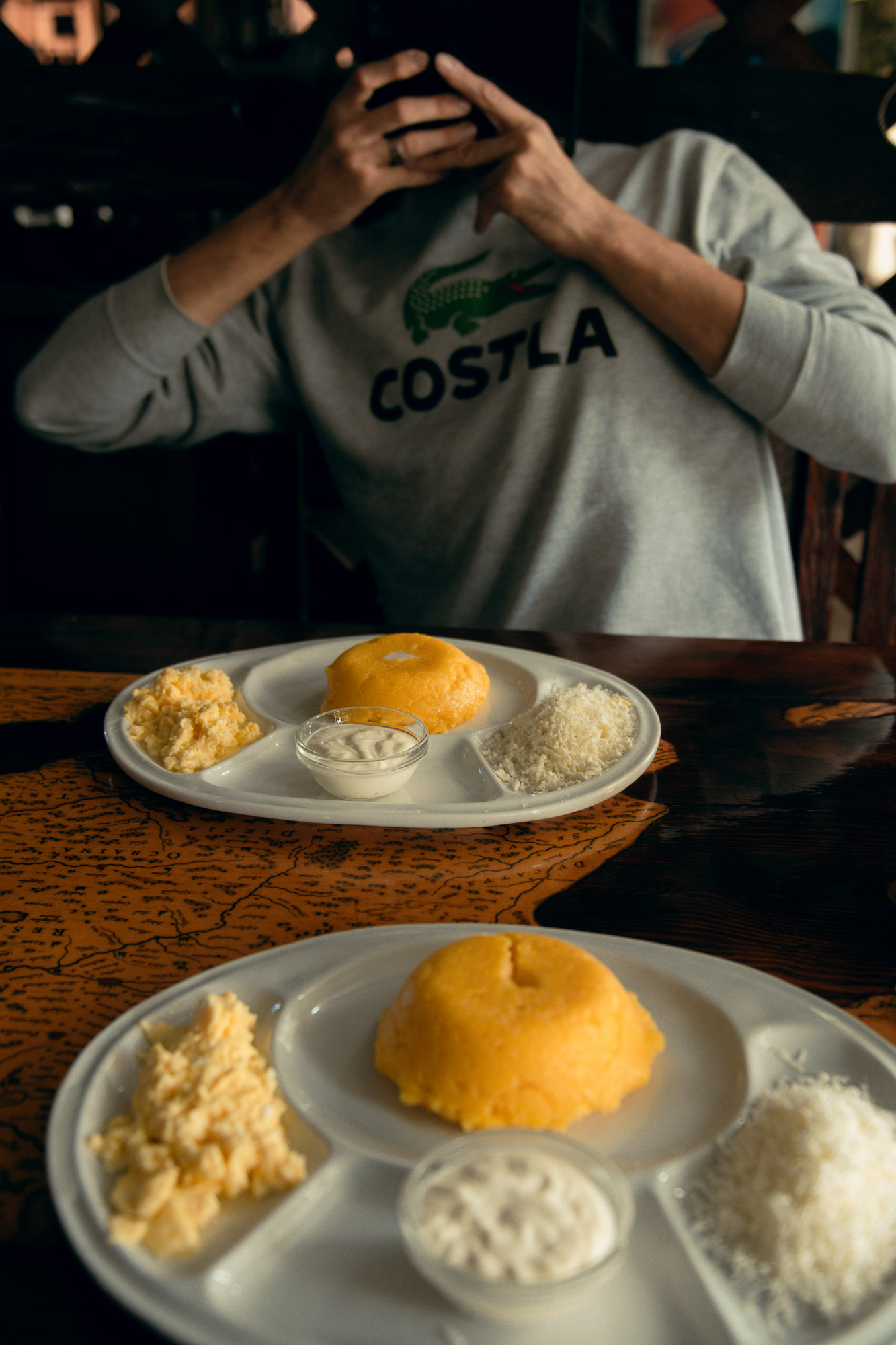
Here we had our first mamalyga — the typical Moldovan meal based on maize flour. Now, as I write this, I realise that there was a list of things to do in Moldova after all! We also took some time to visit the castle of Soroca, and the thing I found the most curious was seeing Ukraine literally within a stone’s throw and knowing that across the river things are… well, bad. The castle was cool though.
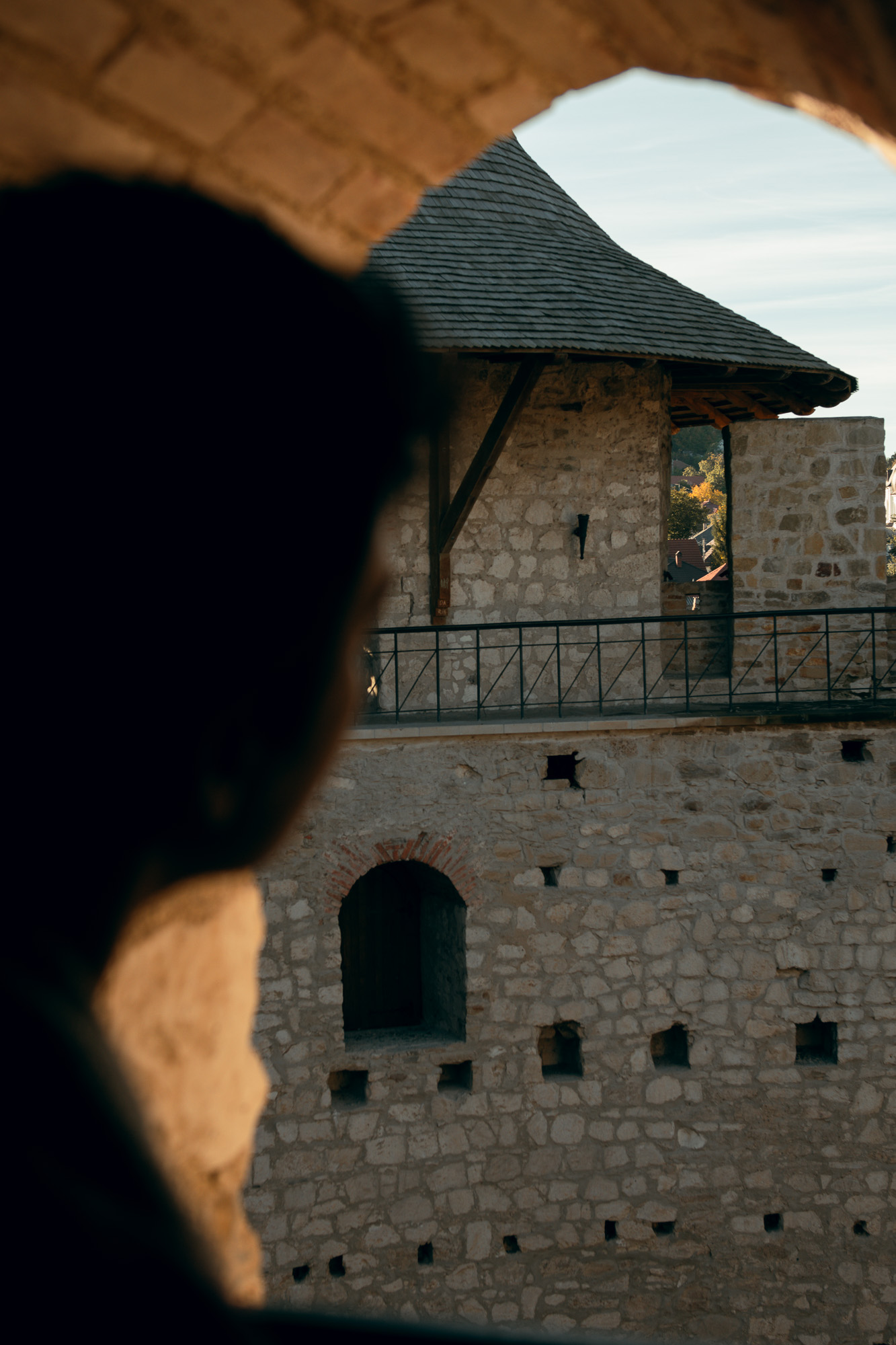

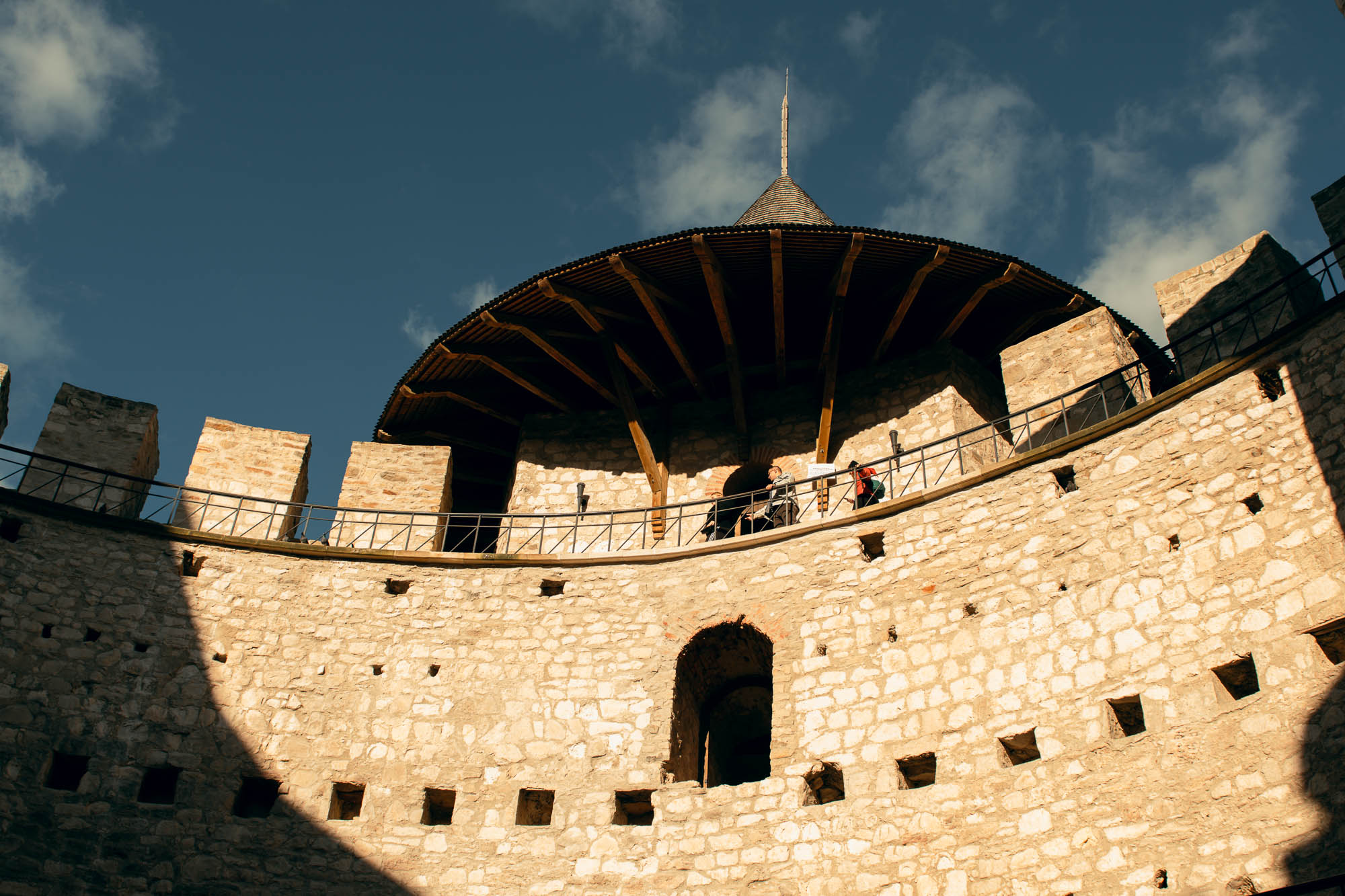
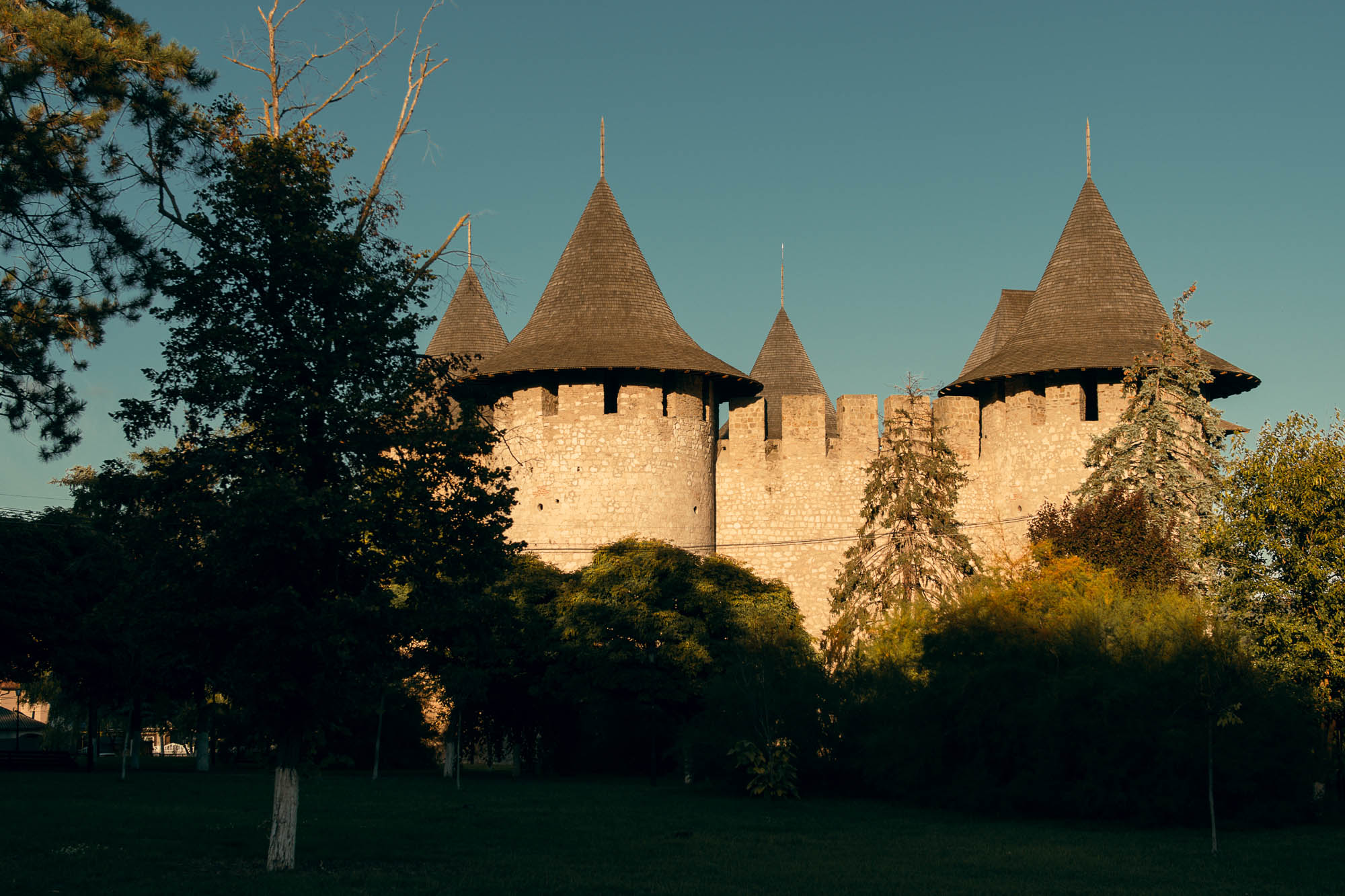
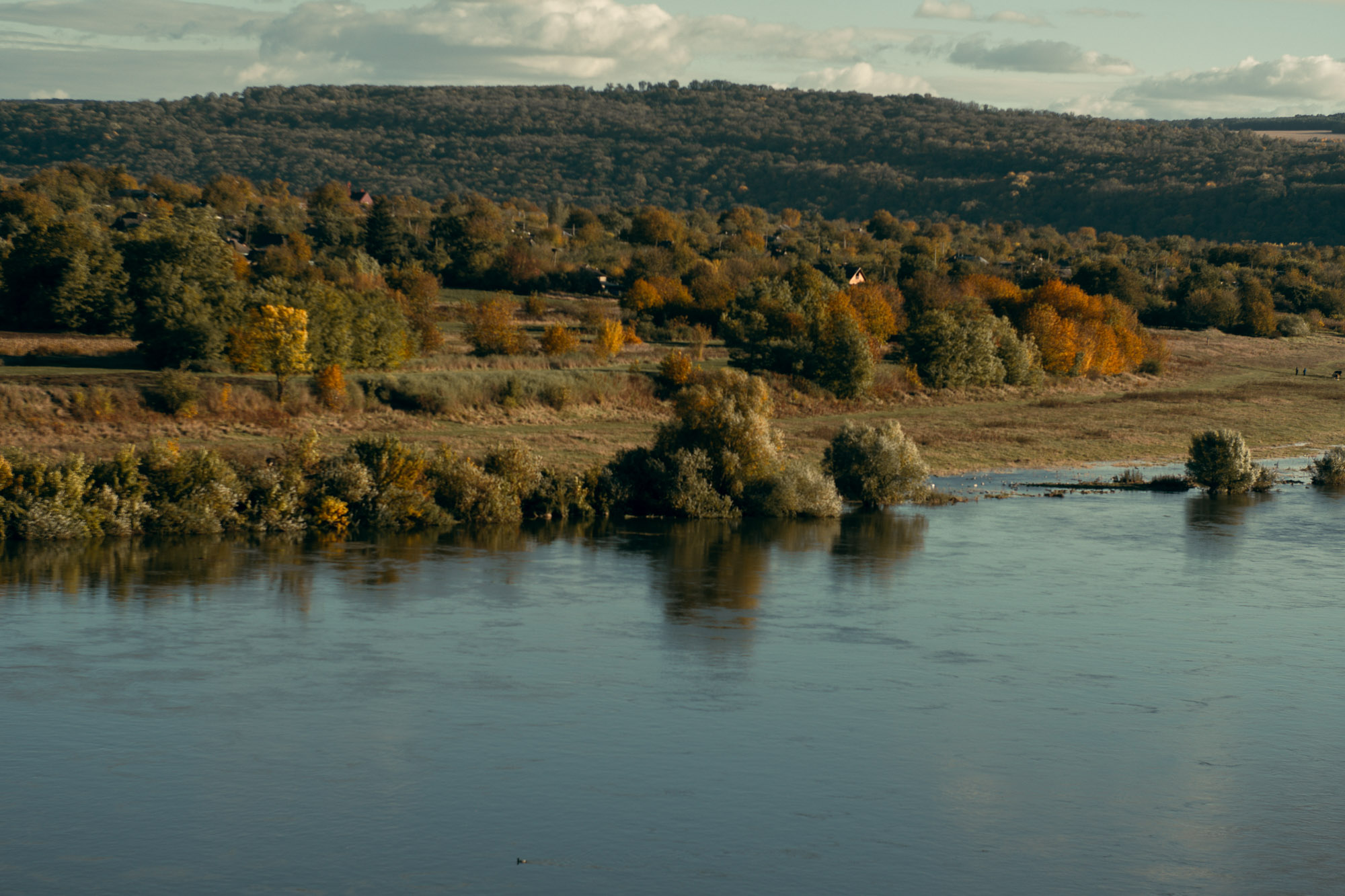
Ukraine from the other side
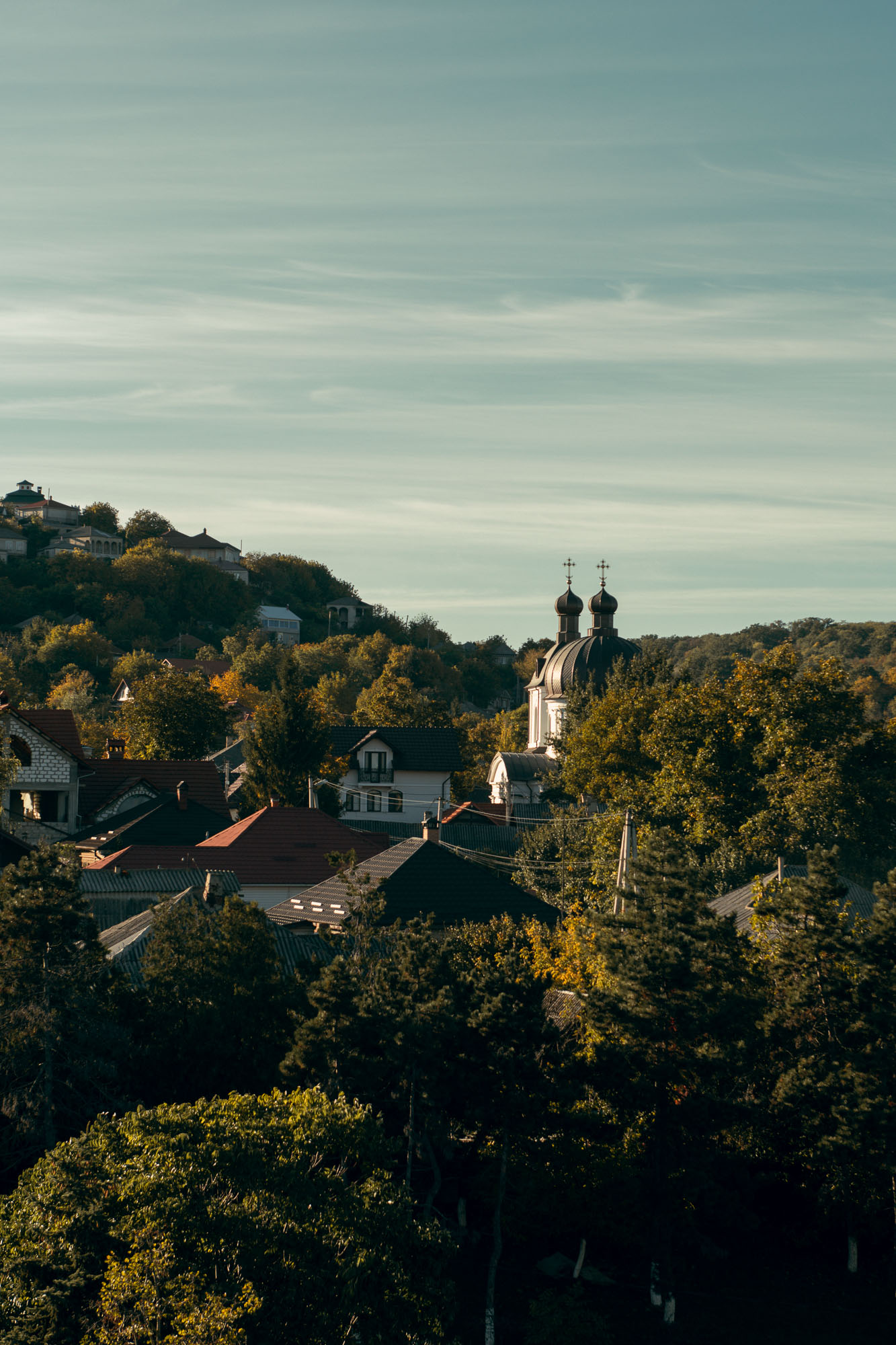
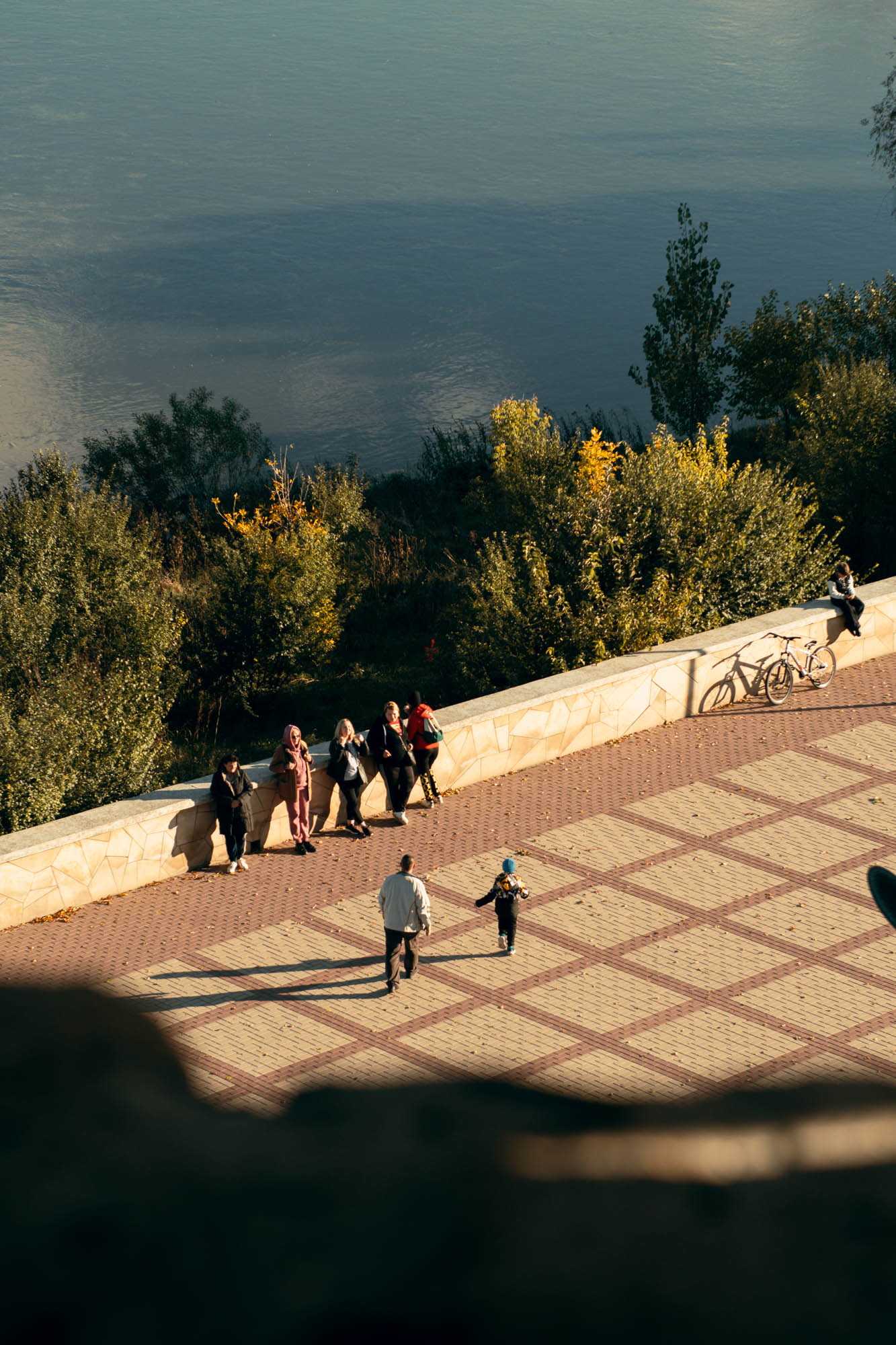
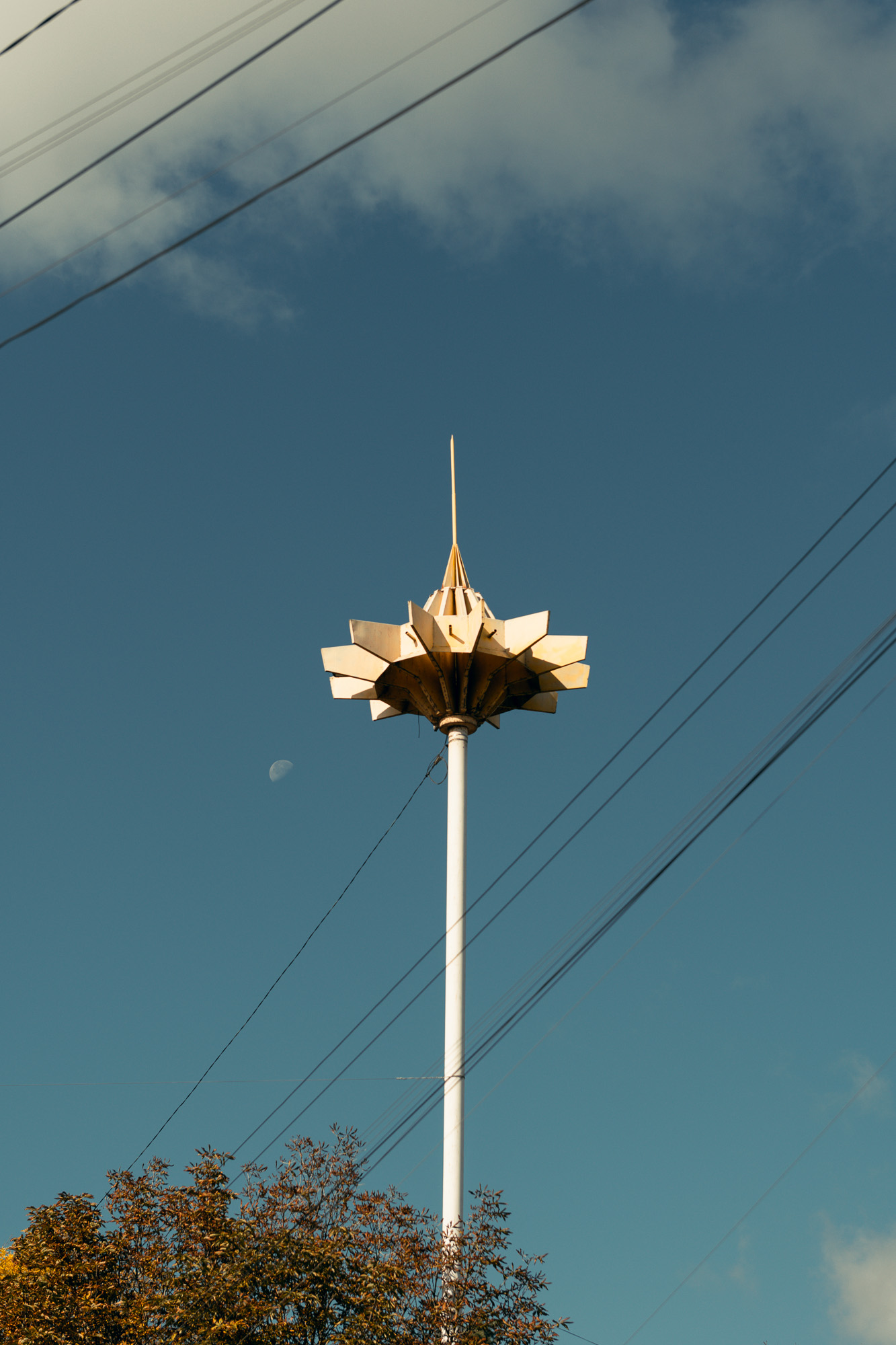
Soroca is also known as the “Gypsy Capital” due to its high population of Romani people, although it was something we learned much later. We crossed their neighborhood called, ehm, “Gypsy Hill”, and now I regret not making a stop to have a closer look at the peculiar architecture of the local houses. An interesting combination of pseudo-Greek statues, fake gold, cheap materials, and a strong outward luxury with no real value behind it — in Ukraine we have quite a lot of this style (commonly called caprom — capitalist romanticism), but these manors took things to a whole different level. The biggest part of these houses remains unfinished, which adds a somewhat creepy touch to it all.

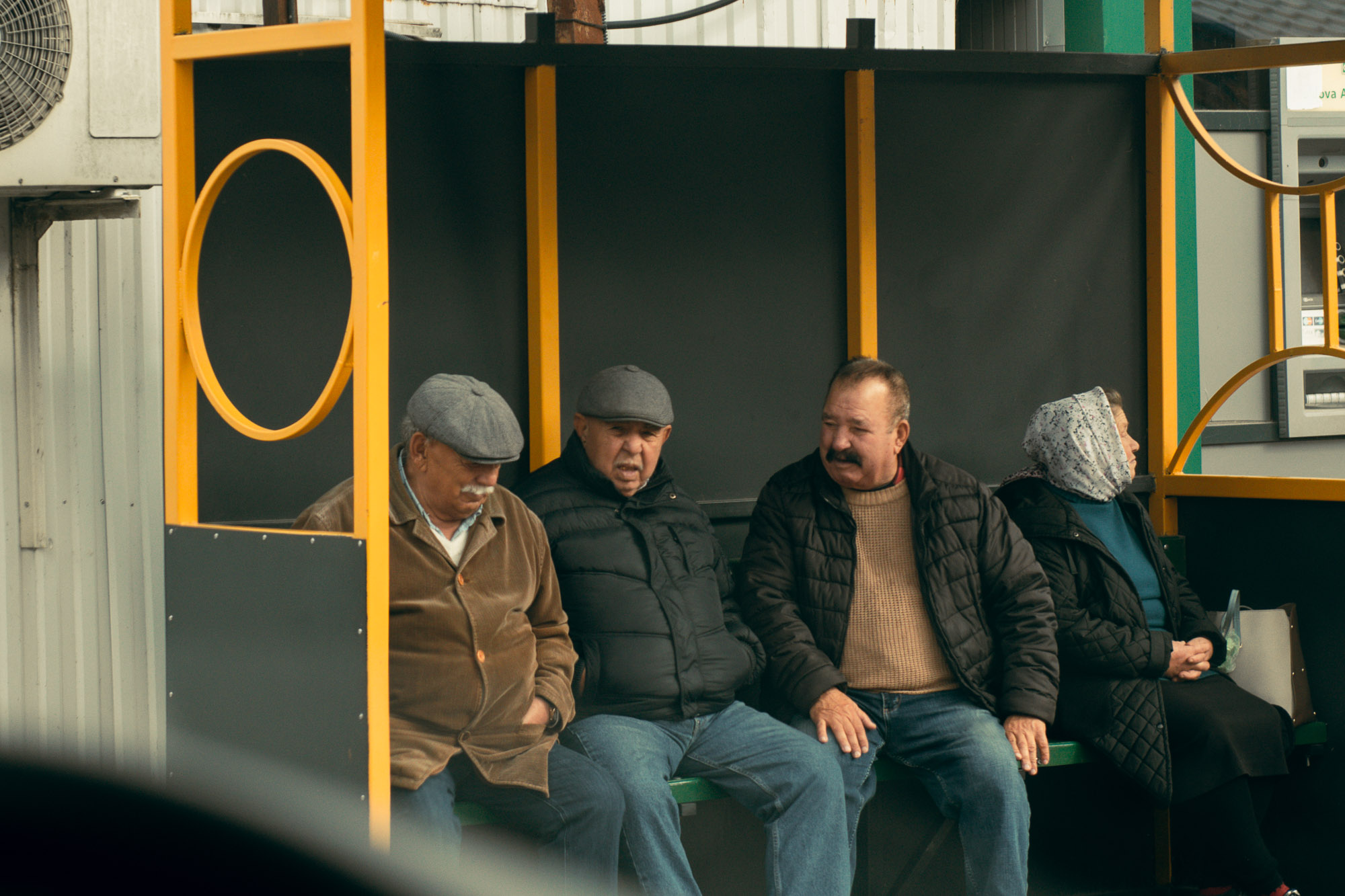
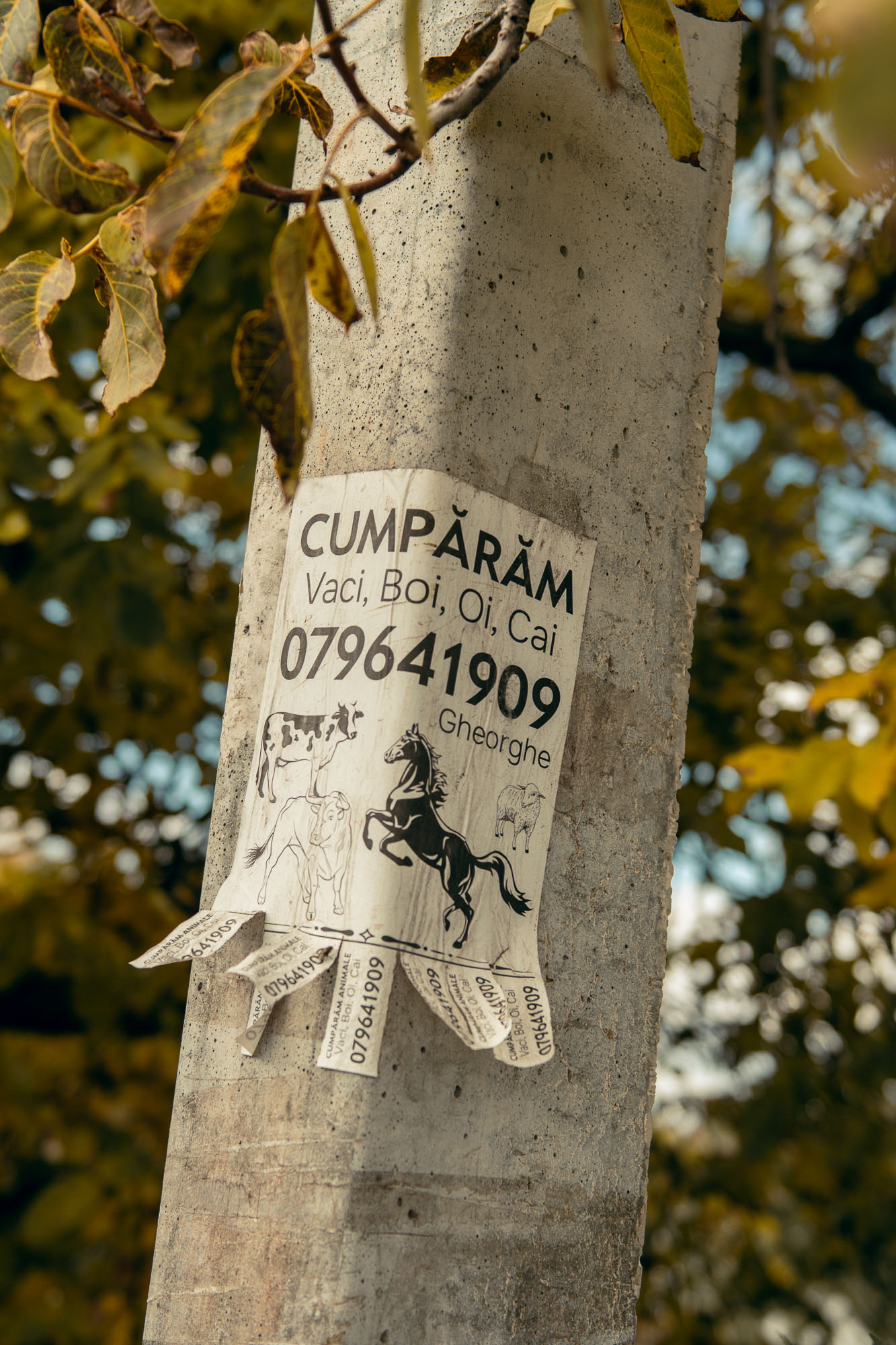
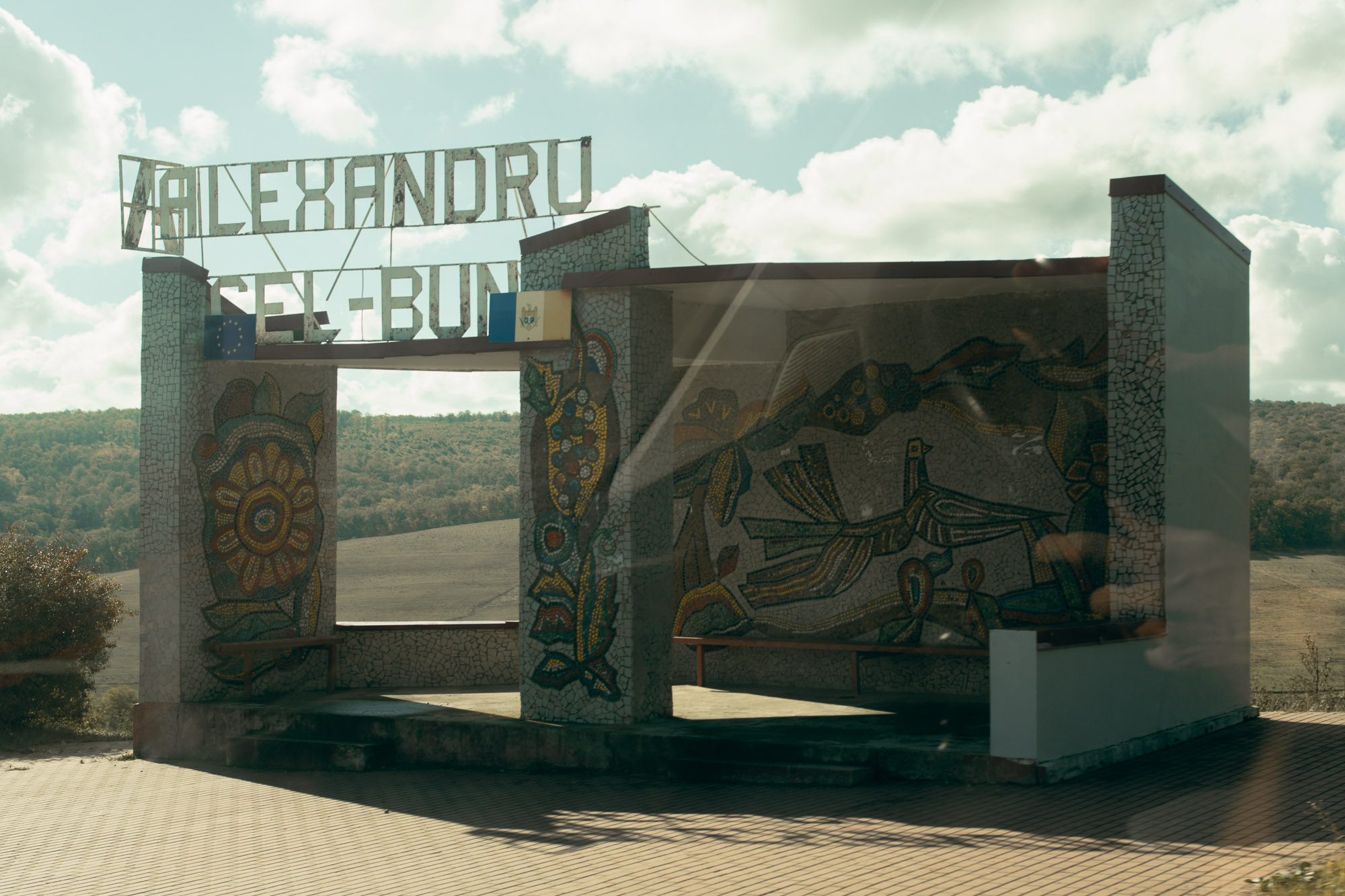
Moldova has sooo many bus stops with amazing mosaics!
Orheiul Vechi
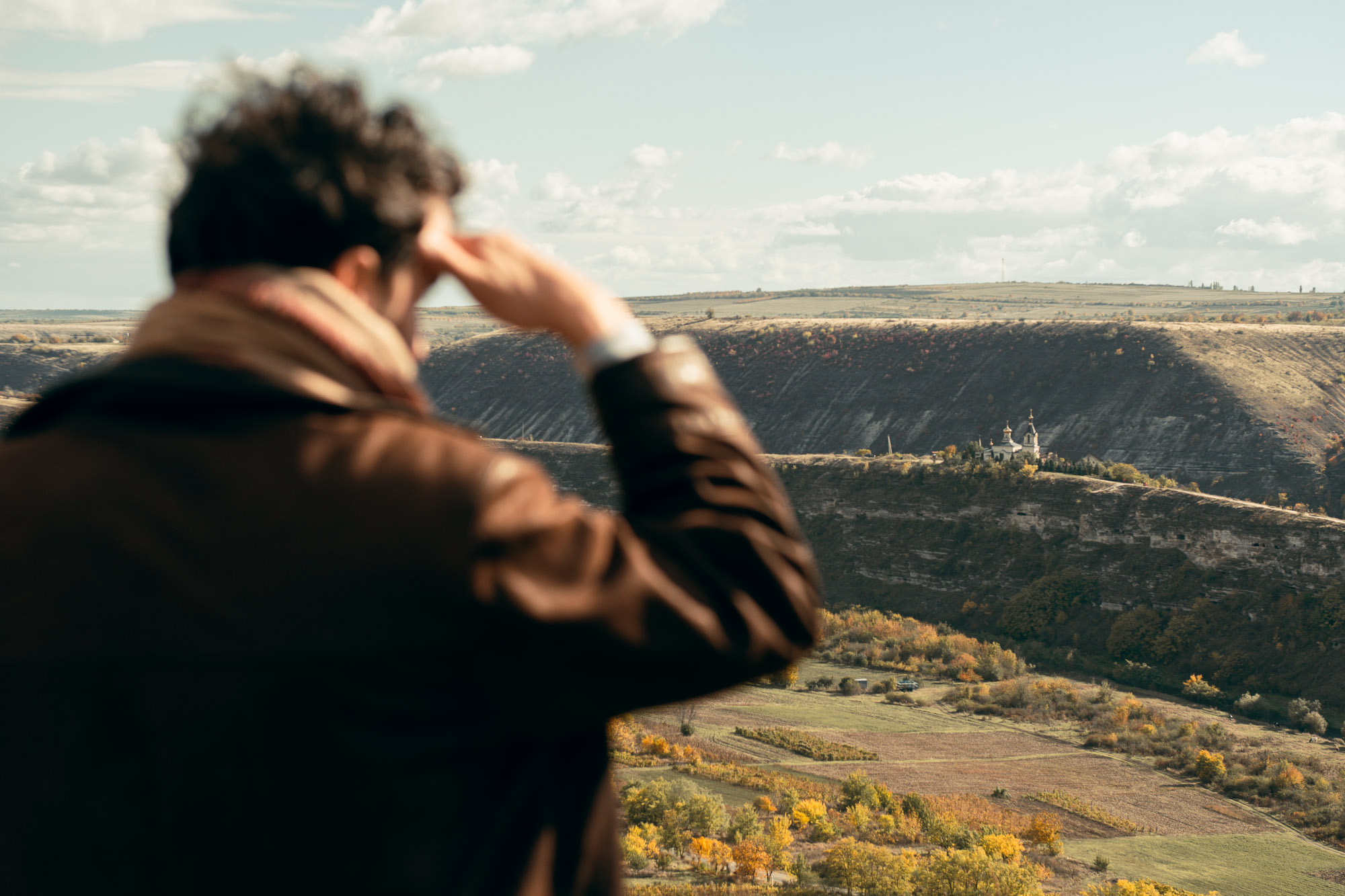
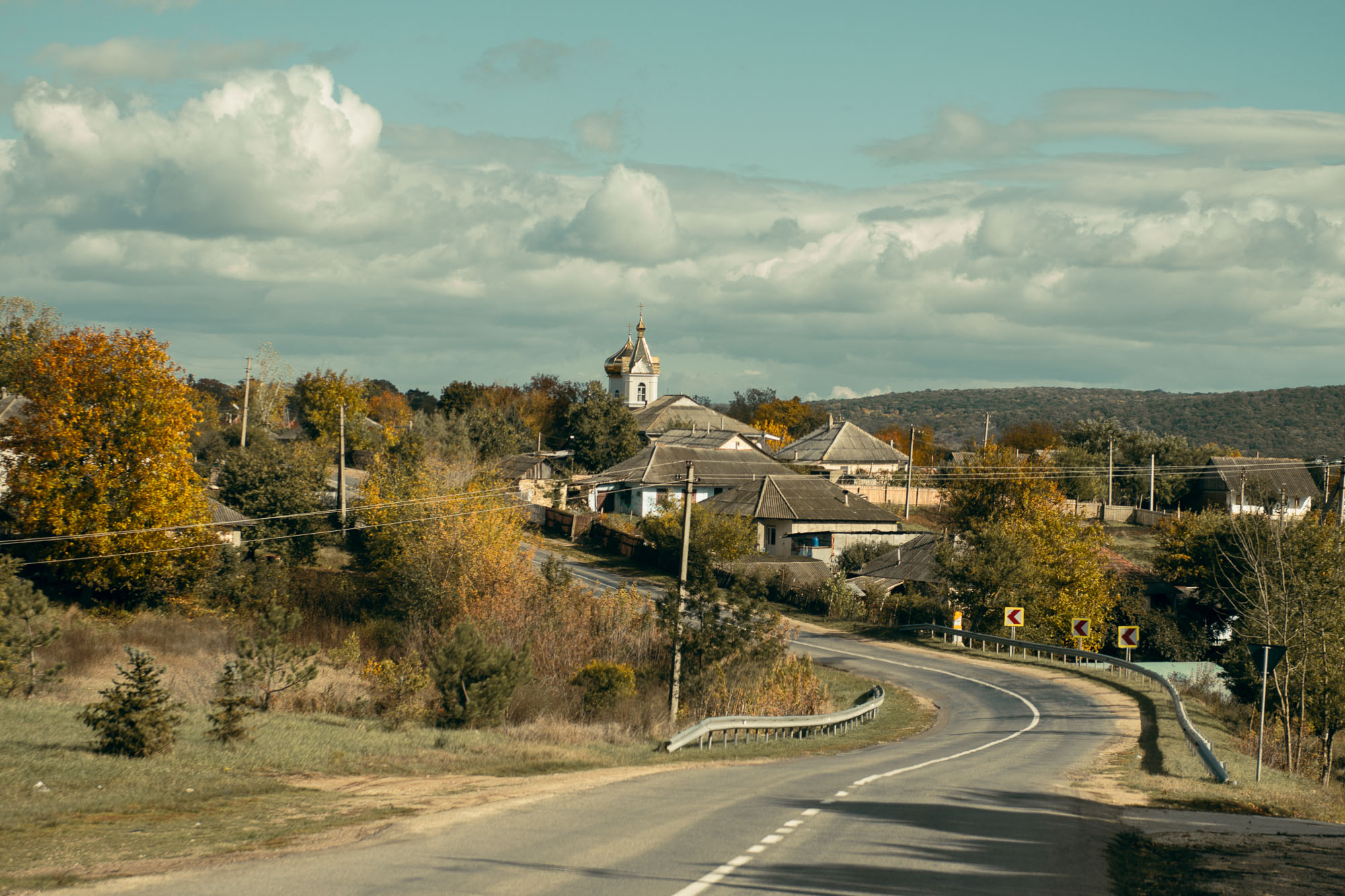
Apparently, we were incredibly lucky with the weather, according to the fellow travelers we met in Soroca, and I couldn’t have been happier about it on the day we went to Orheiul Vechi. Orheiul Vechi is a natural and historical landmark that reflects traces from multiple periods, from ancient Dacian settlements to medieval monasteries. It is located in a stunning spot overlooking the Răut River and the surrounding canyon.
We left the car in the designated parking area and walked to the Cave Monastery perched on the cliff — it wasn’t crowded, but Orheiul Vechi is clearly a must-visit for both tourists and locals.
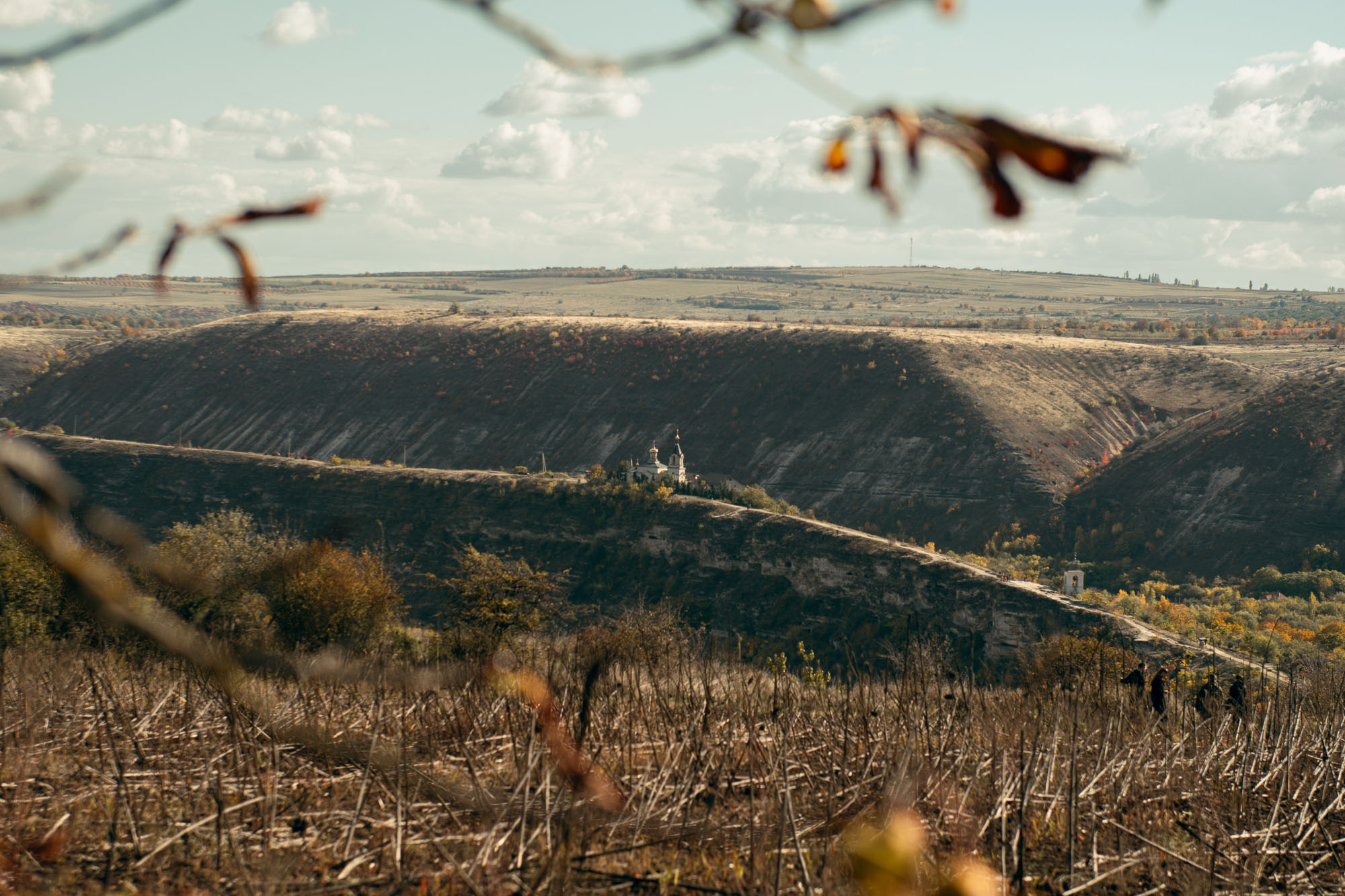

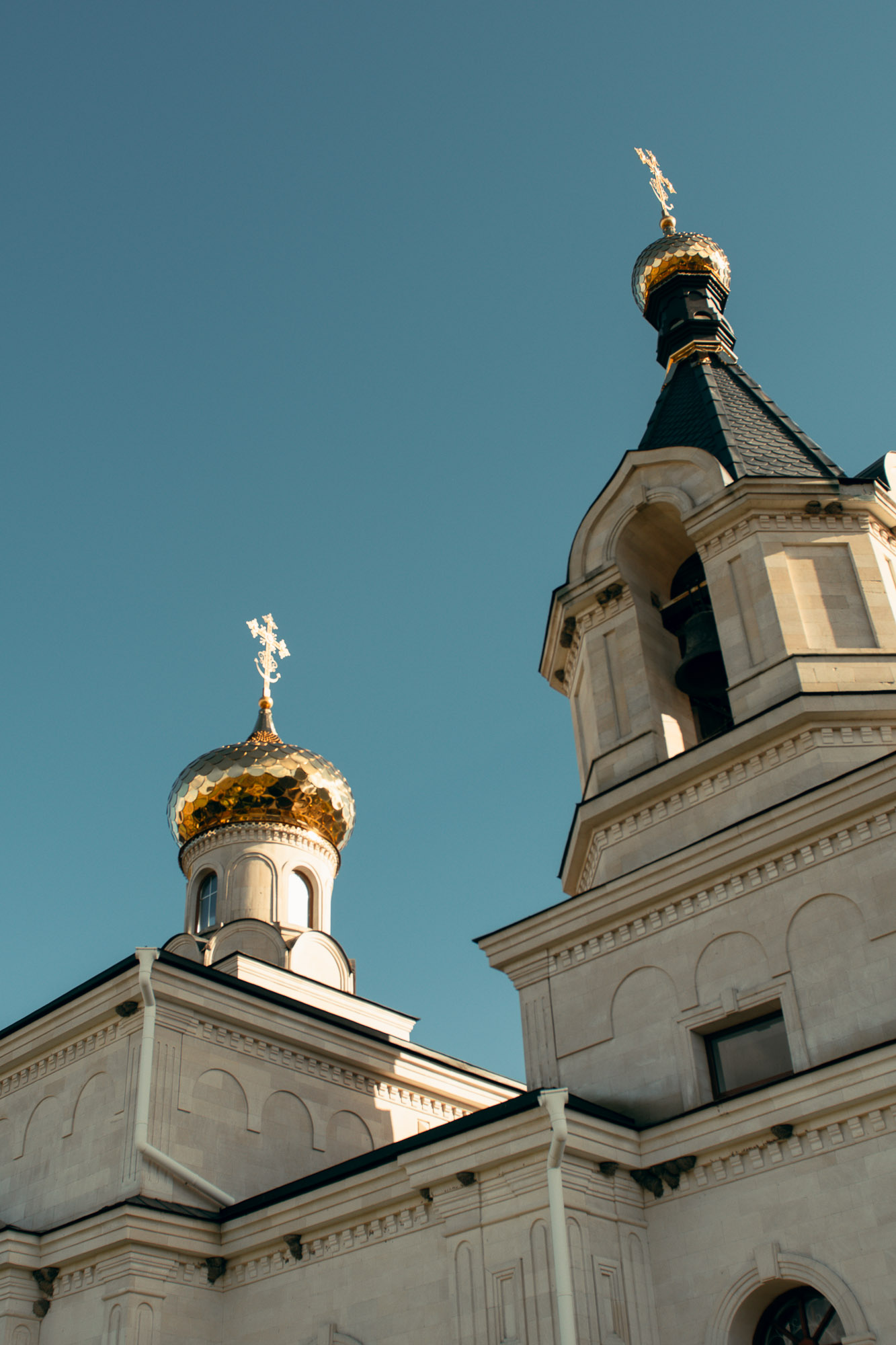
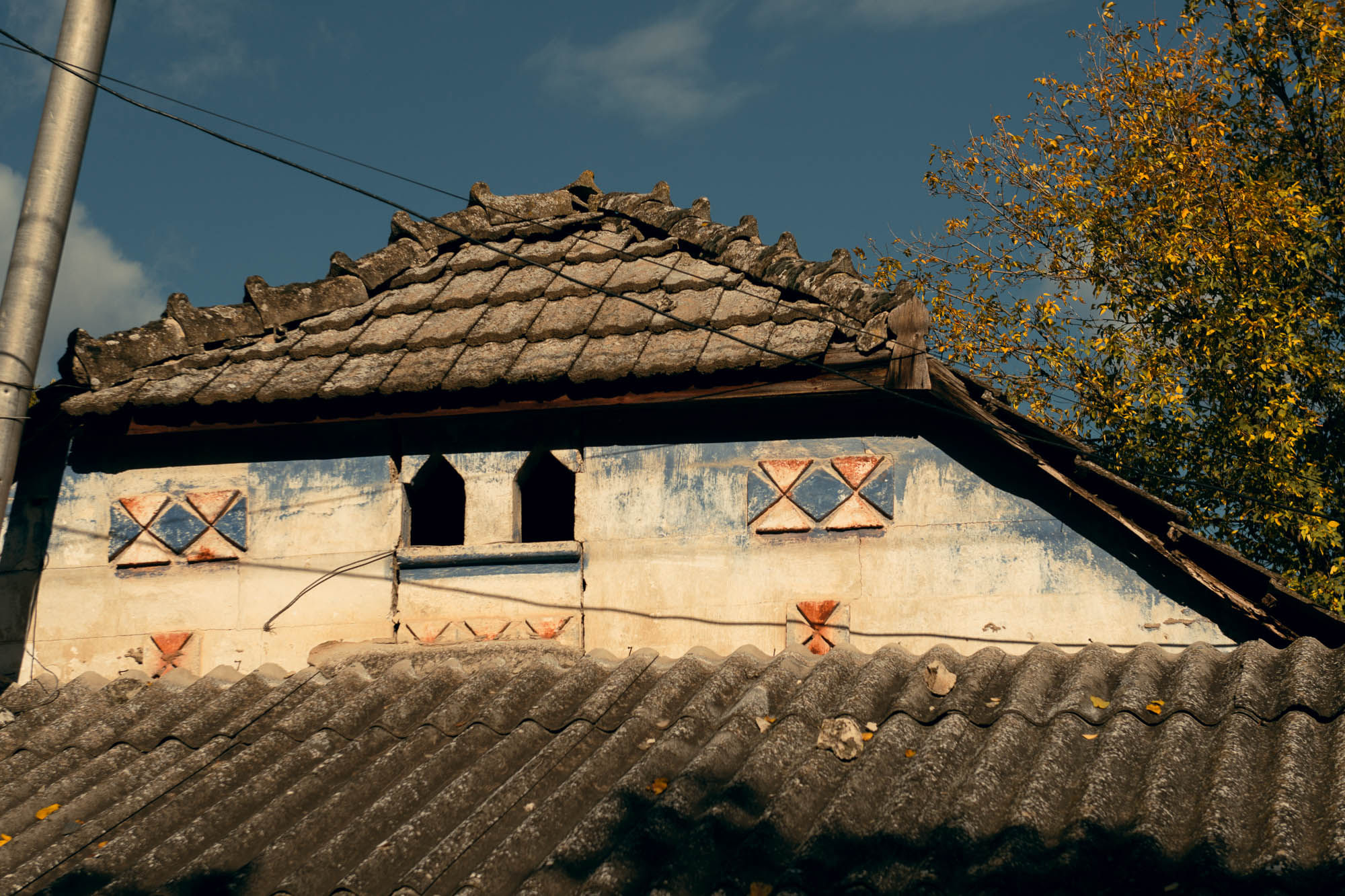
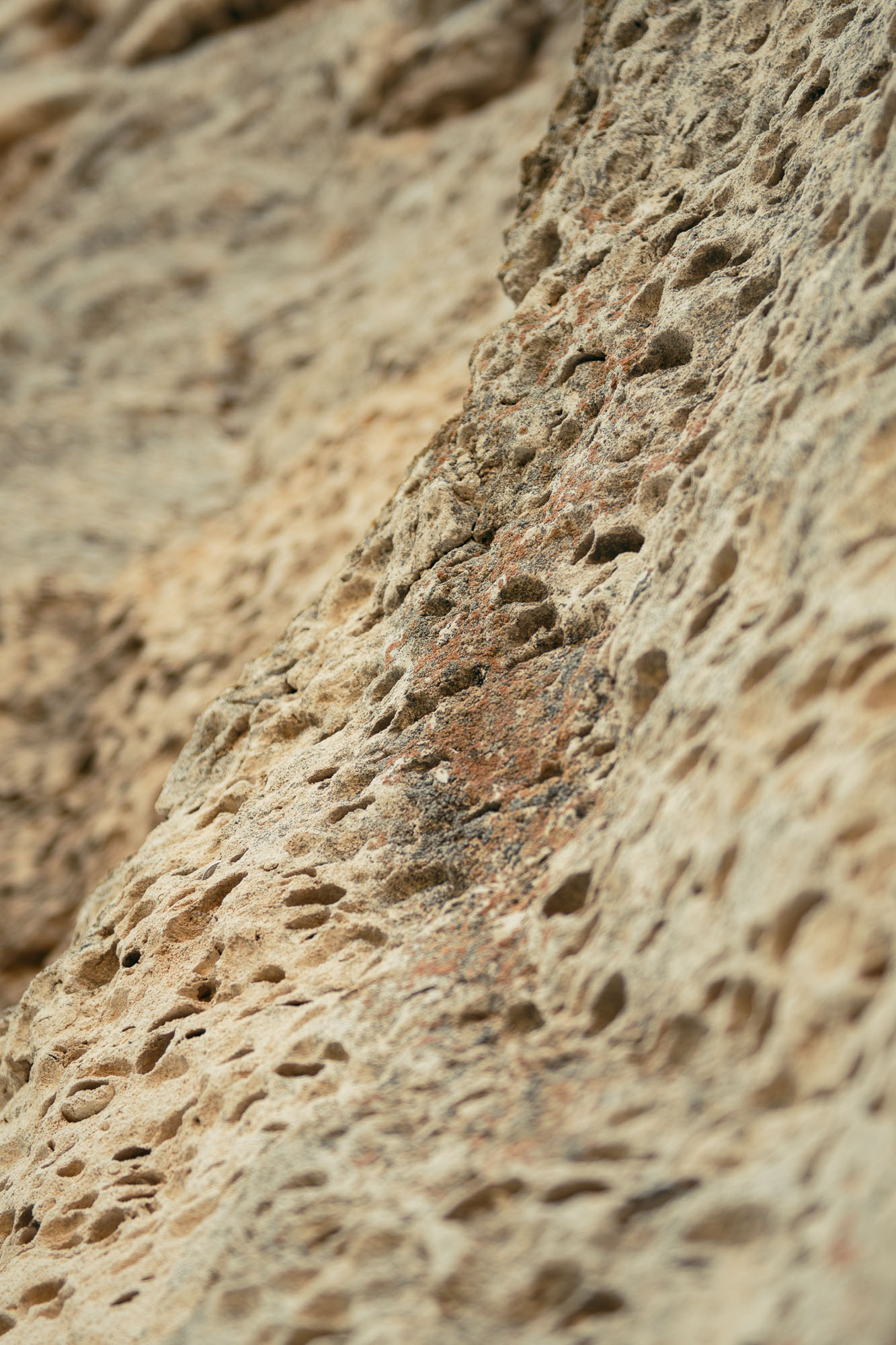
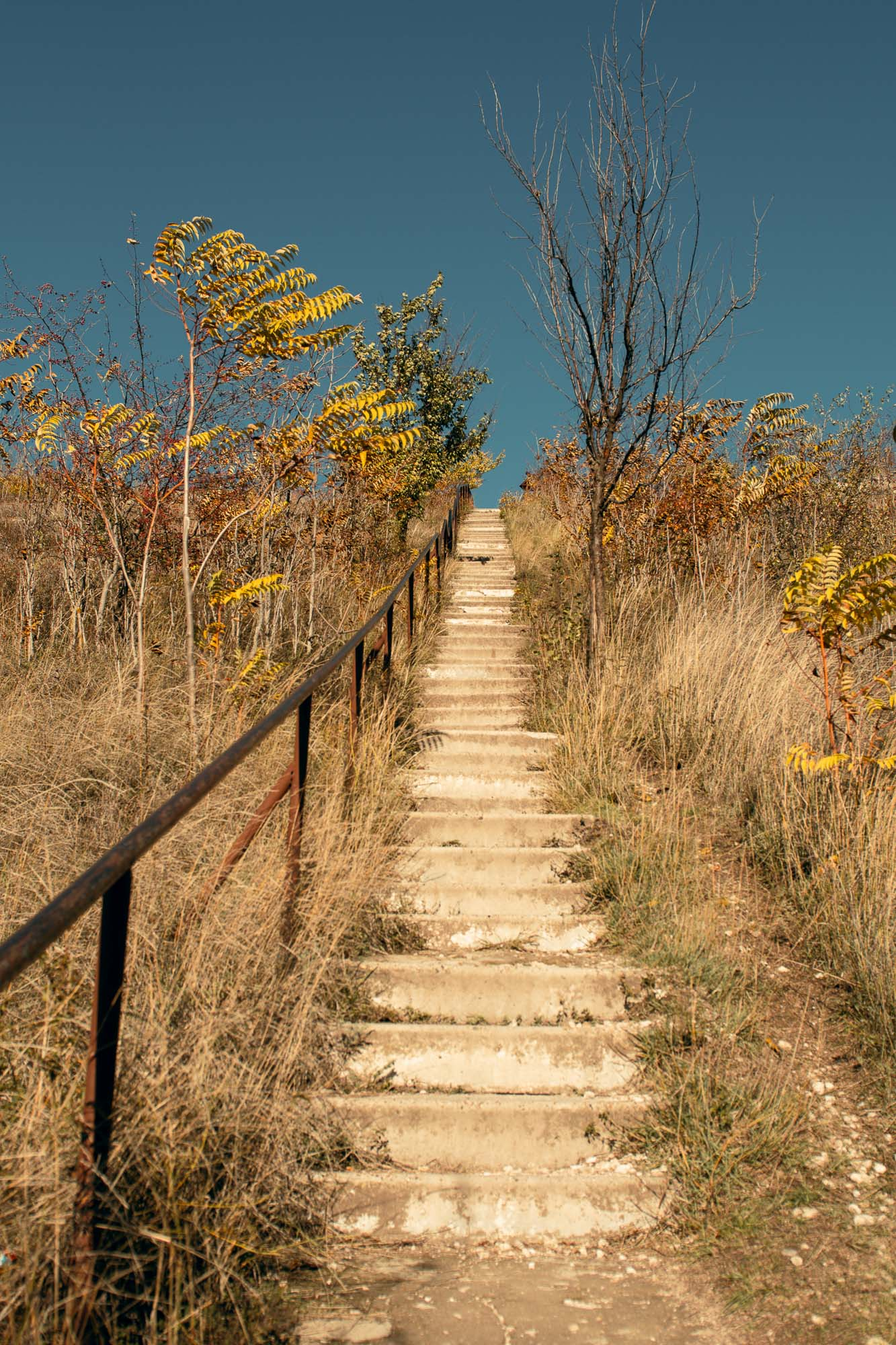
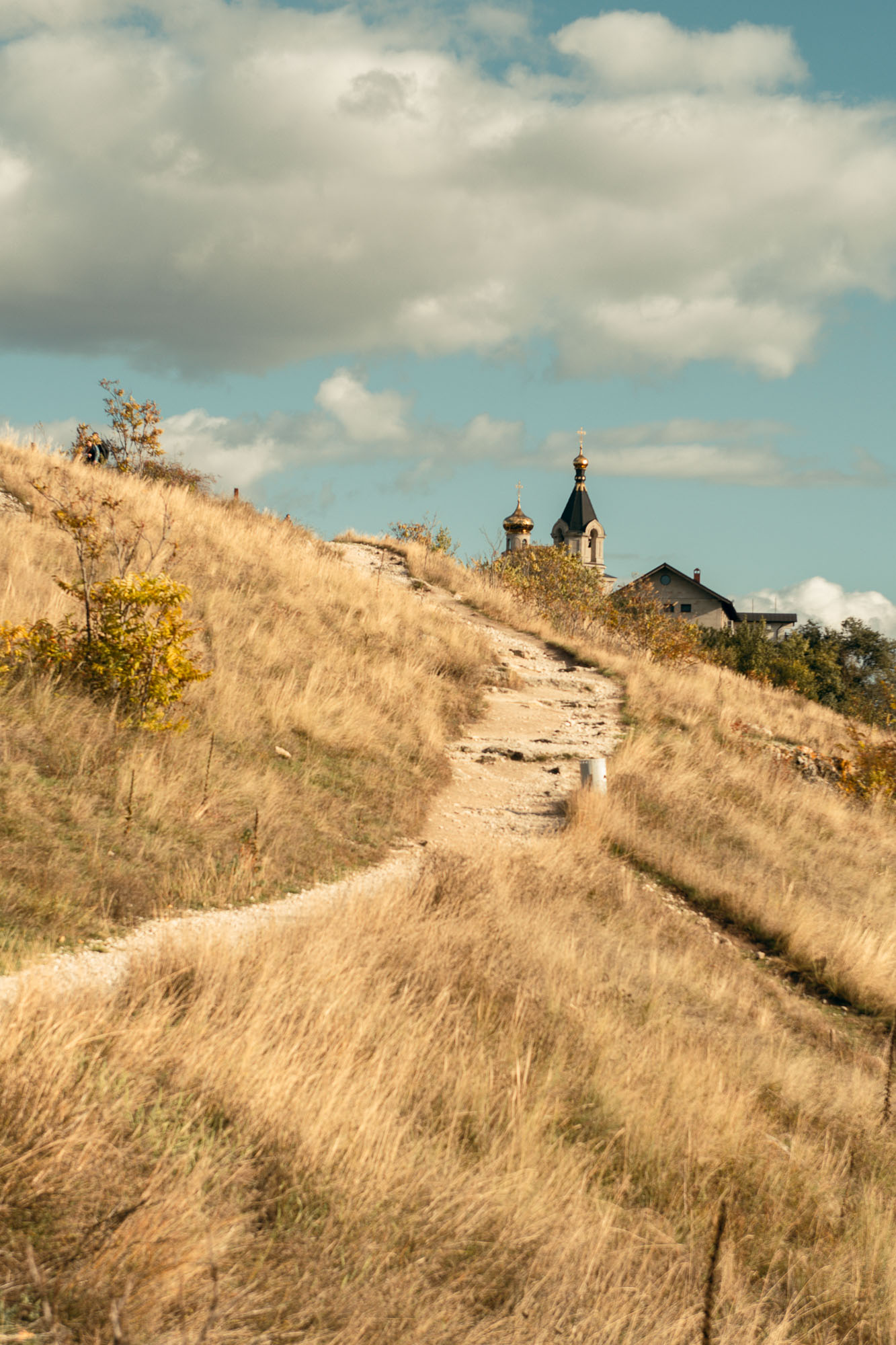
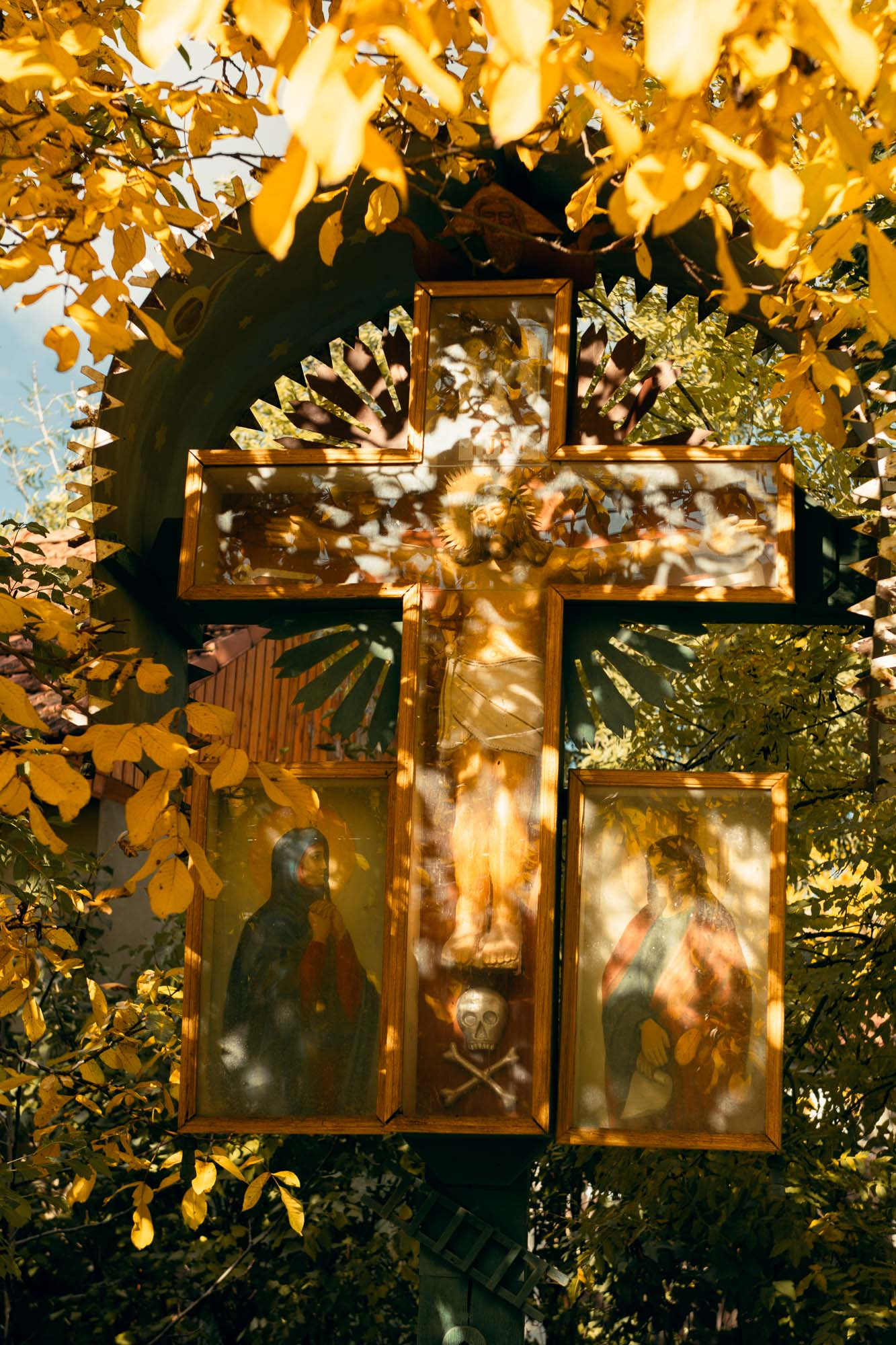
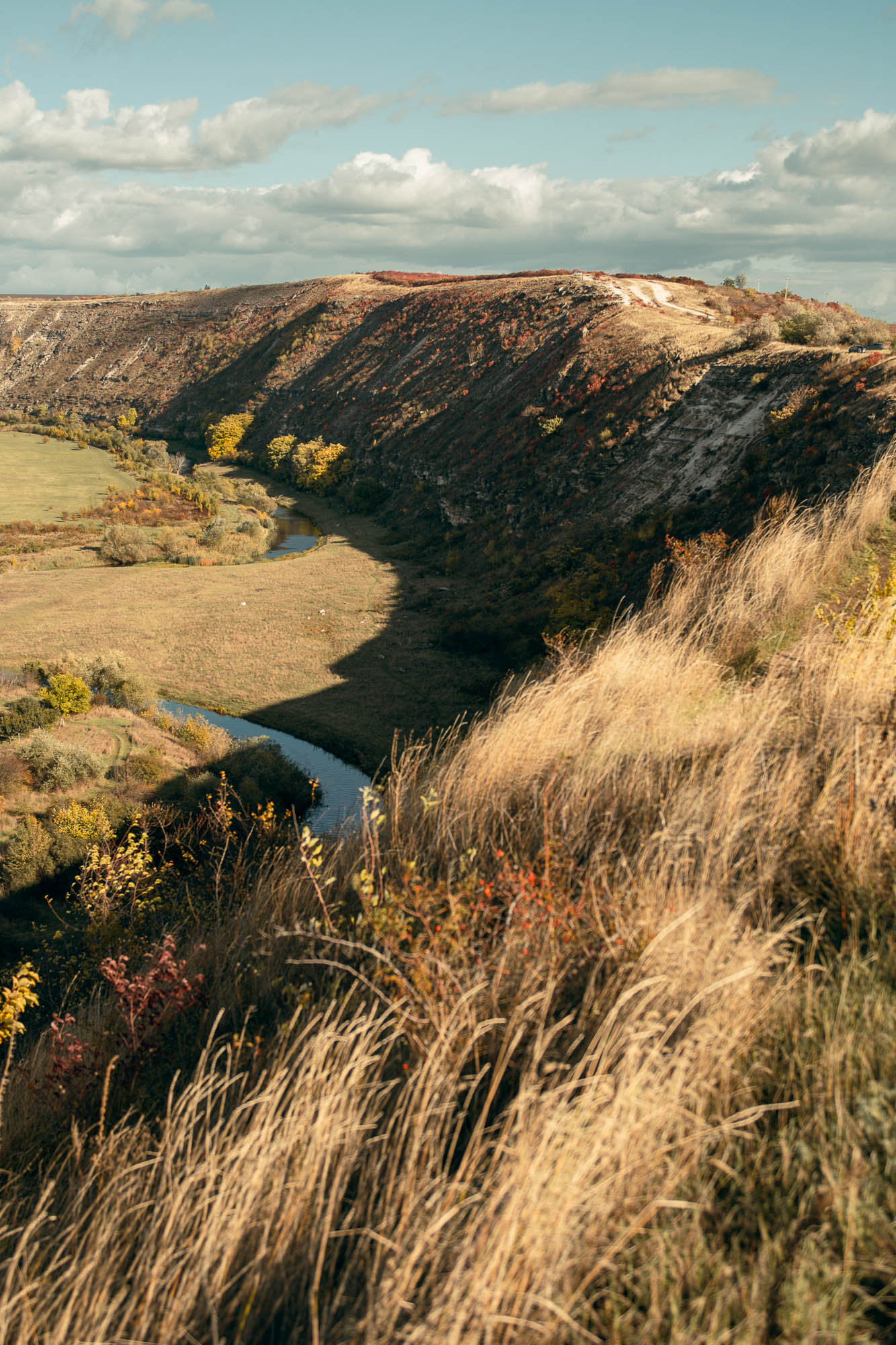
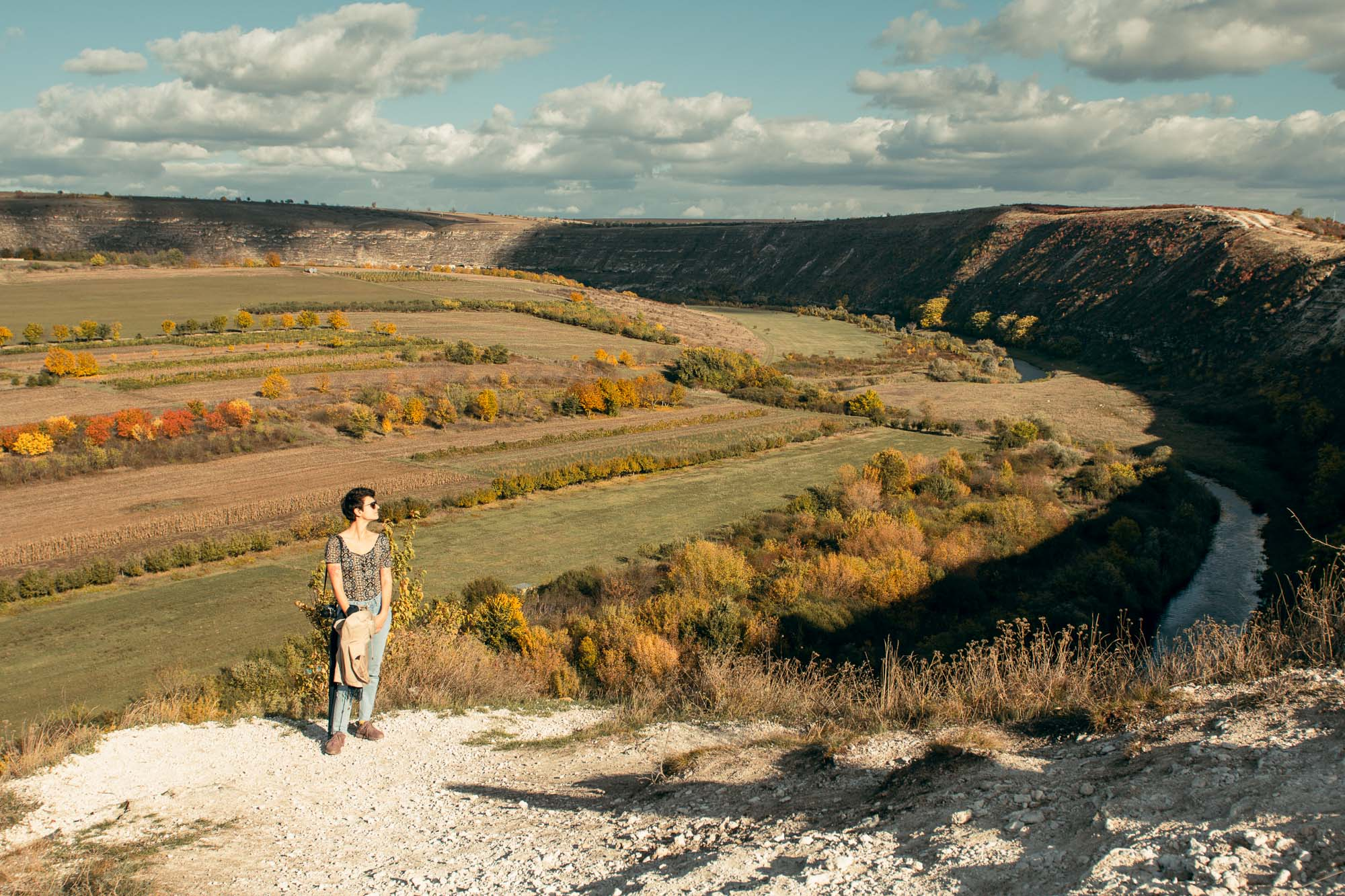
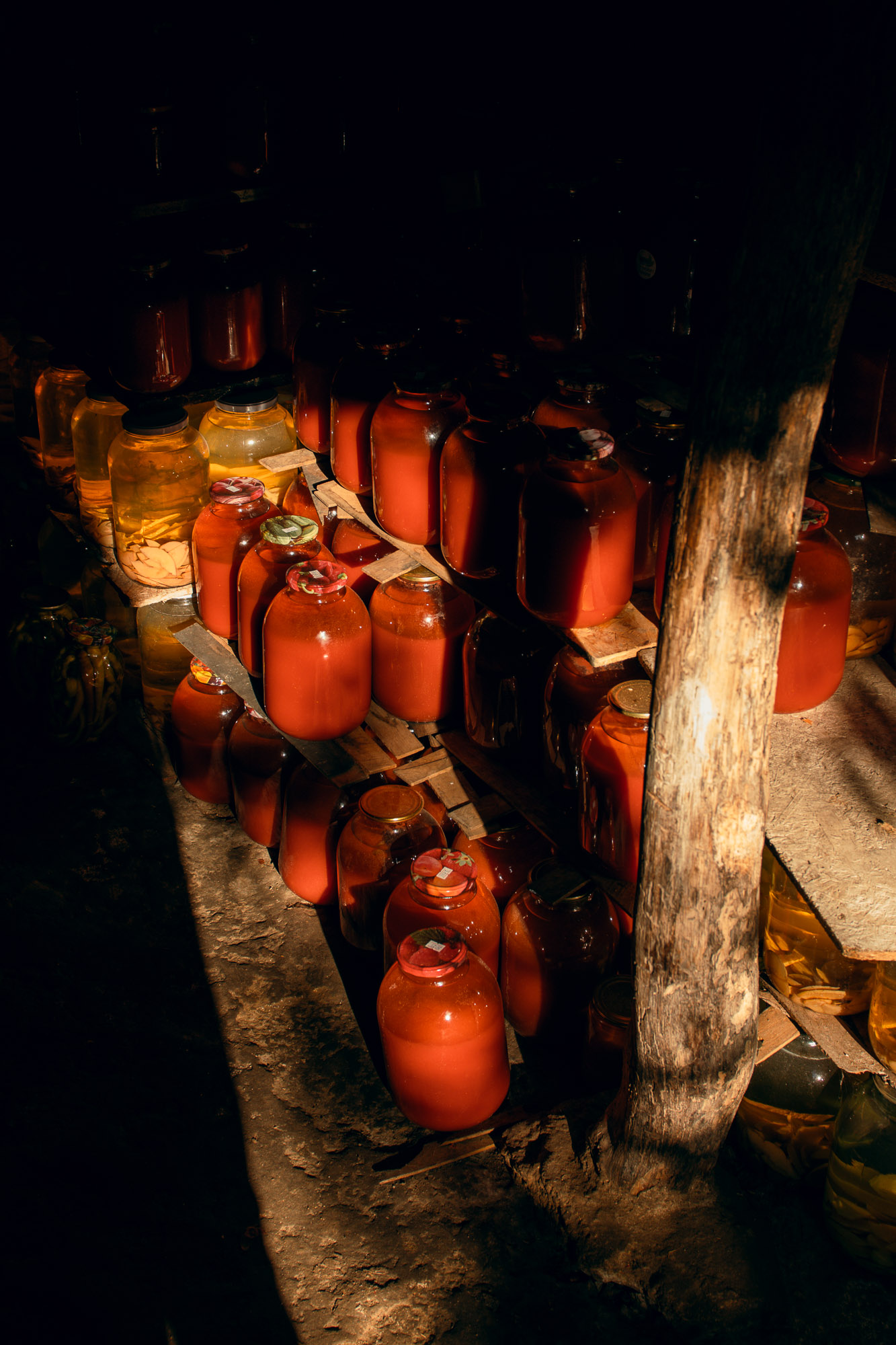
Entering the old monastery church was deeply moving. Despite being atheist, I am very sensitive to sacred places that have heard the prayers of thousands of people. Here, worshipers also insert their written prayers into the slits of the cliff, which creates something that feels like living art.
Butuceni was the obvious choice for the lunch pause, and boy do I enjoy the local food.
An amazing sunny October day.
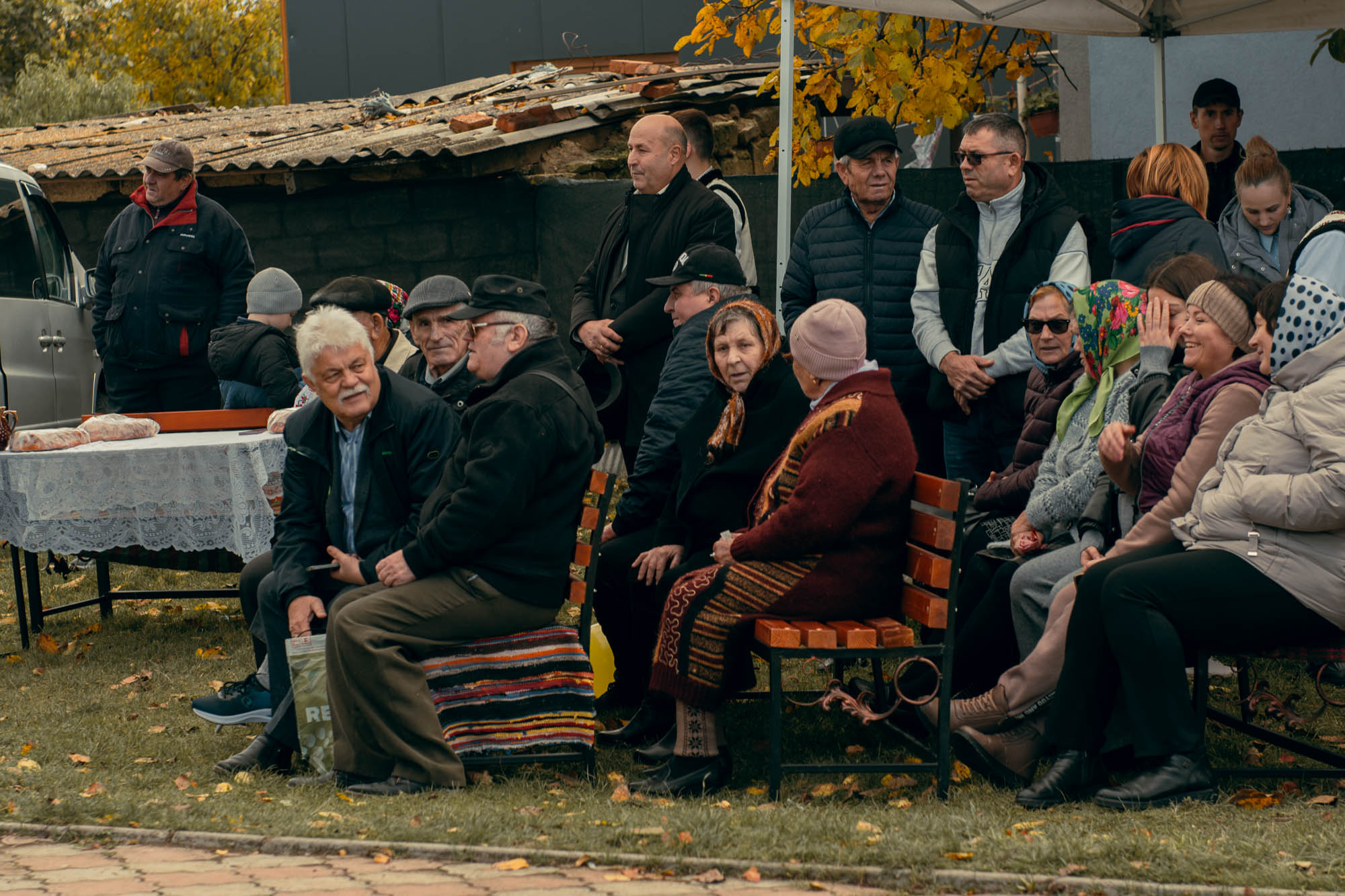
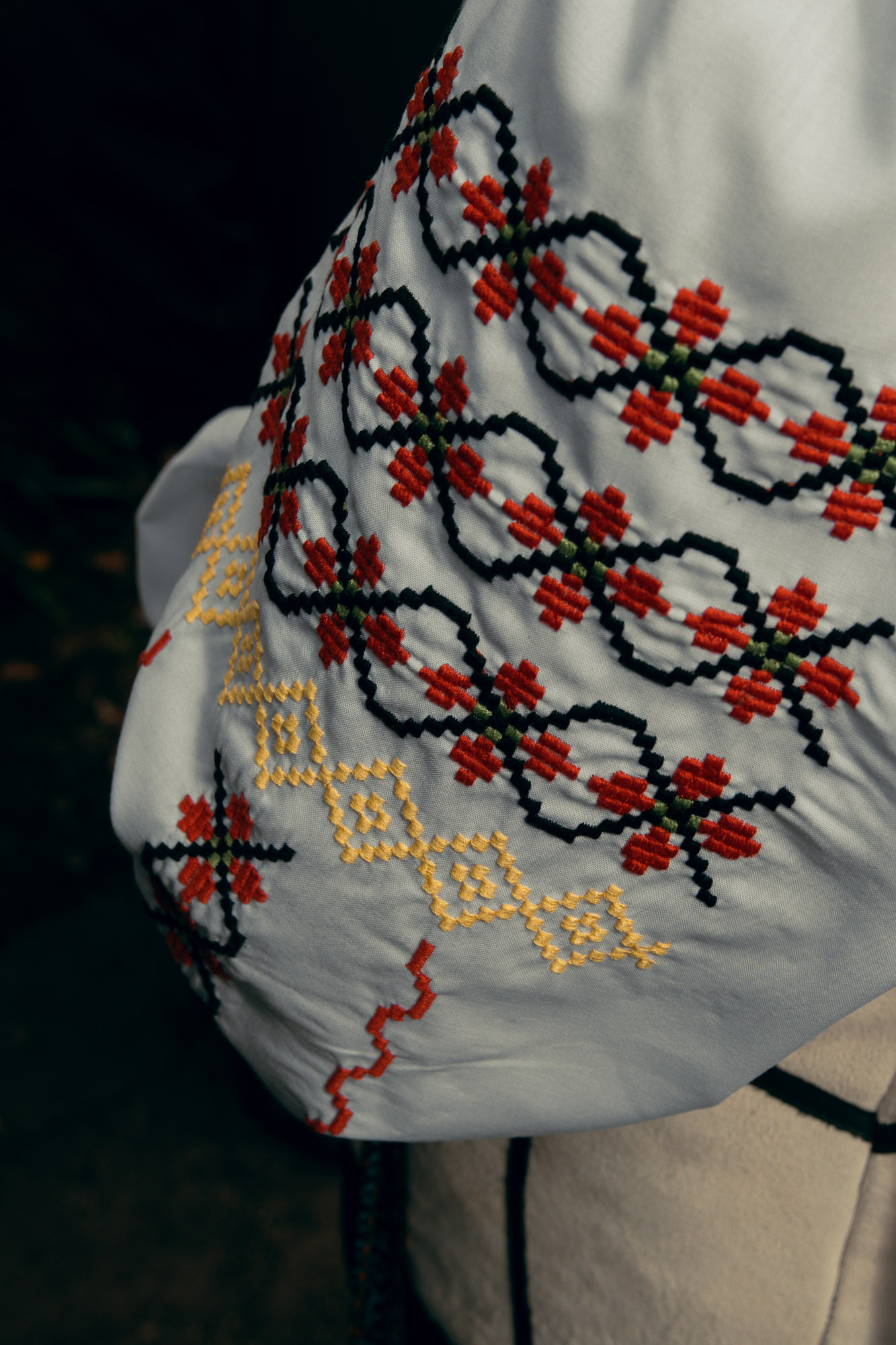
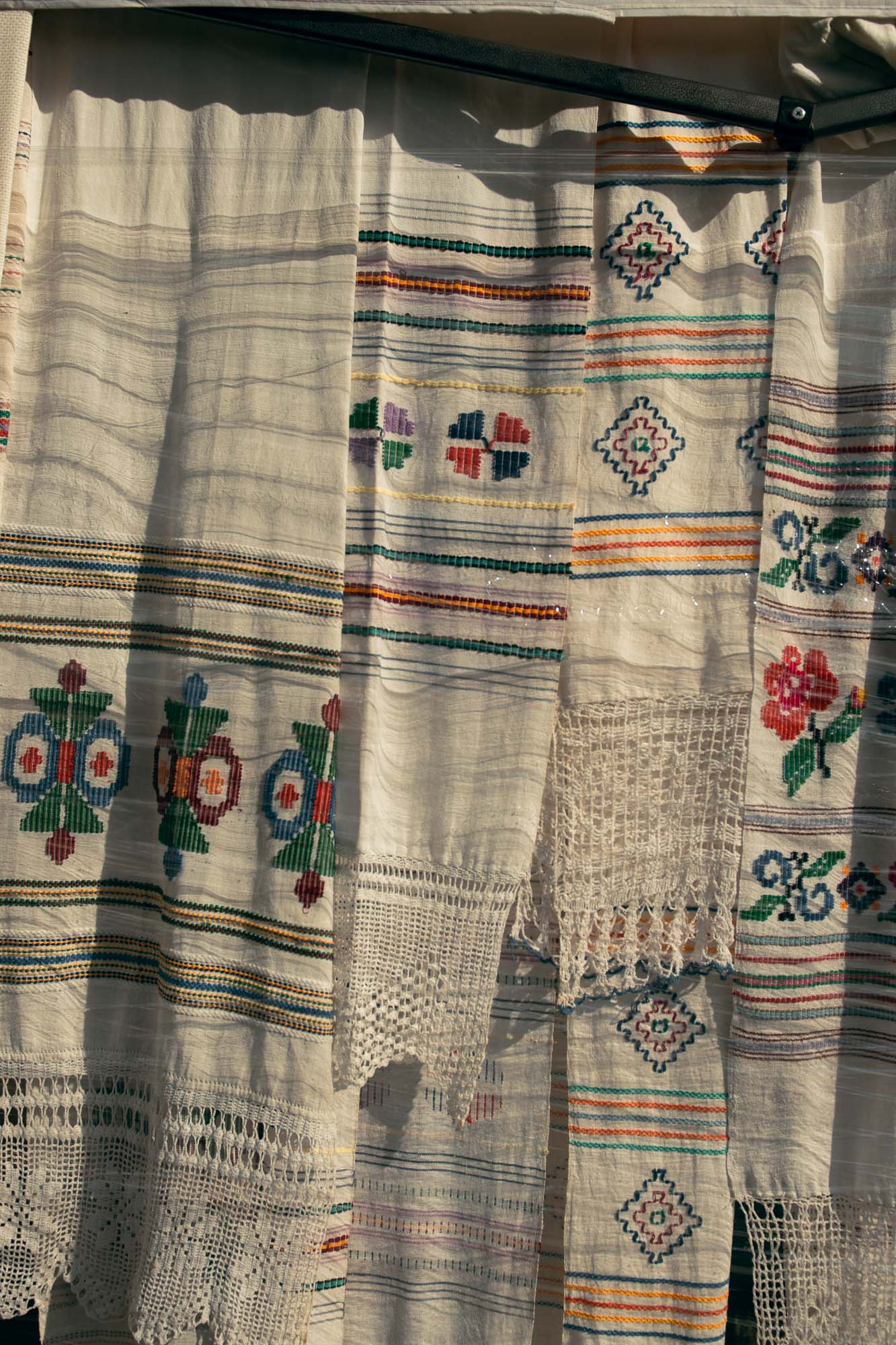
Also, on the road we stumbled upon a village festival — who am I to refuse a dance opportunity when it so nicely comes my way?
Cricova
The next day had to be another cherry on top of our cake — a visit to a Moldovan winery at last! There is more than one in the country, but our choice fell on Cricova, and what a bouquet of mixed feelings this visit presented.
We came early in the morning to book our spot for the English guided tour, had breakfast in the restaurant on the territory, and then the experience started.
I am doing my best not to sound condescending, but I can’t help it if some of it breaks through the lines. Mind that I am from a post-Soviet country, so my vision is very biased. The thing about the Soviet era is their “great-scale” approach — everything they do must be the: the biggest, the highest, the largest… Cricova reflects this in every aspect. Founded in 1952, it occupies more than 120 km of former limestone quarries transformed into a vast underground city — an underground maze so extensive that, as a tour group, we had to take a small electric train to visit some of its cellars. Also, as French citizens, we are somewhat spoiled by an ancient wine tradition, so this typically Soviet thing — “just make it huge and impressive, disregard the quality and common sense” — really stood out for me in Cricova. Even though the part about quality wouldn’t be fair toward Cricova, as their wine is really good!
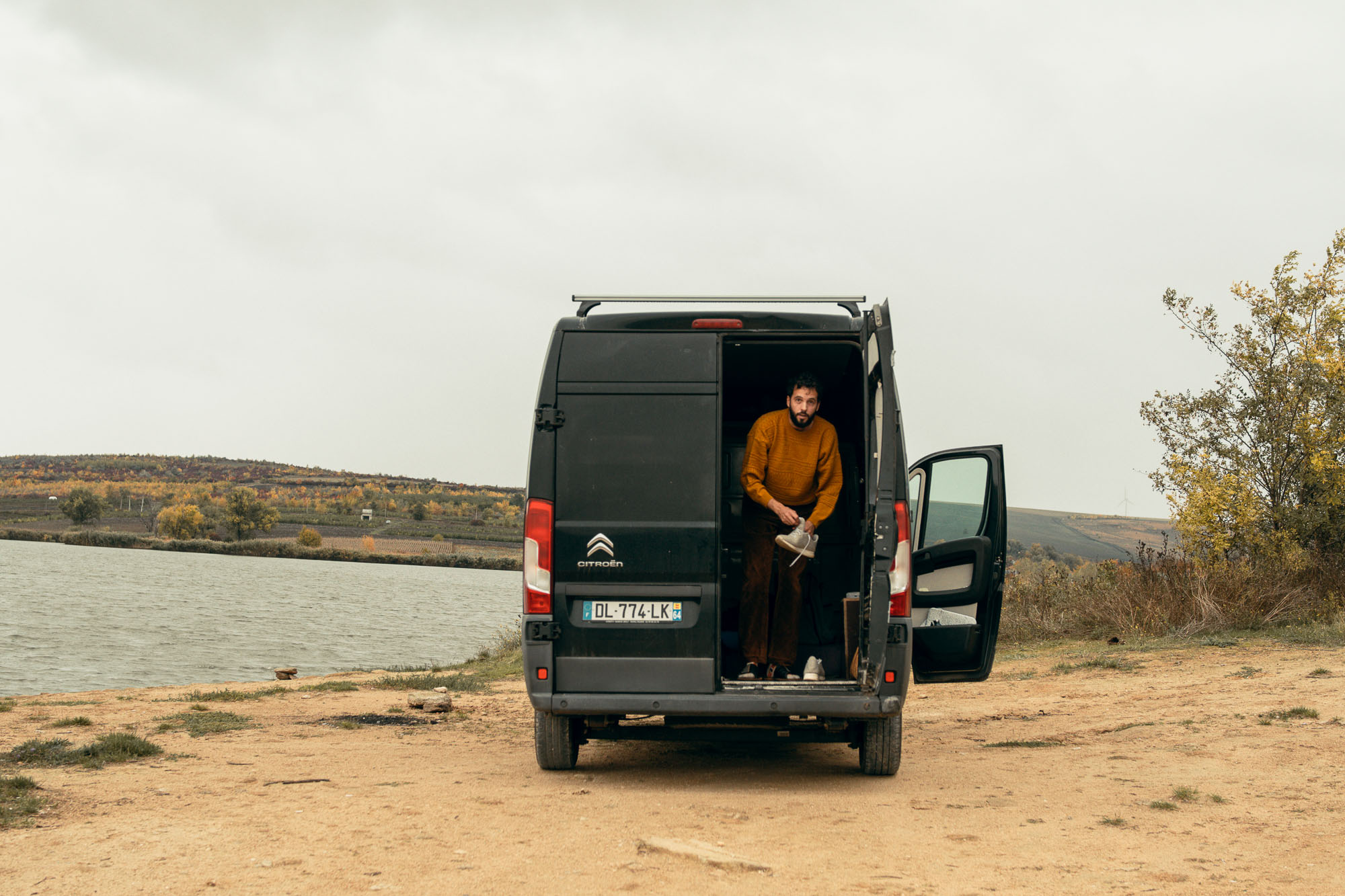
Nights in Robbie


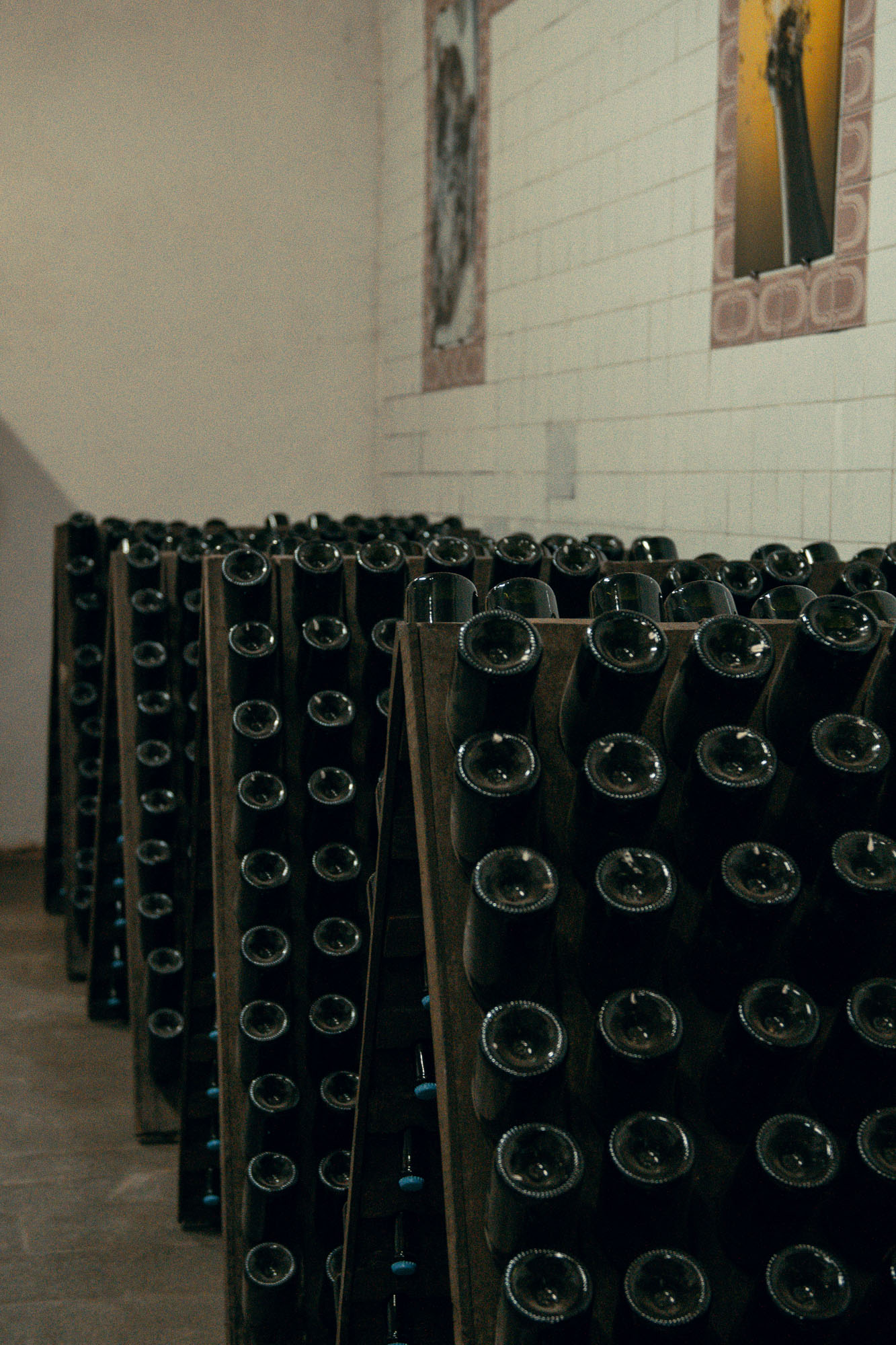
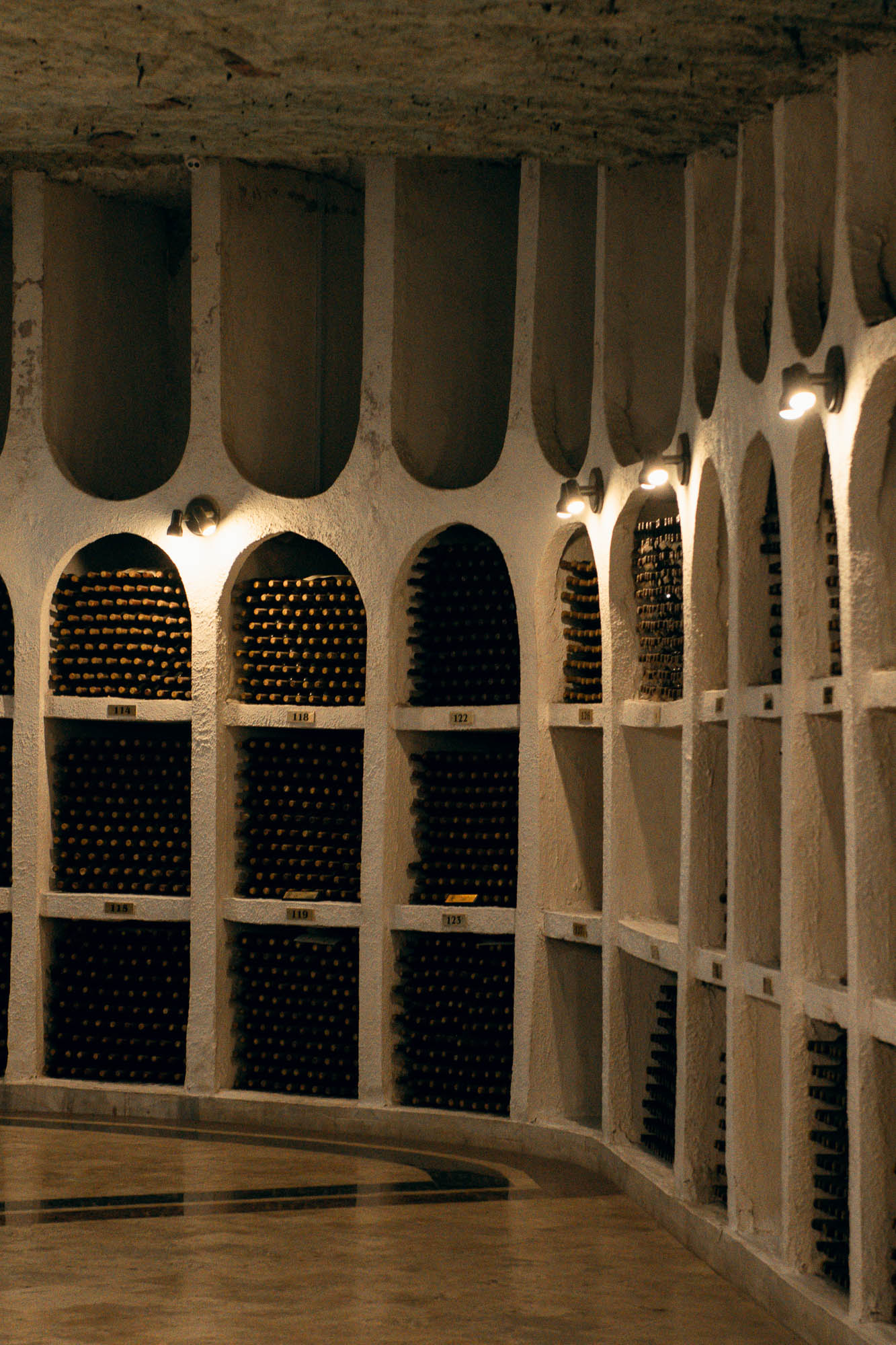
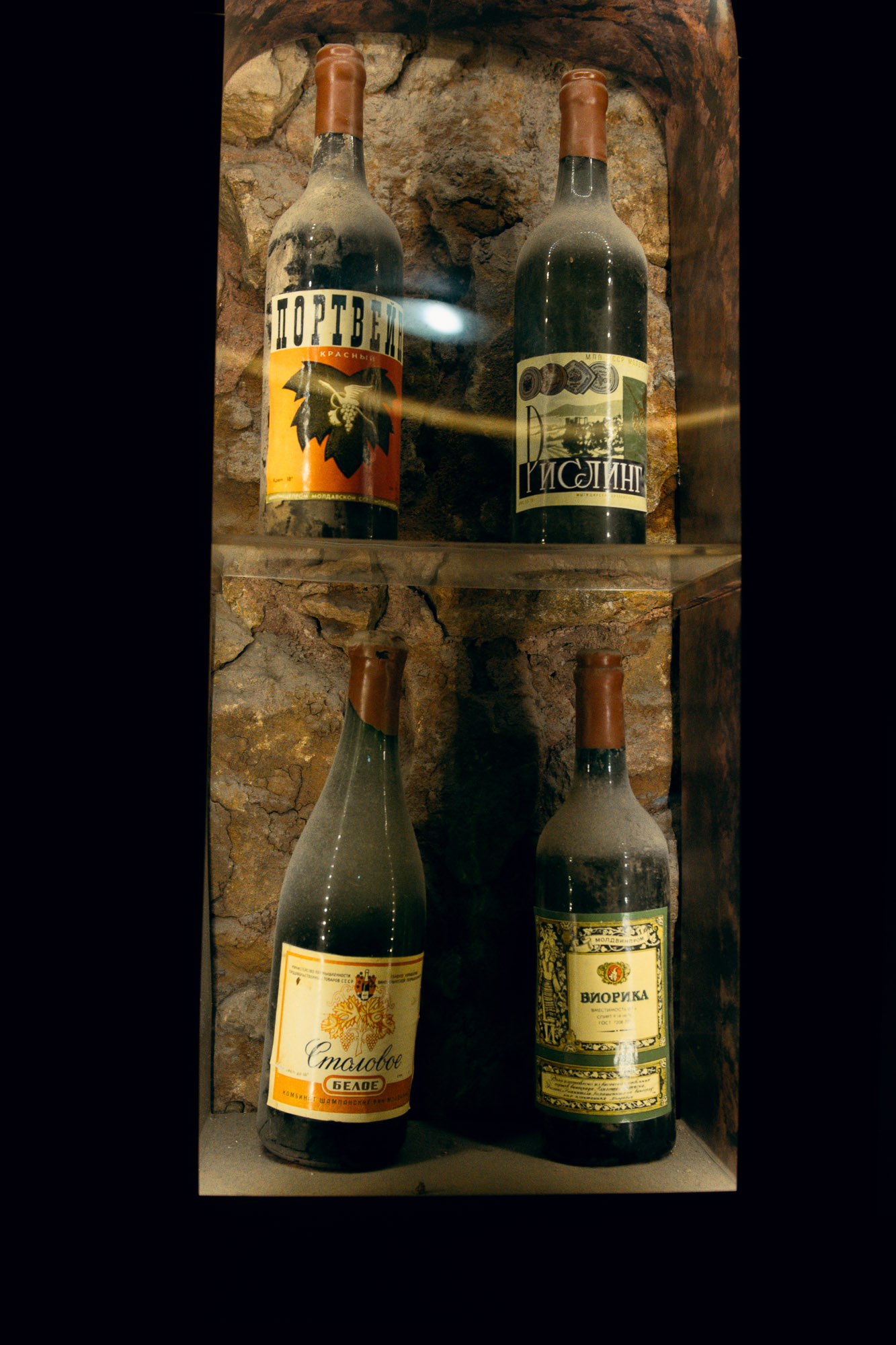
Do we recommend visiting Cricova? Sure, it’s an interesting experience, very different from other wine places we’ve been to. However, I wouldn’t put it on the list of “must-dos” and “must-sees.”
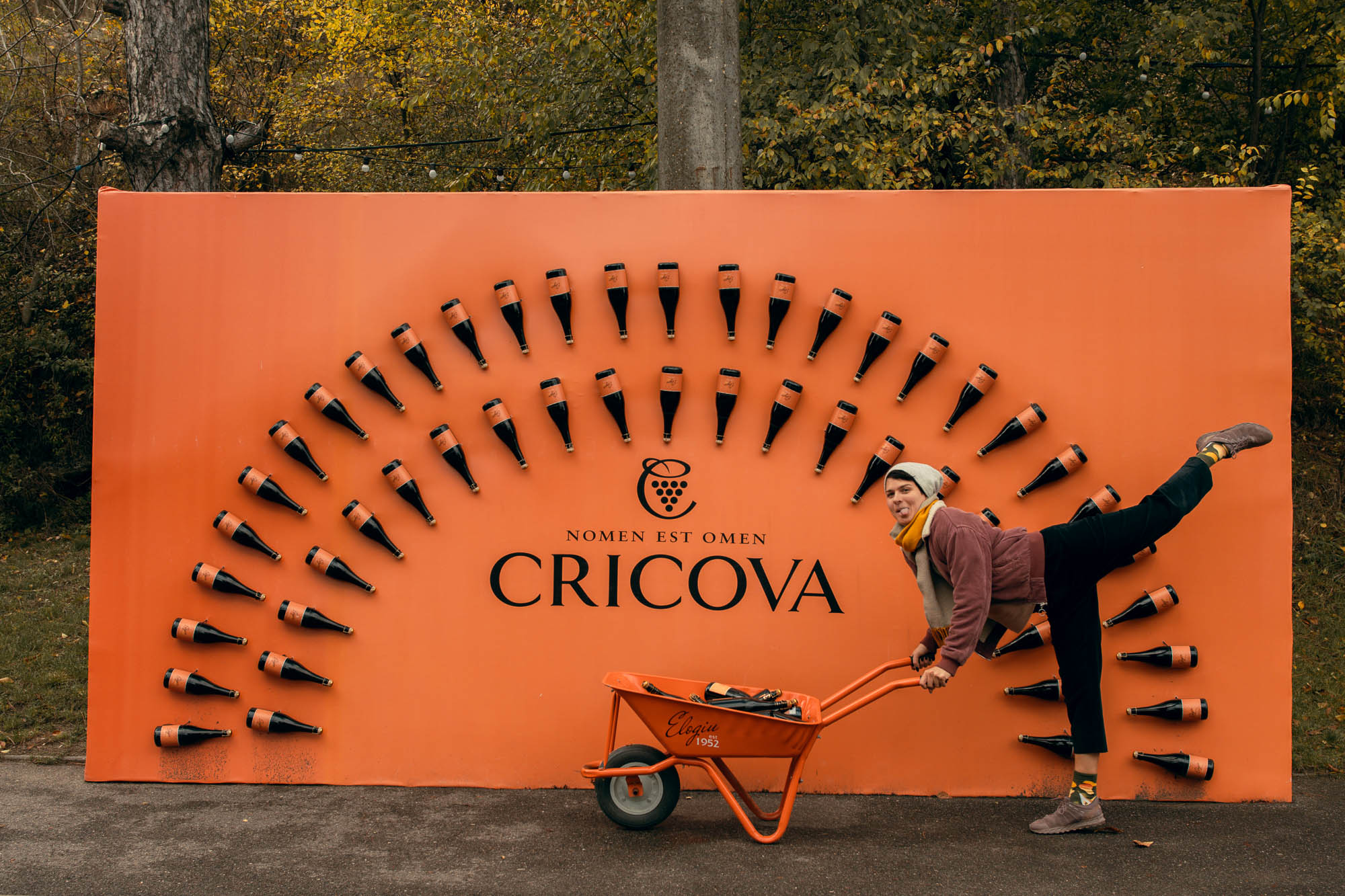
Chișinău
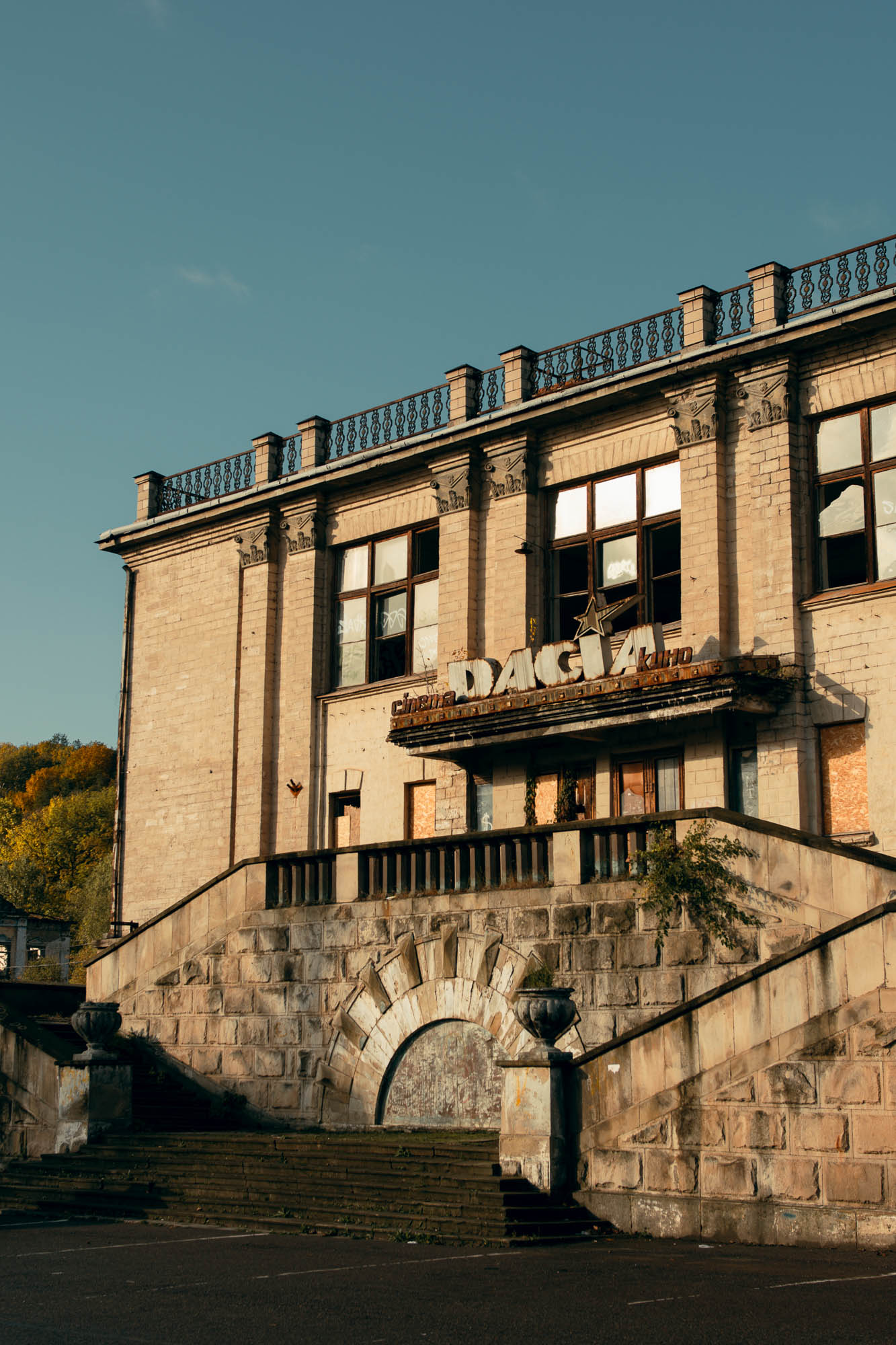
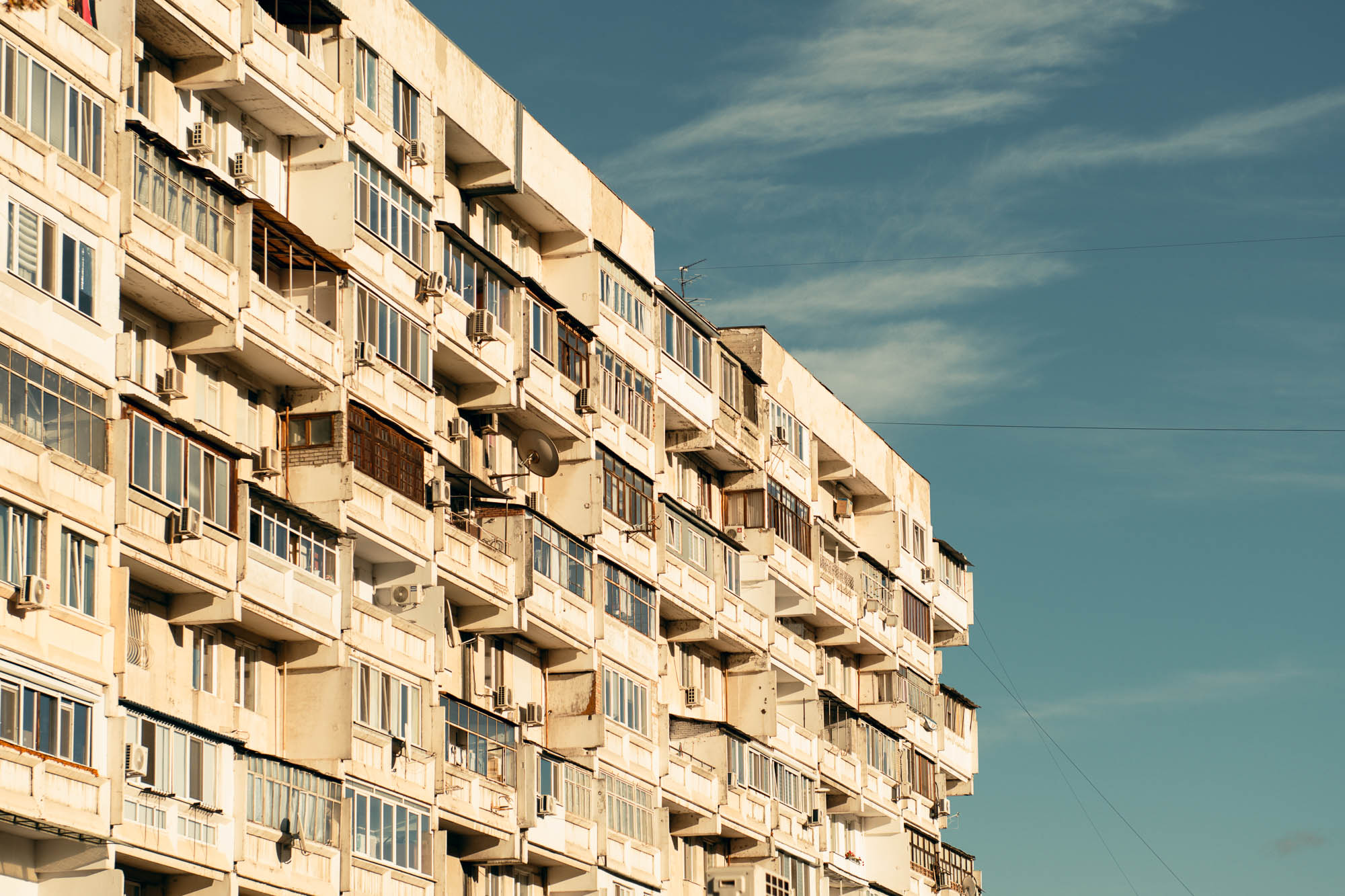
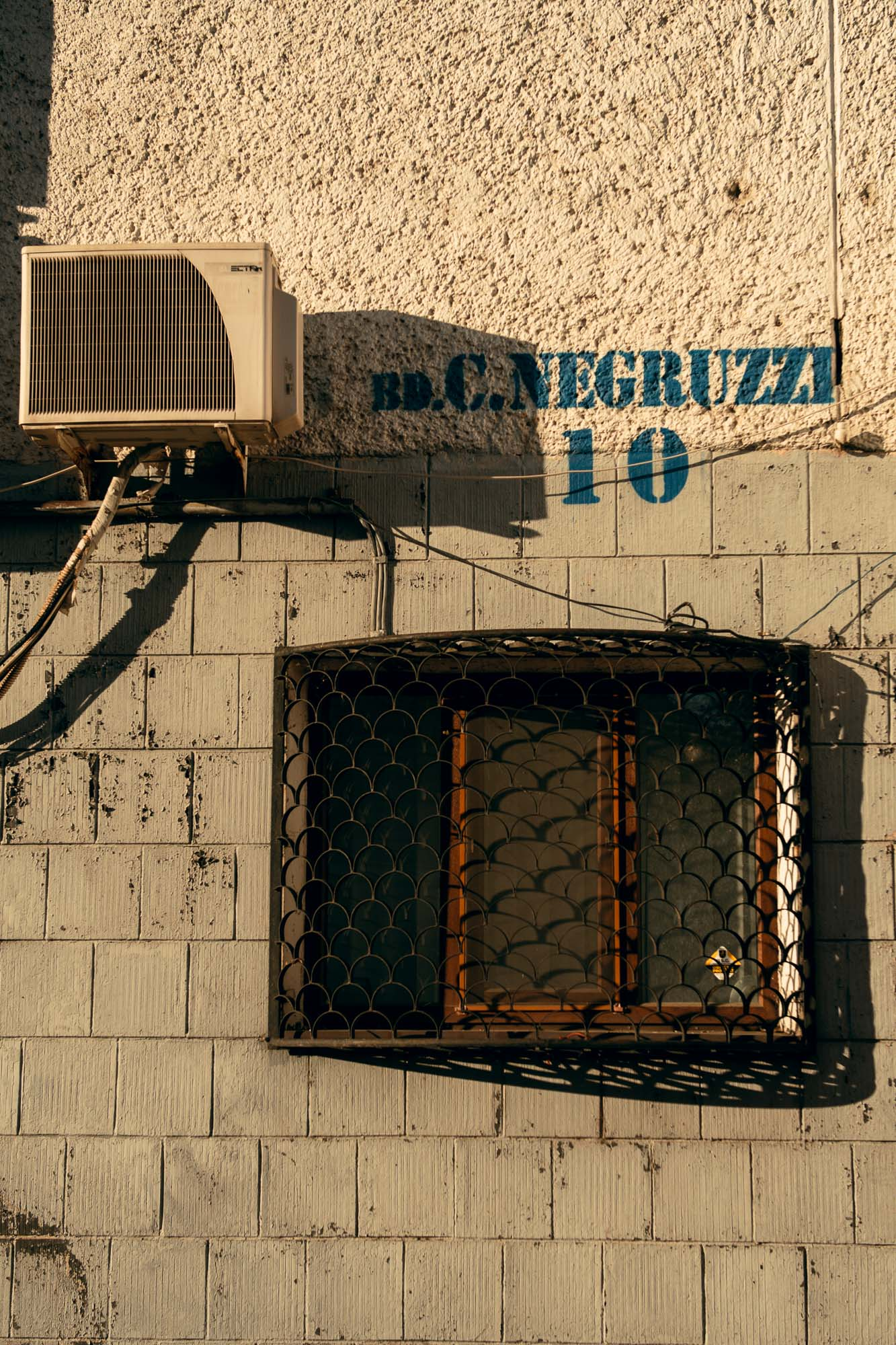
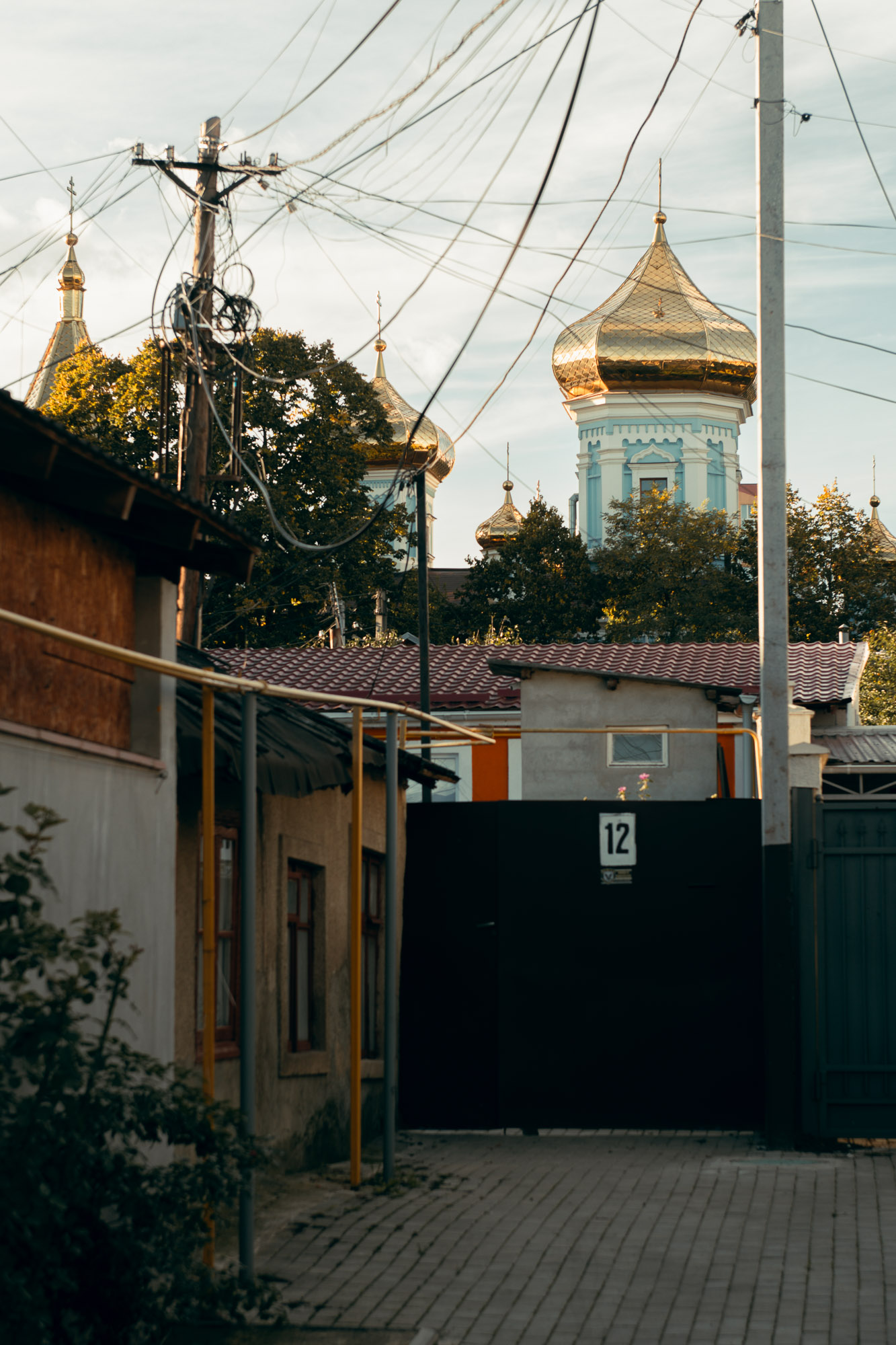
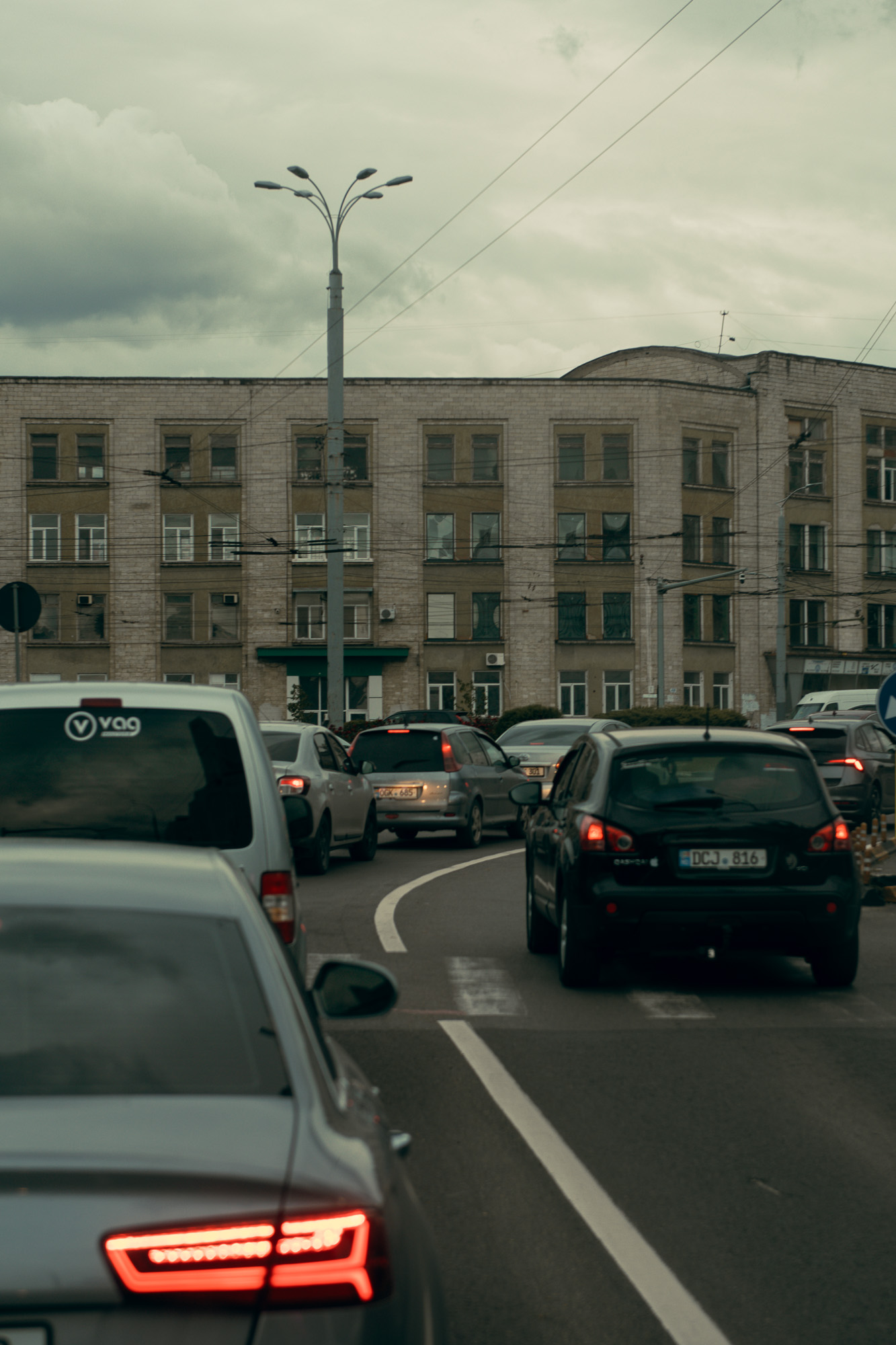
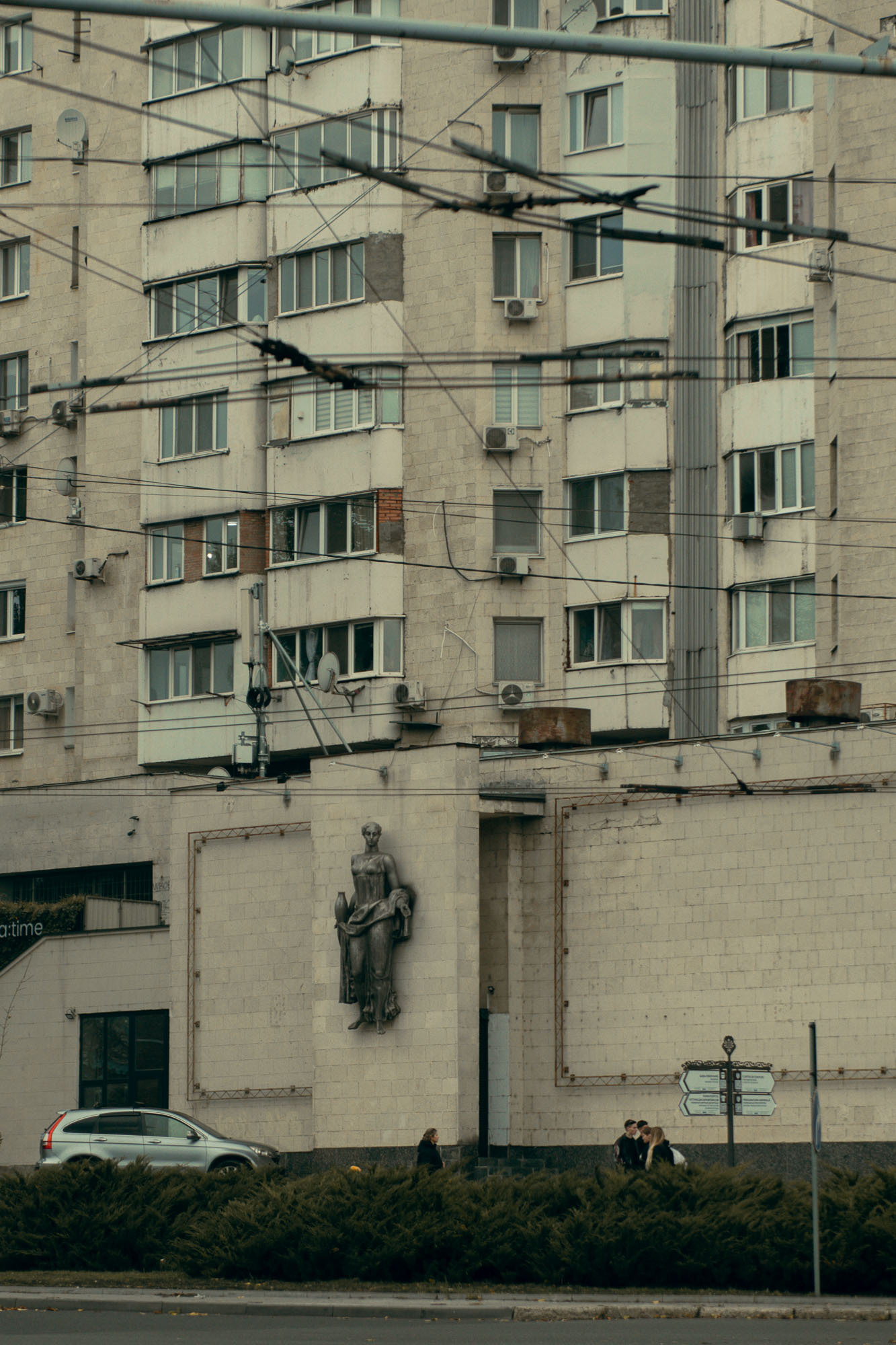
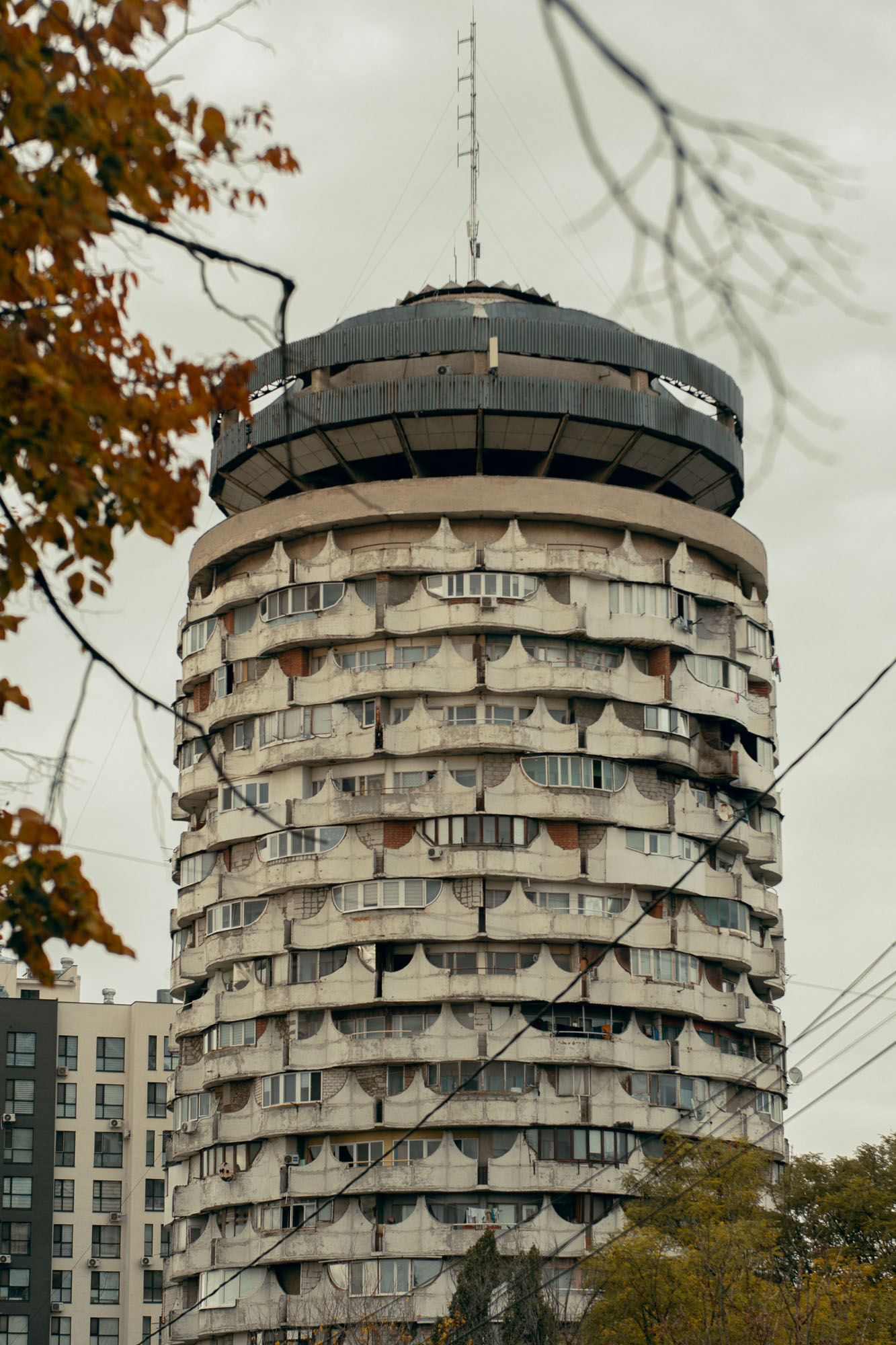
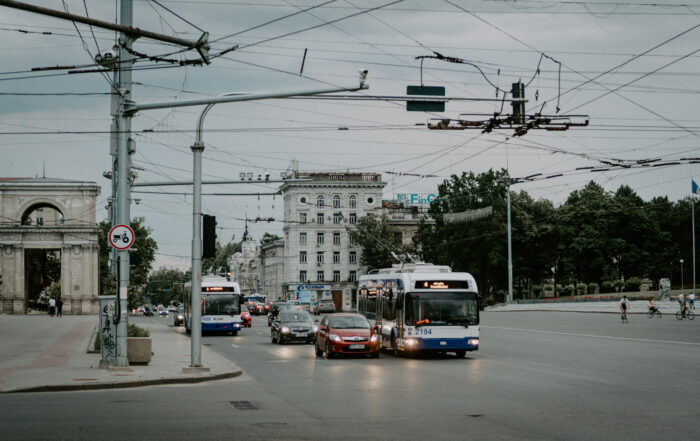
Finally, we arrived in Chisinau. I was in Chisinau in 2019, and I am very pleased to say that the city looks in a better state — it always warms my heart to witness blooming in the places I had randomly been to years ago. Our plan was very simple: visit some of the Modernist buildings of Chisinau (check!), eat more local food (check!), and visit the local fine arts museum (another check!).

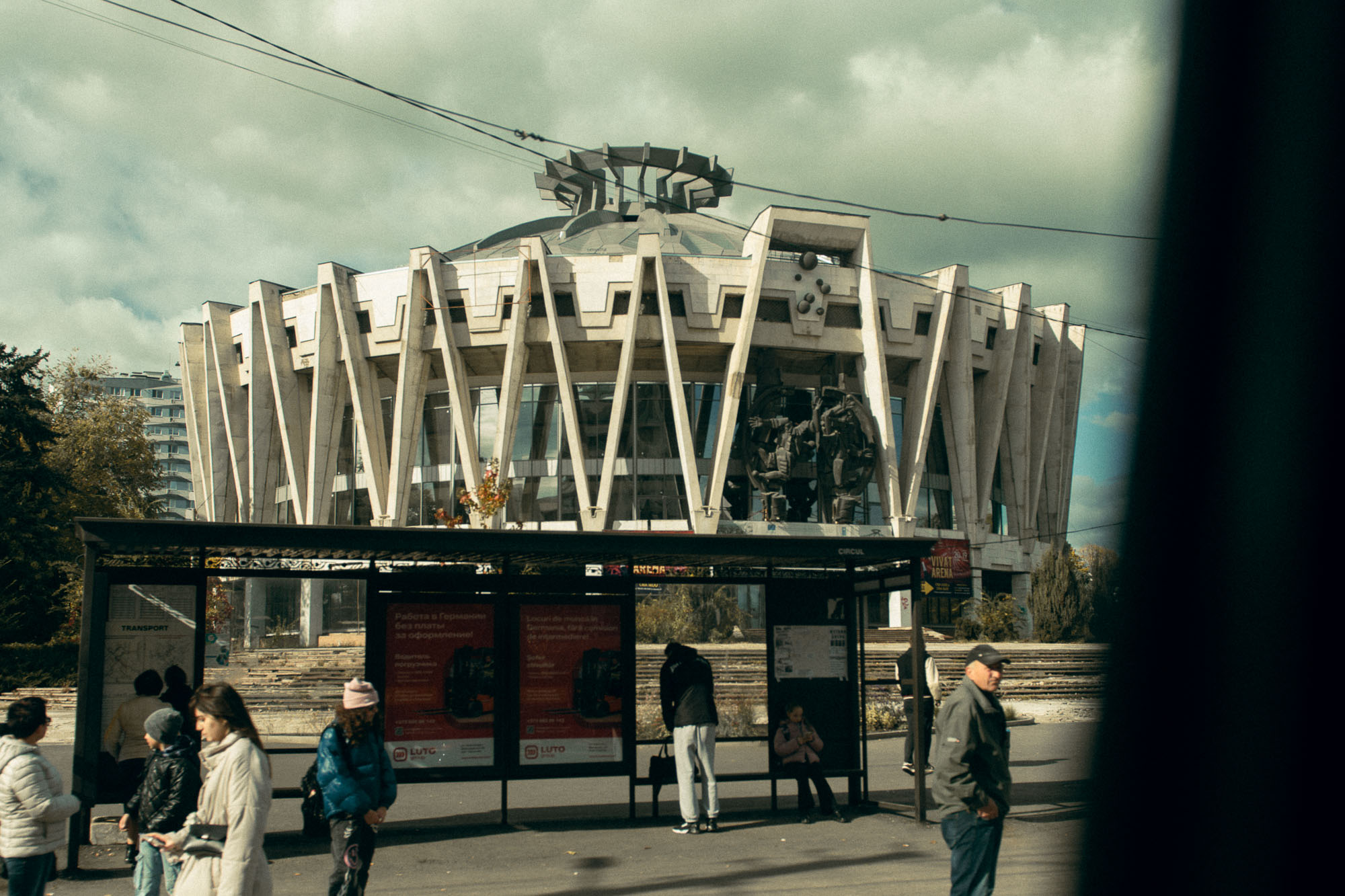
The circus building that makes me speechless
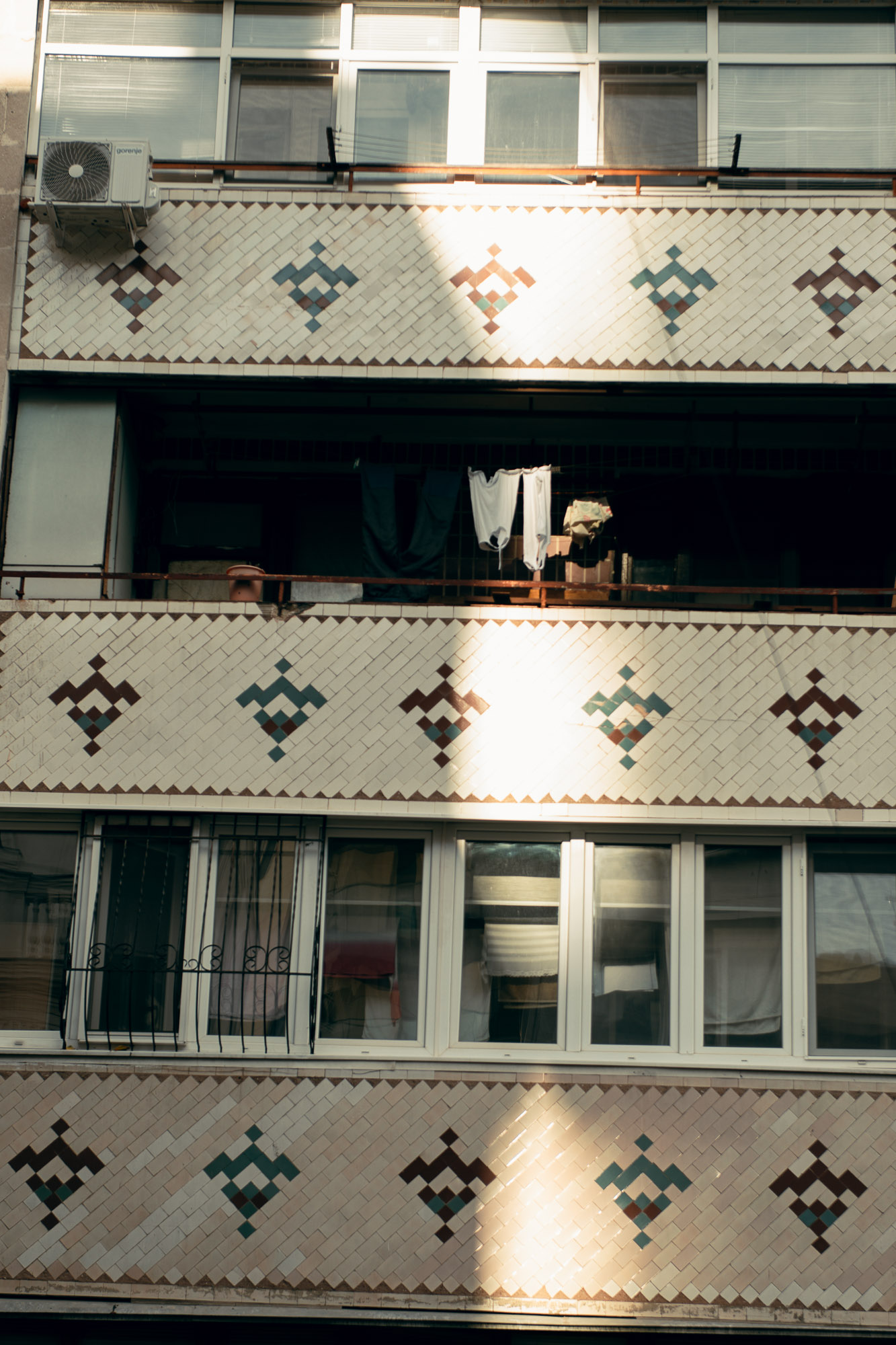

La Plăcinte – the best place to eat the local food!
I briefly mentioned a village festival. I didn’t mention, though, an acquaintance we made there! Mikhaela offered to show us around when we got to Chisinau, and we gladly accepted. Not only did she show us the best placintas in the city, but she also told us many interesting things about the ethnic, linguistic, and political situation in Moldova. I had the feeling of being in a time machine and going back to Ukraine before the war (back in 2014), when we were “innocent” and light-hearted about Russian influence in our country. It seems like Moldova has kept this attitude, in spite of the horrible war happening to its close neighbour. I guess nobody can really apprehend such things before they come knocking directly on one’s door.
A special mention for our lovely B&B in Chisinau — a real gem!


How We Were This Close to Have Visited Transnistria
Just like Ukraine, Moldova also has an unrecognized state created within its borders for Russian political games. I’ve seen quite a few discussions on the web about whether it’s worth visiting Transnistria (the name of this quasi-republic) for tourists or not, as with decades passing by, people have kind of accepted the idea of its existence. To my great disgust, even some travel counters include it as a country to visit. From my point of view, it’s the same aberration as putting Crimea on the map of Russia.
Naturally, we had no intention of going there. Not only would it contradict our political views, but it would also mean putting ourselves at risk for no reason (haha, remind me of this when I tell you about our visit to Kherson), being Ukrainian residents on territory controlled by Russian forces. And we are both long past the point of going somewhere just to tick it off a list. This whole idea was therefore out of the question.
Do you feel this “but” coming?
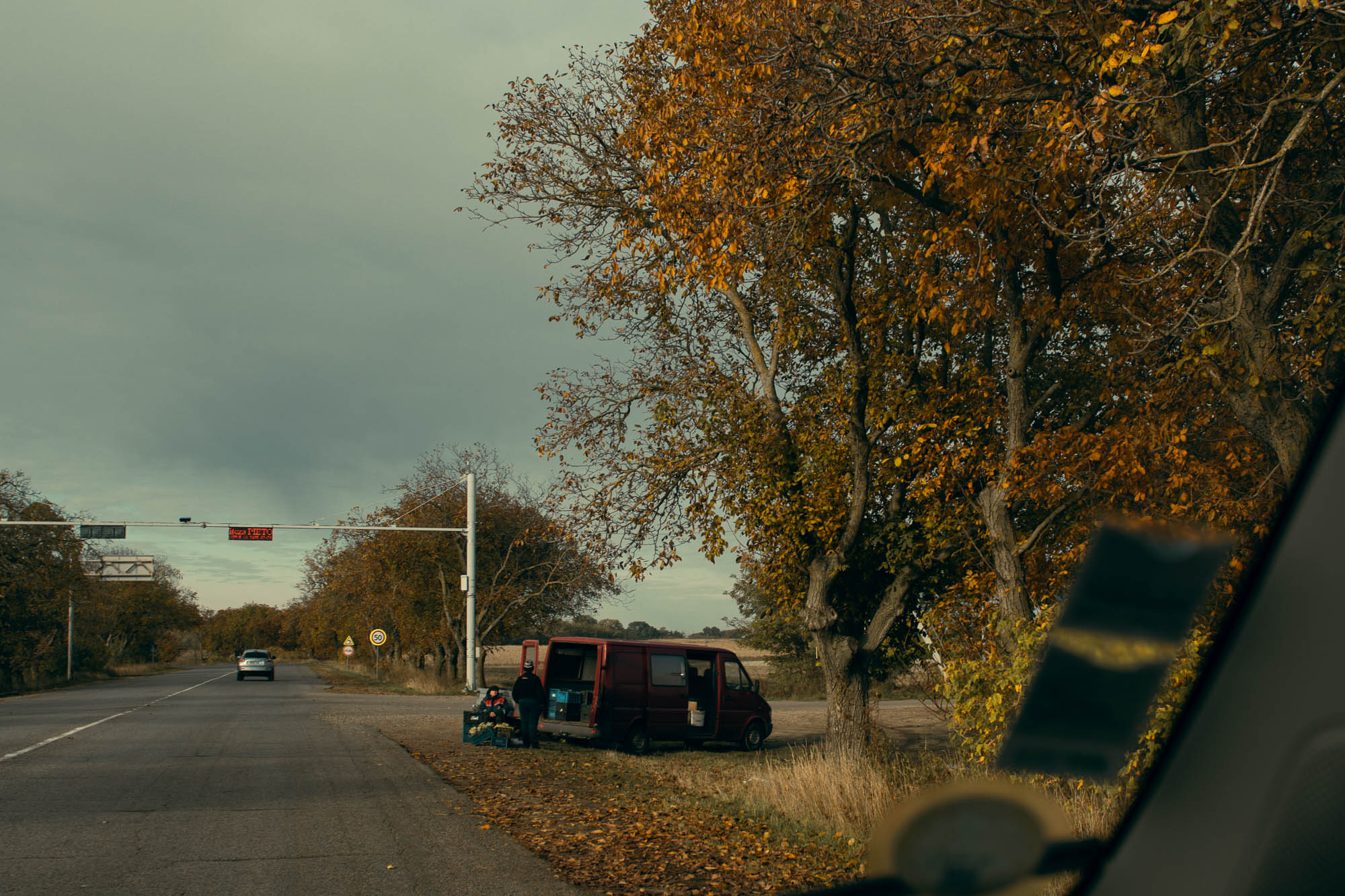
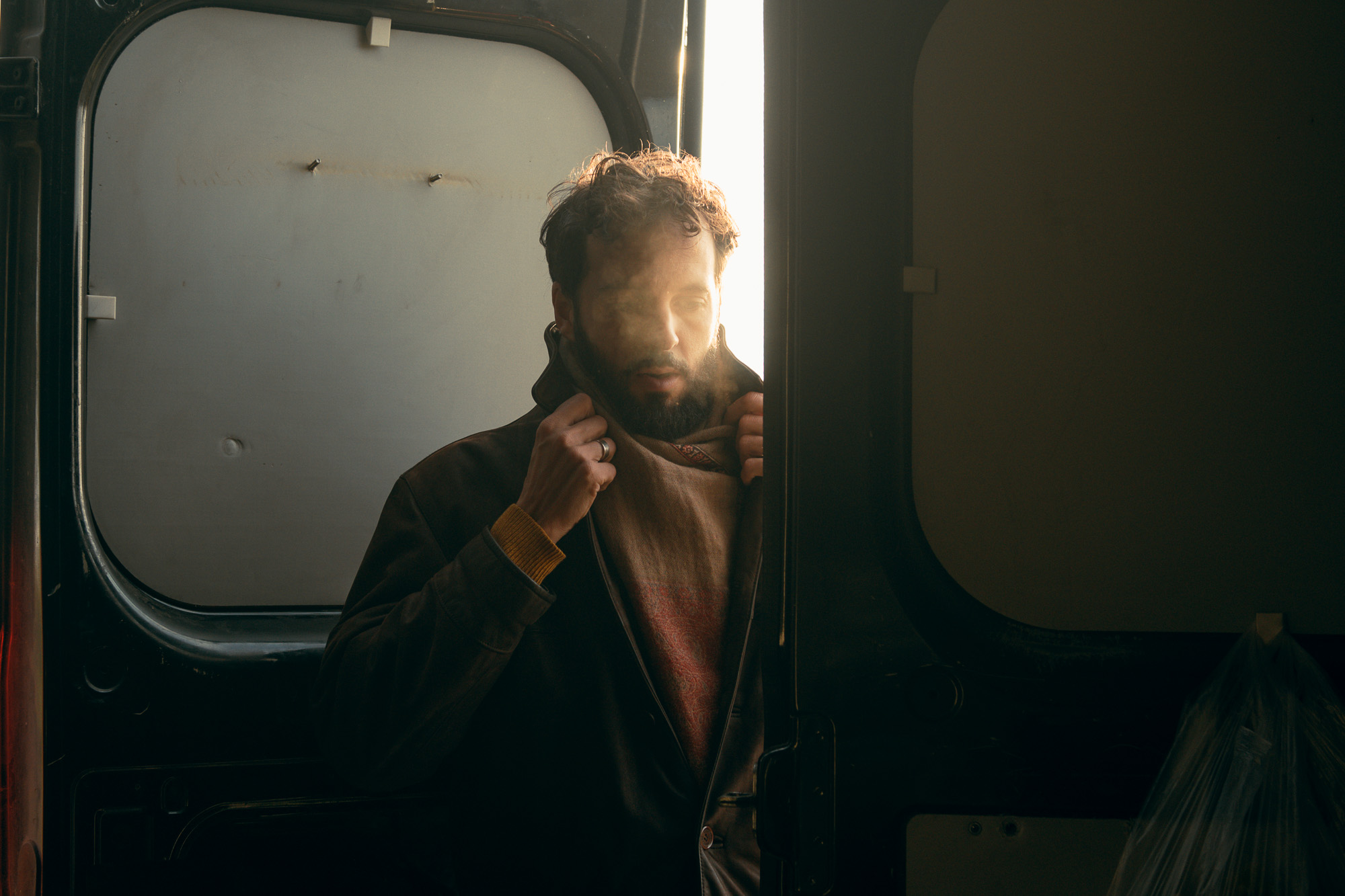
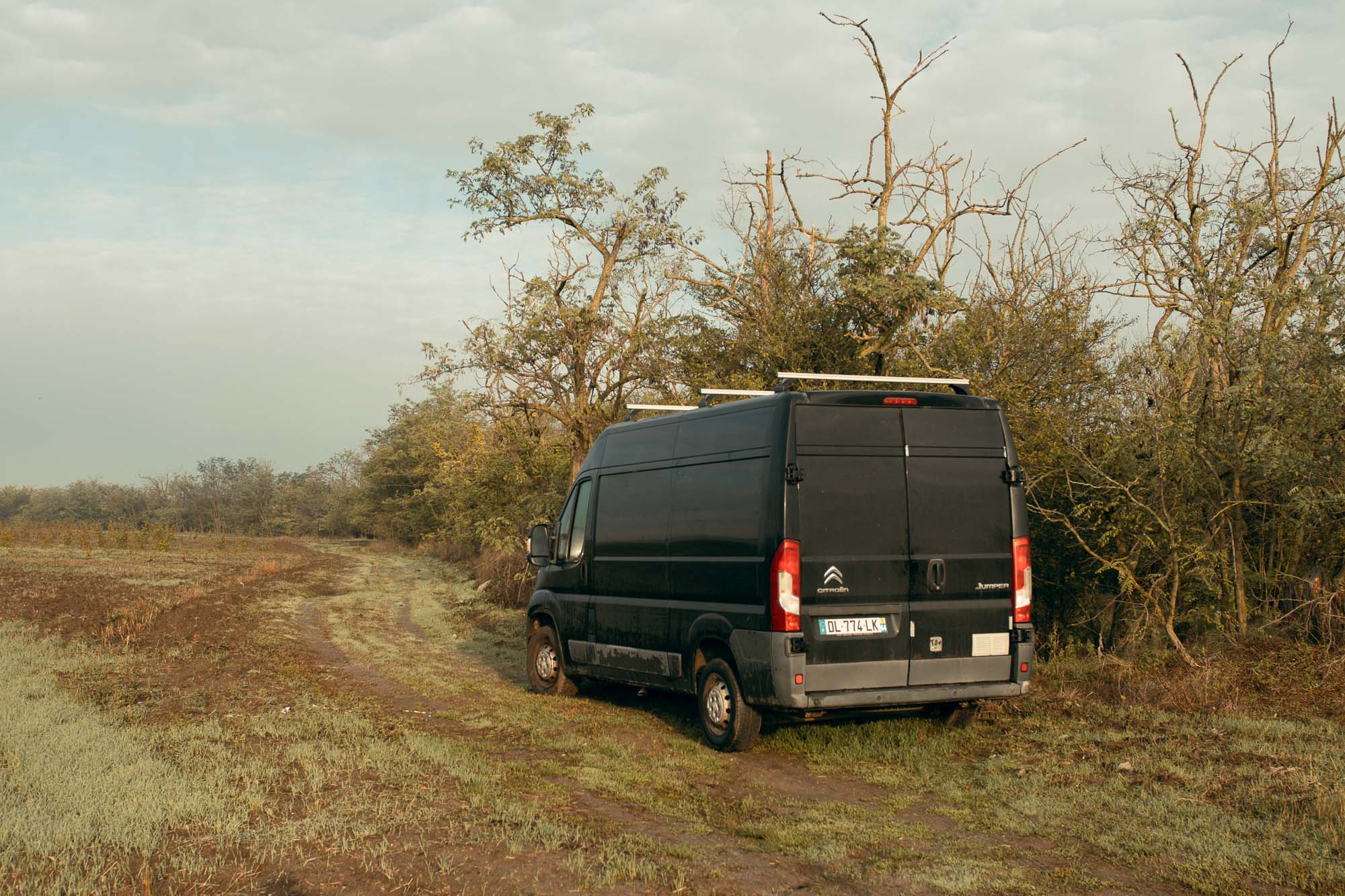
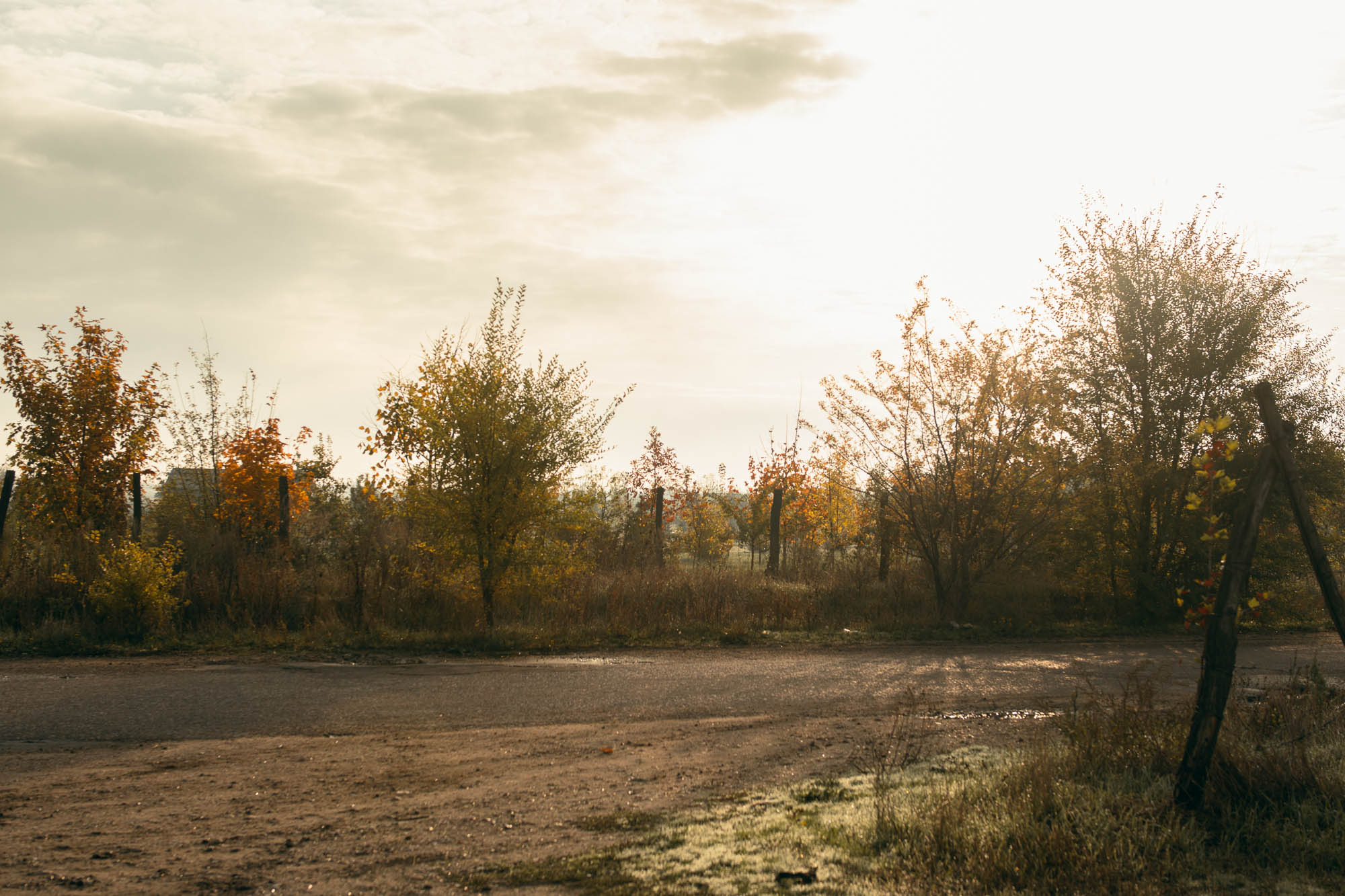
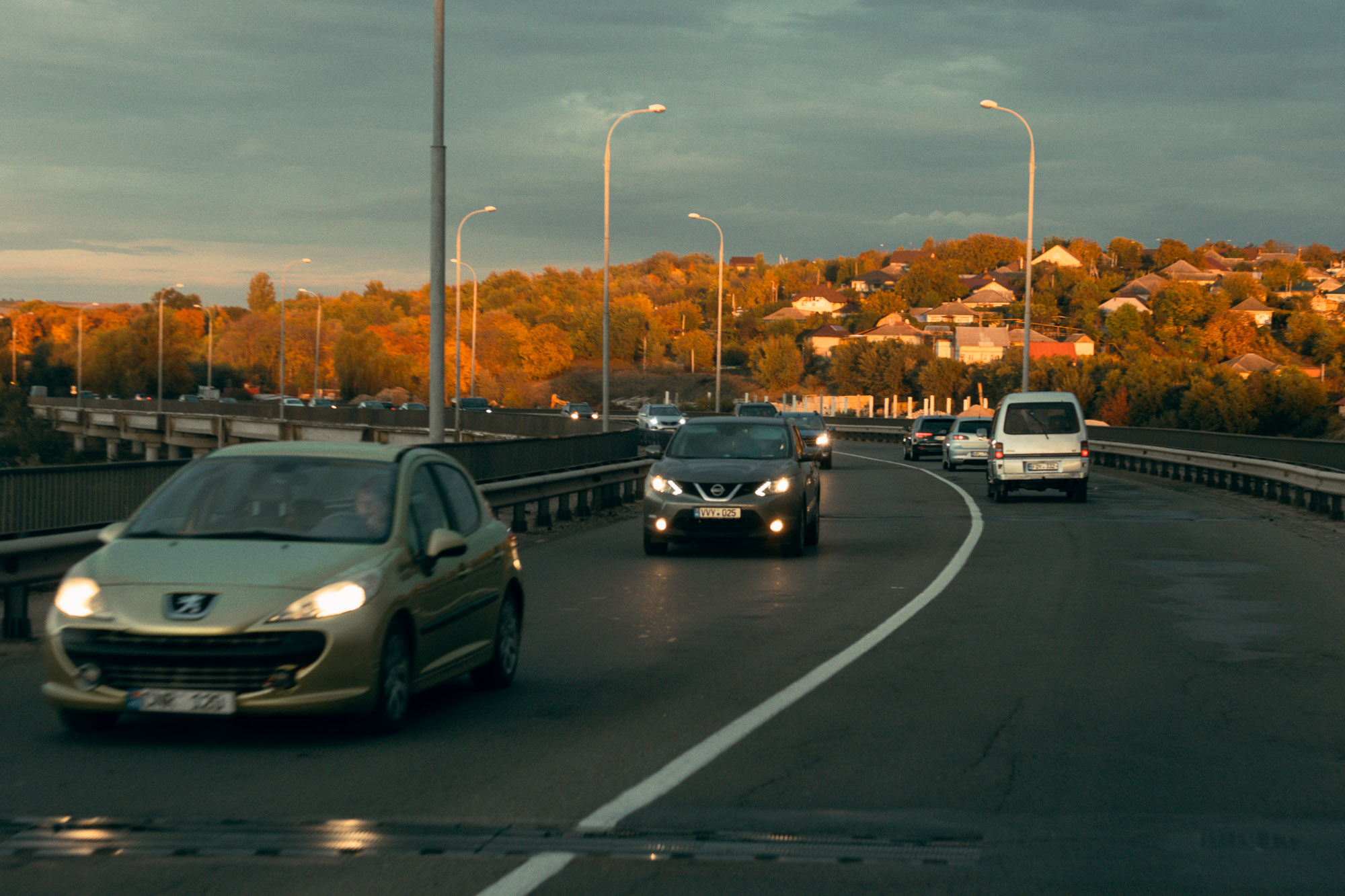
Somehow we did poor research while planning the trip and decided that the next point on our map — a town called Bender, famous for its enormous fortress — was still under Moldovan control. Well, surprise — it wasn’t. Apparently, officially, it is “neutral,” but de facto we bumped into Russian officers patrolling the road and very soon arrived at a “border control.”
The screech of our tires turning around could be heard far away. It’s not an exciting adventure one can trade with friends during drinks, but I’ll let you imagine the feelings that seeing a Russian military uniform can provoke. Not nice ones — that’s the least I can say.

Gagauzia
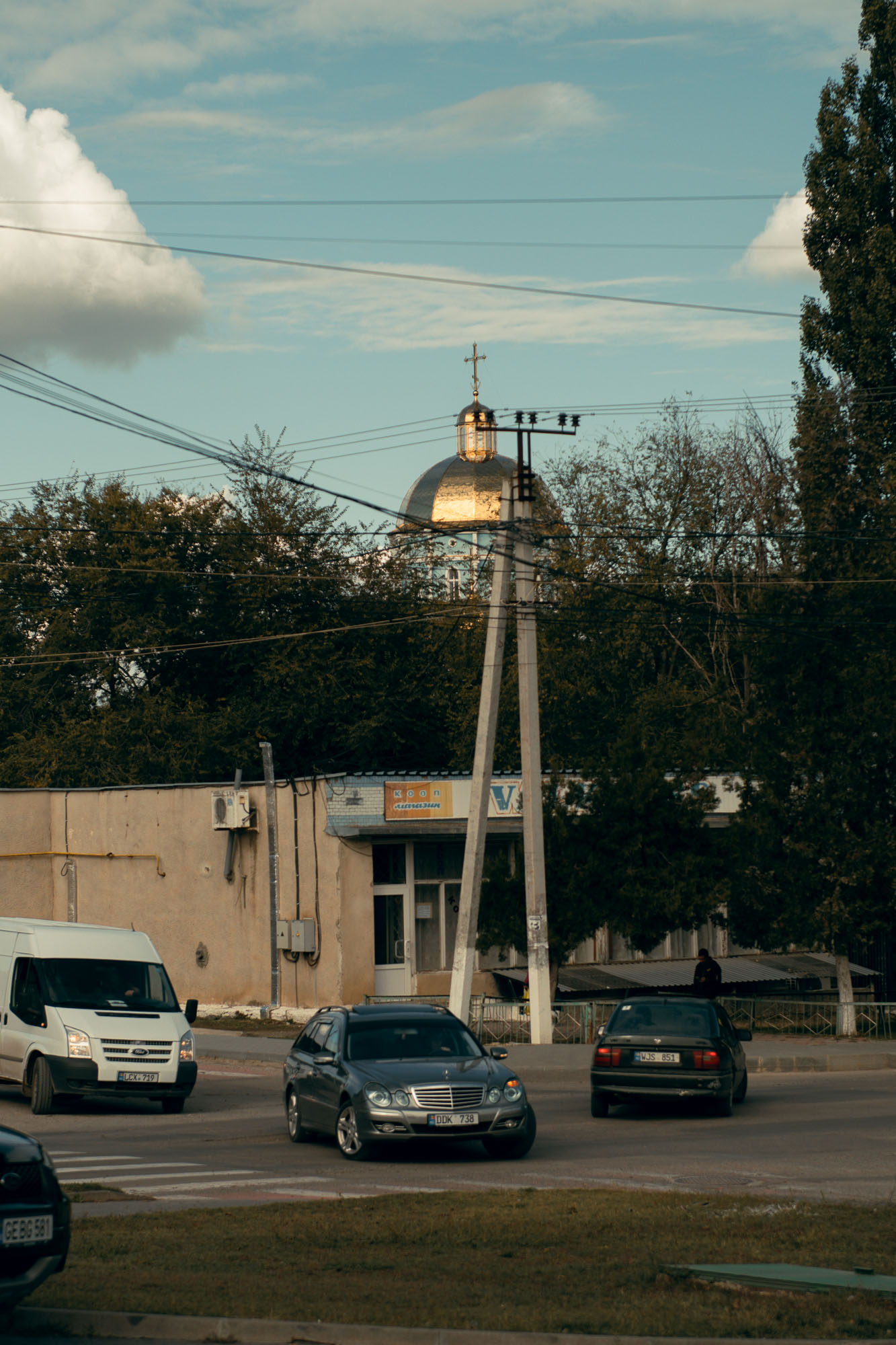
The rest of the road was fairly uneventful — we rolled down to Vulcănești and prepared to go back to Ukraine. There was another cultural-political-historical curiosity yet to be discovered, namely yet another Russian-influenced formation under the name of Gagauzia. An autonomous region for the local Gagauz people, a Turkic-speaking, primarily Orthodox Christian ethnic group (yes, I copied that from Wikipedia). Russia has been nourishing them with money and propaganda, but in the end didn’t have much interest in pushing them to Transnistrian status (luckily for Gagauzia, I guess…?). Still, Russians keep Gagauzia on a leash for any tumult they might need. Weird stuff.
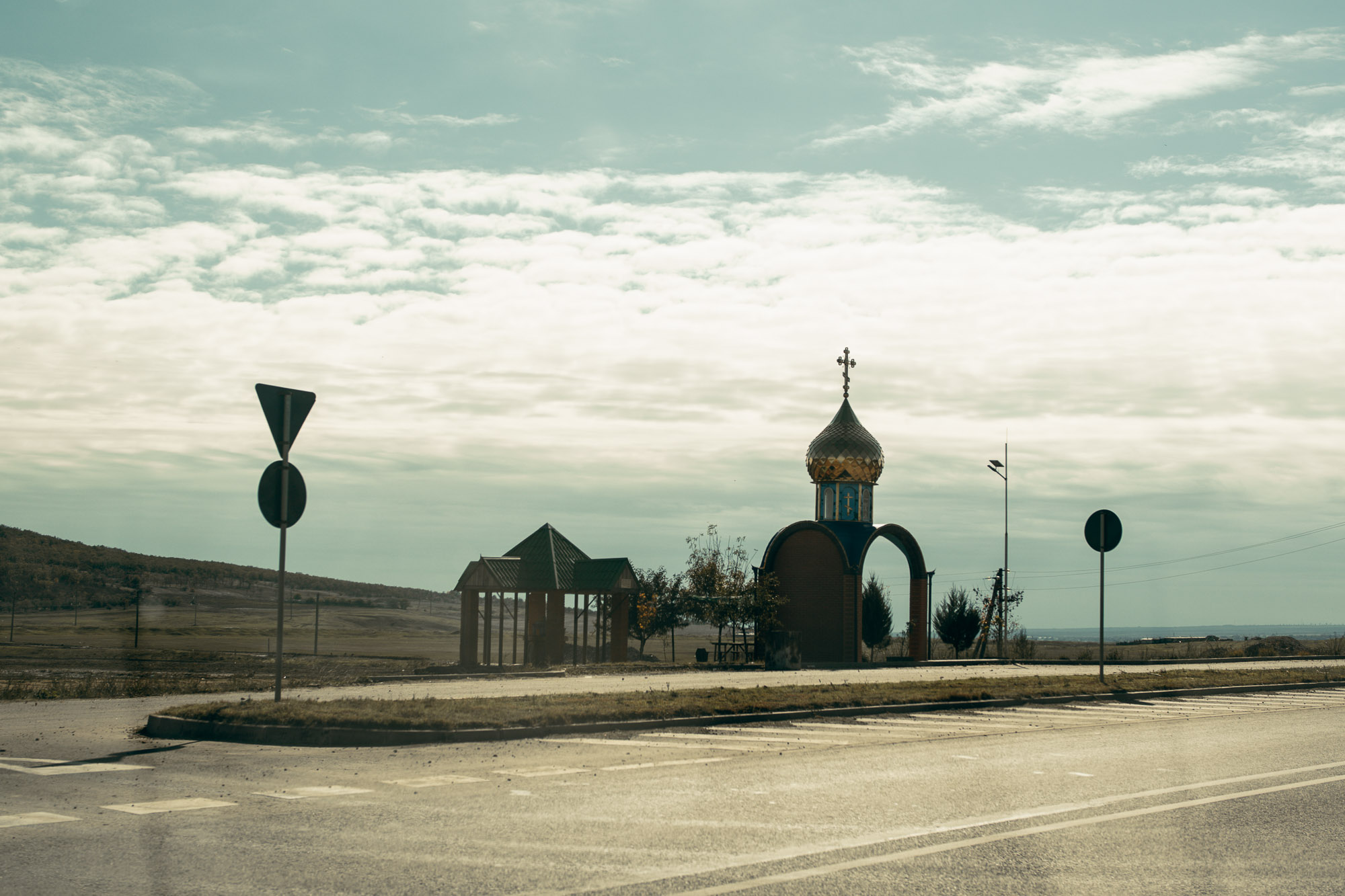

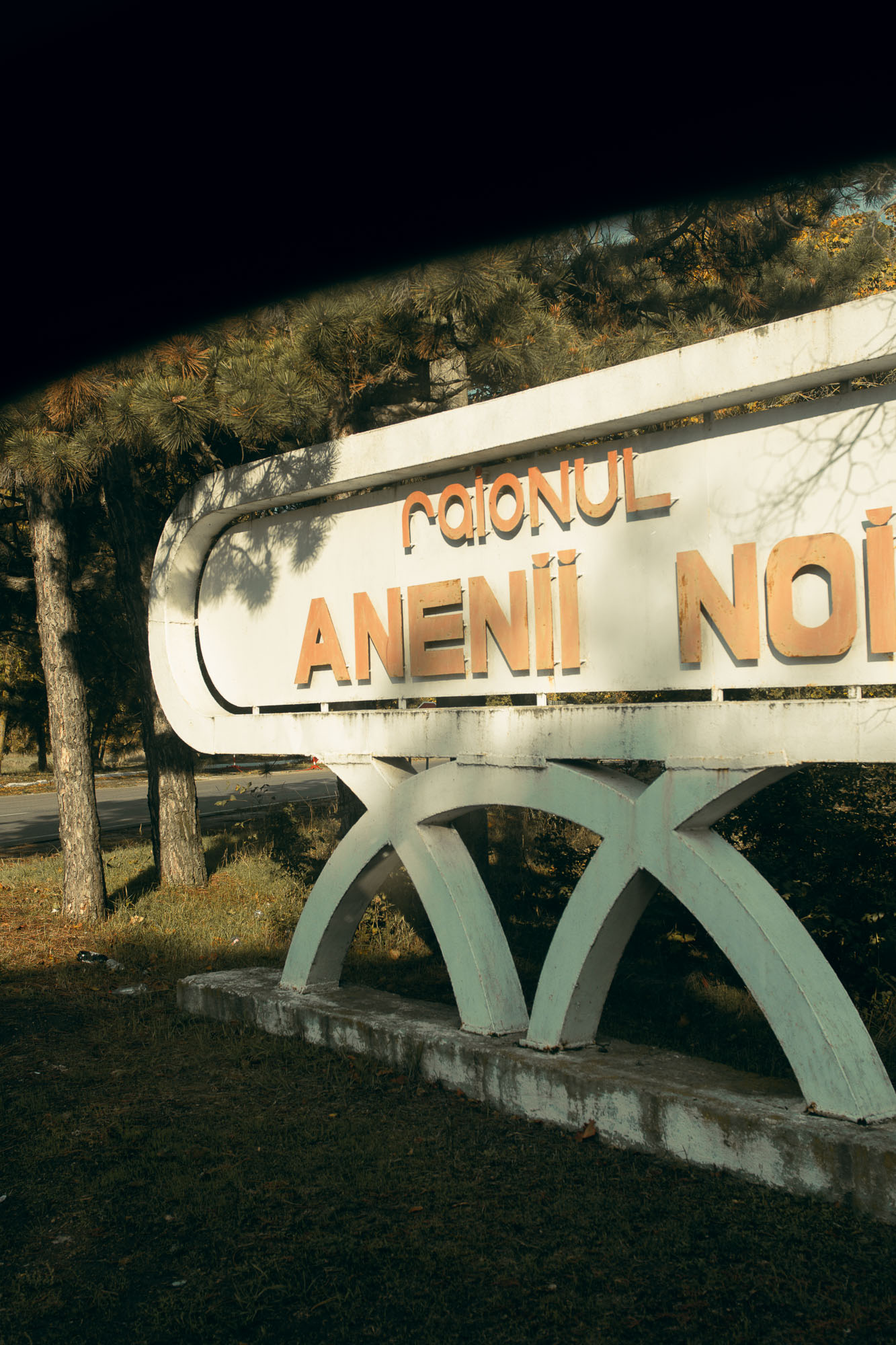
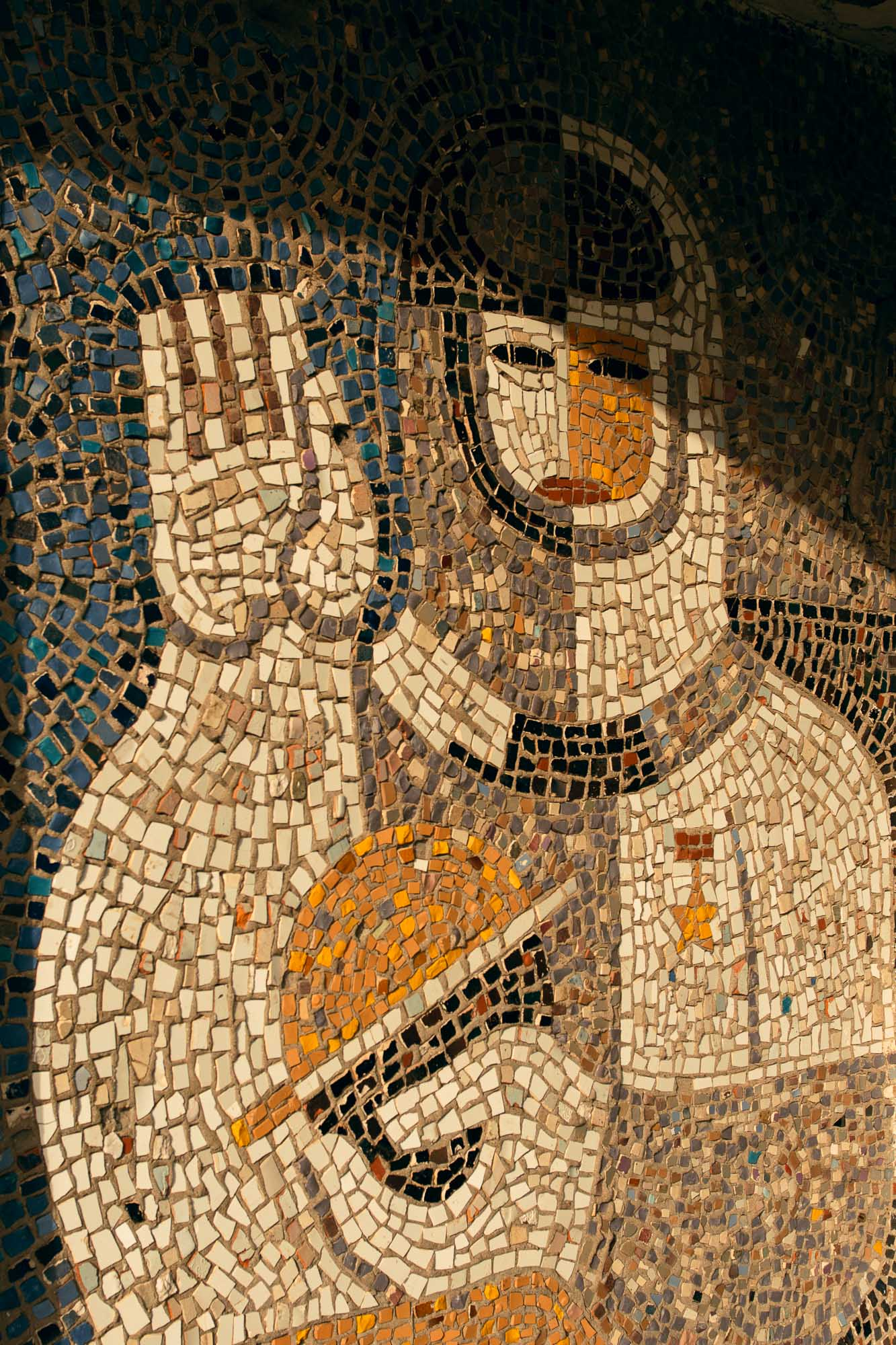
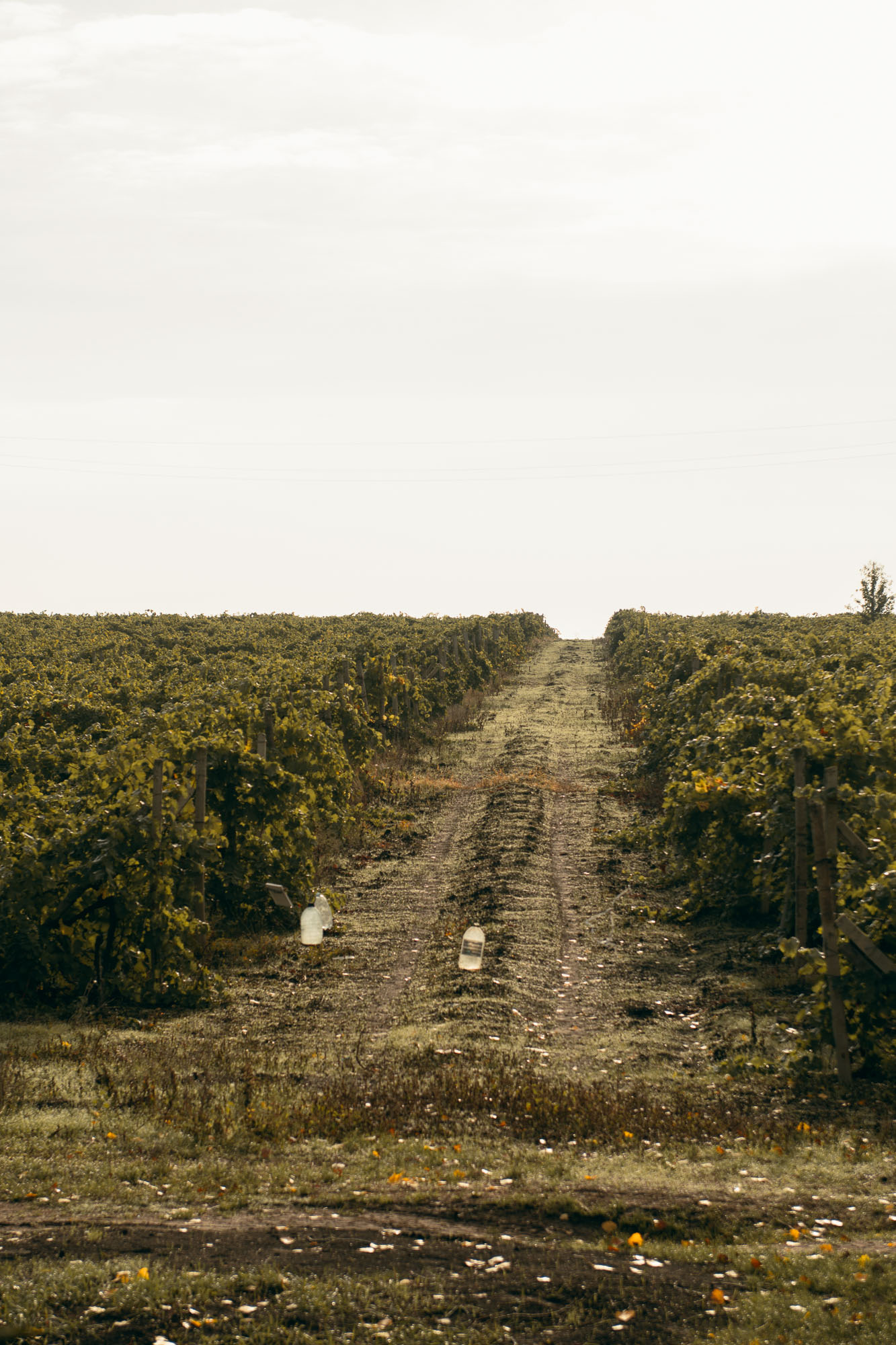
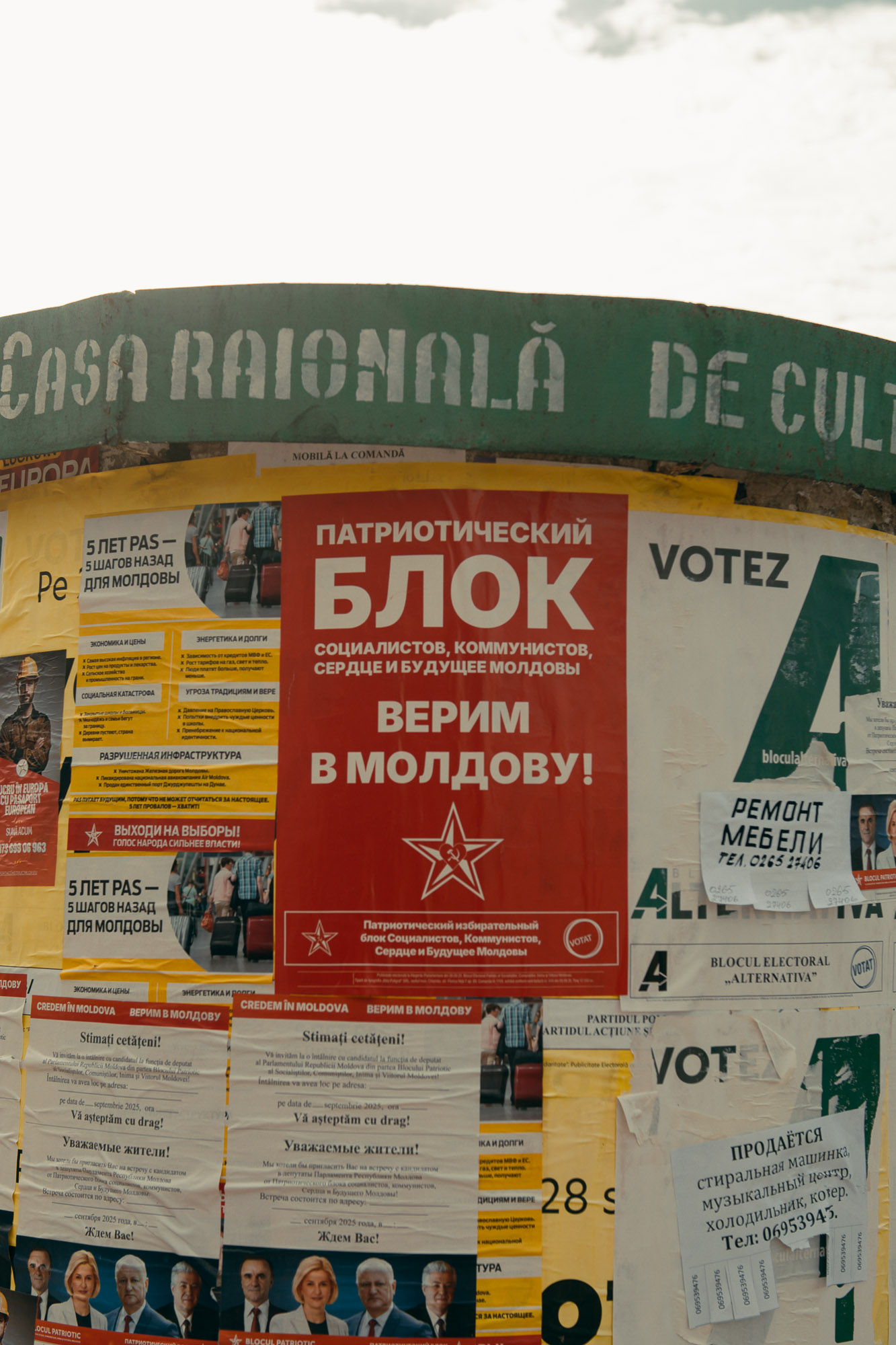
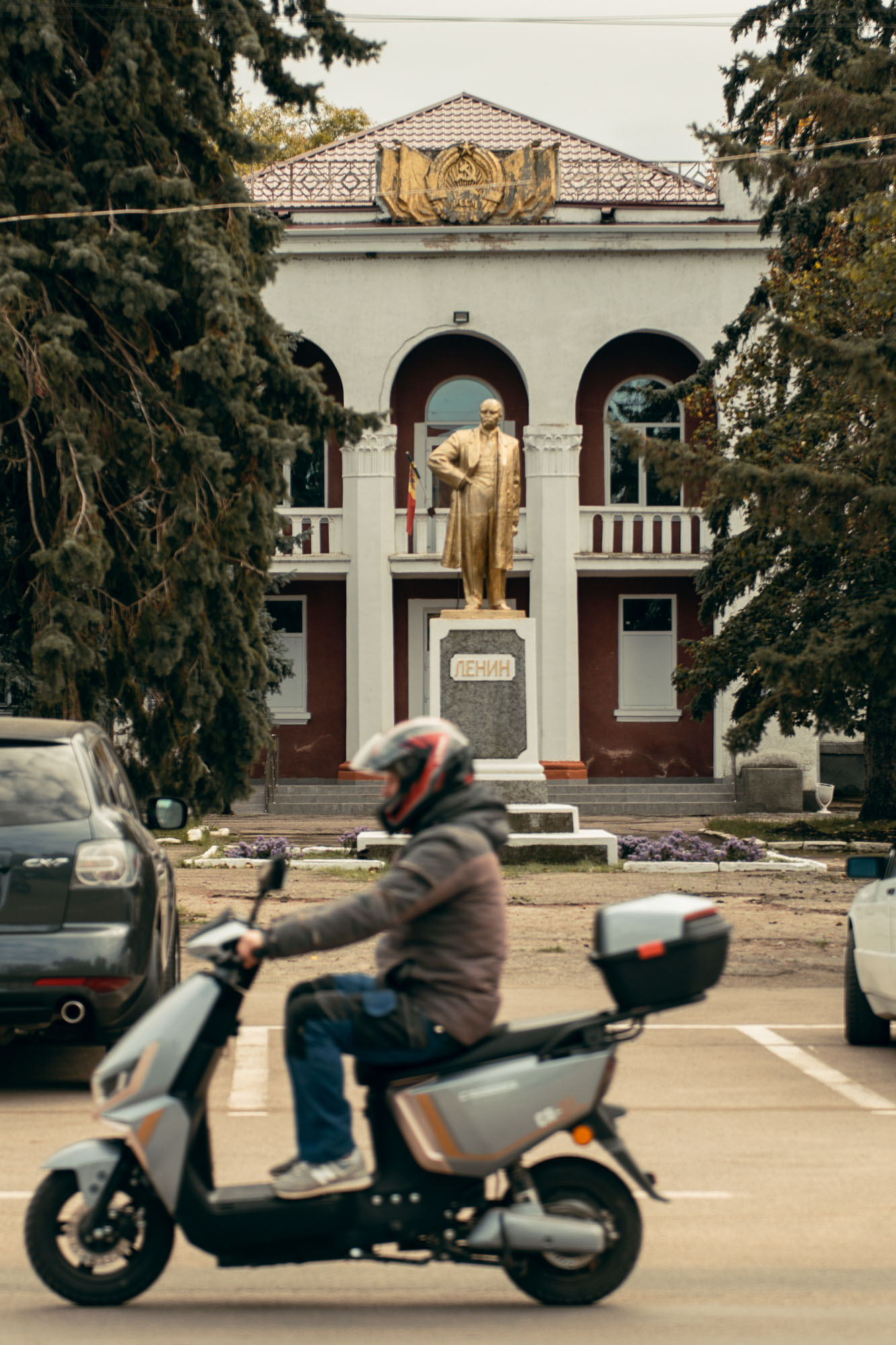
Another weird aspect is the actual statues of Lenin, Soviet stars, and other symbols — in a word, the stuff that is literally offensive for modern Eastern Europeans. Seeing signs and posters everywhere in Russian, hearing Russian music — thank god it left Ukraine for good (I hope).
Still, it was all sickeningly fascinating.
That’s it for Moldova. I’m very glad that six years later I could come back with Xavier, have a nice overview of the biggest part of the country, eat loads of mamalyga, drink some nice wine, have an insightful acquaintance with a local, and enjoy several cozy nights in our Robbie the van. Let’s cross the border and explore the South of Ukraine now, shall we?
Leave A Comment