

June 2018
So, there we were in the Ardennes on a half-work, half-vacation trip with several free days in between — and that’s when we had the idea of making an express visit to Champagne. After all, Champagne and the Ardennes used to be two parts of the same region, which is now united with several others into Grand Est. Champagne is one of the world’s most famous French words, thanks to its sparkling wine, which, according to appellation laws, can only be produced from grapes grown in this region.
So when you plan to visit Champagne, prepare for endless vineyards, Maisons de Champagne, and numerous tastings. All this makes Champagne a unique destination — not one of excitement, but of authenticity, the taste of an ancient tradition, and the tranquillity of a rural yet bourgeois area.
As our trip to Champagne was 100% spontaneous, we had no time whatsoever to plan it — not even roughly — but we didn’t need to worry, as the official site of Tourism in Champagne, as well as the local tourism office, provided all the necessary information, including the itineraries of various distances with brochure-guidebooks. It turned out to be something of a self-guided tour, where we discovered the region step by step from scratch. Unfortunately, the site’s English version doesn’t have all pages translated, so be prepared to use an automatic translator to view all the itineraries and places to see.

Transport
For this little road trip, we rented a car in Reims — a decision we soon bitterly regretted, as we would have much preferred a scooter or a bicycle (for a longer stay, naturally). Getting out of the car every two kilometres, after spending ages trying to find a suitable parking spot, was tiring, boring, and slightly nauseating. This is probably just our general attitude toward cars speaking, but in our opinion, Champagne deserves a slower kind of exploration — and a more thorough one.
Our trip didn’t include any visits to a Maison de Champagne, which we, once again, regret, but that’s one of the downsides of spontaneous travel: you have to accept the lack of advance bookings for accommodation and activities. As always, think about your lunch plans ahead of time by booking a table at the restaurant you want! Also, having a meal in provincial France after a certain hour (usually around 13:30) is next to impossible, which we, somehow, manage to forget every single time.
Itinerary
We took a map with several itineraries in Reims Tourism Office and more or less followed it before setting off to Troyes. Our whole itinerary is here.

Reims
The capital of the region, Reims is a beautiful and pleasant town. In fact, it feels like a smaller version of Paris, with its Art Déco architecture and distinctive colours. The main sightseeing attraction in Reims is the magnificent Gothic cathedral — Notre-Dame de Reims, built in the 13th century. Just think — all the Kings of France were crowned in this very place, including those from the darkest parts of the Middle Ages! Besides, we were just in the middle of reading Maurice Druon’s saga about The Accursed Kings, so it was a particularly touching moment. The cathedral is not only a masterpiece of High Gothic architecture but also features stunning stained glass windows, including modern ones designed by Marc Chagall.
Unfortunately, we missed the evening light show projected onto the cathedral’s façade — but make sure you don’t miss it!
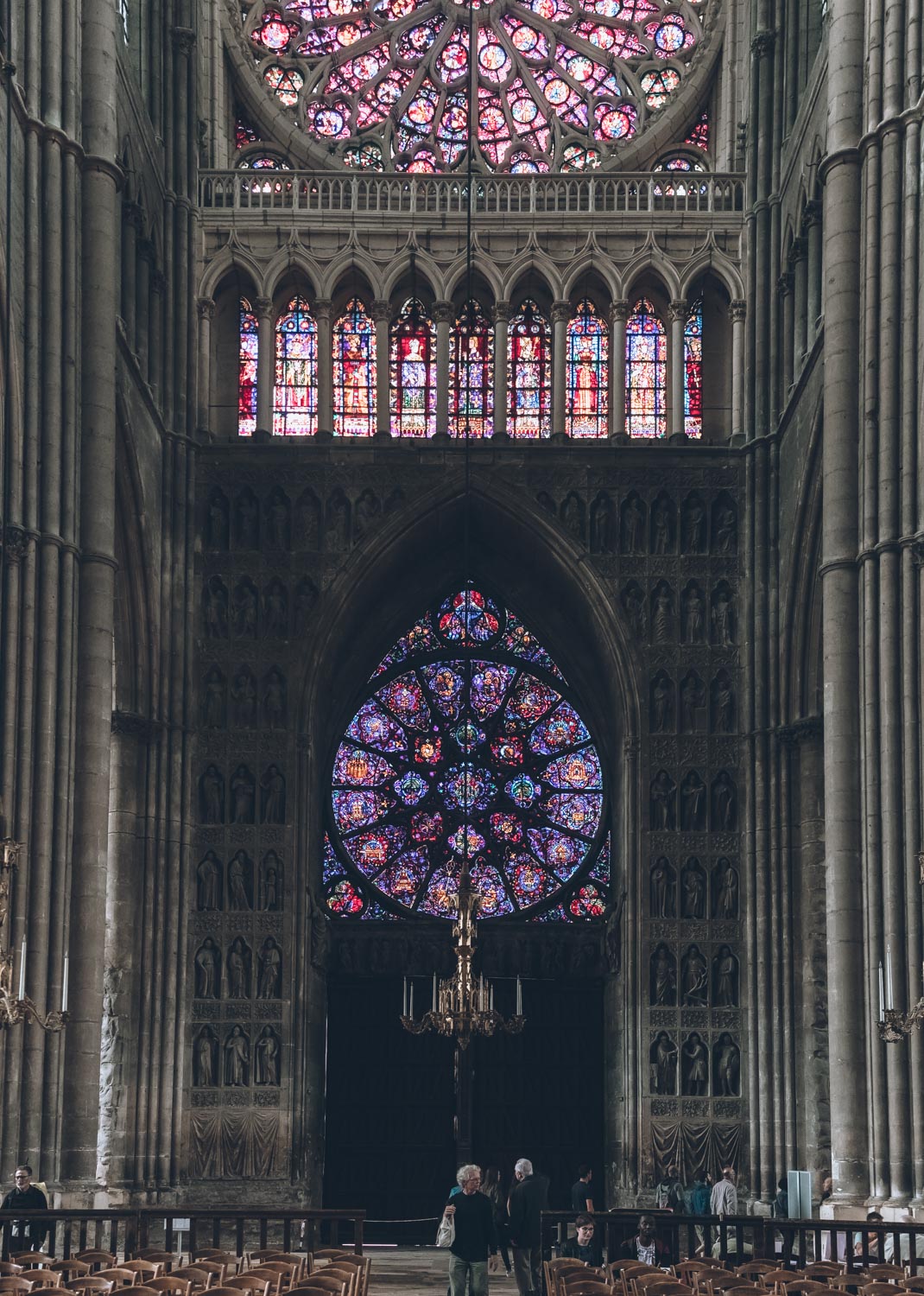
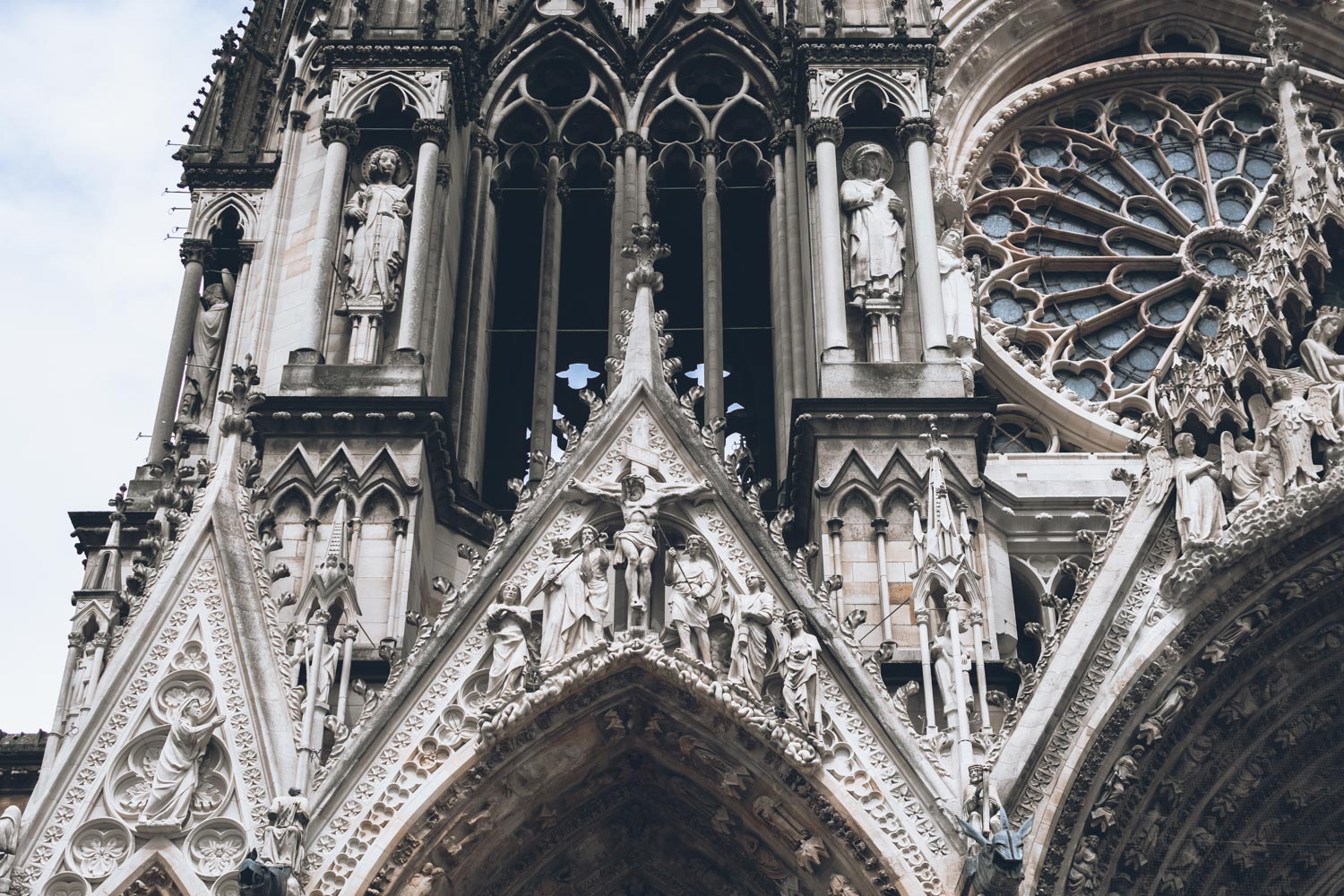
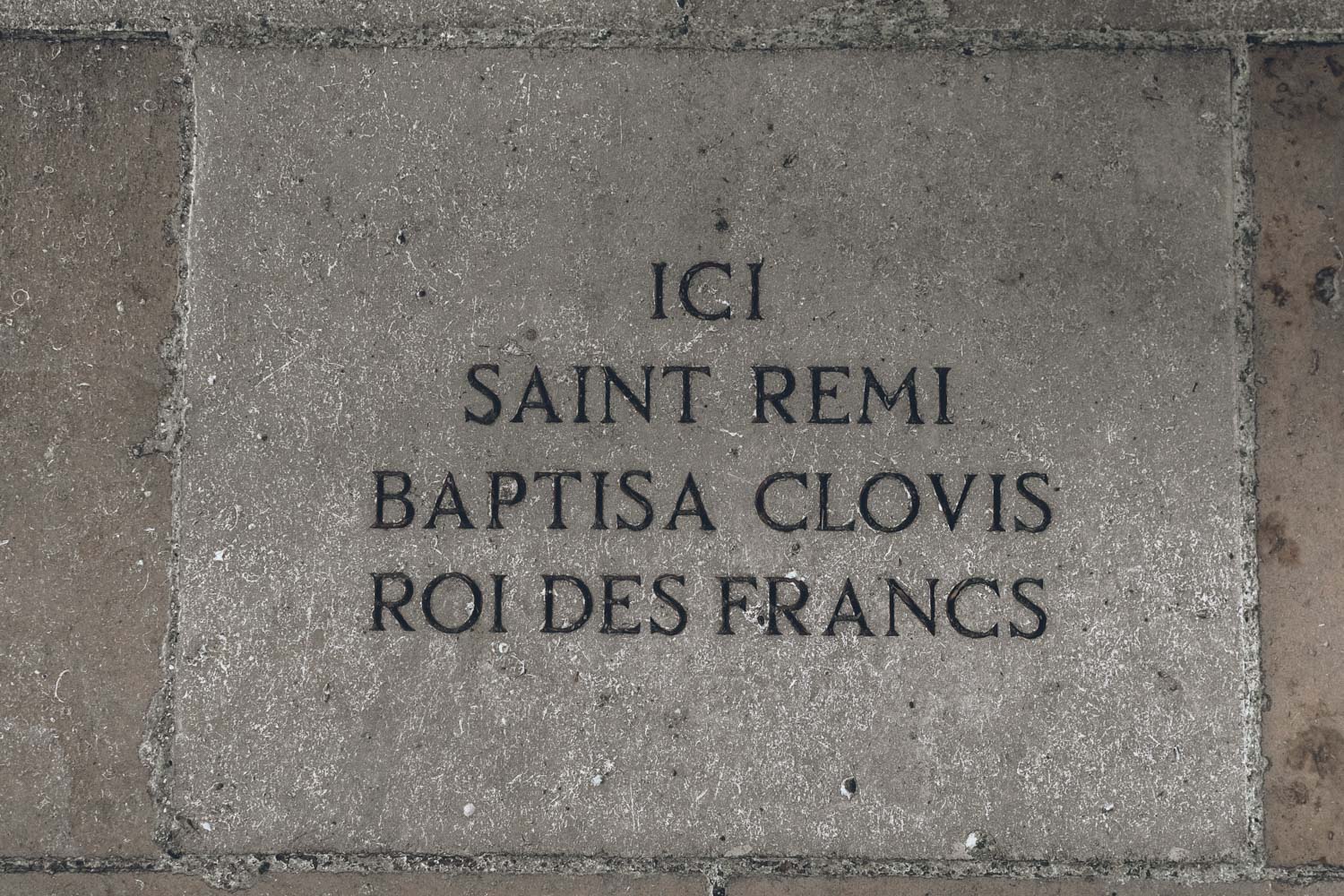


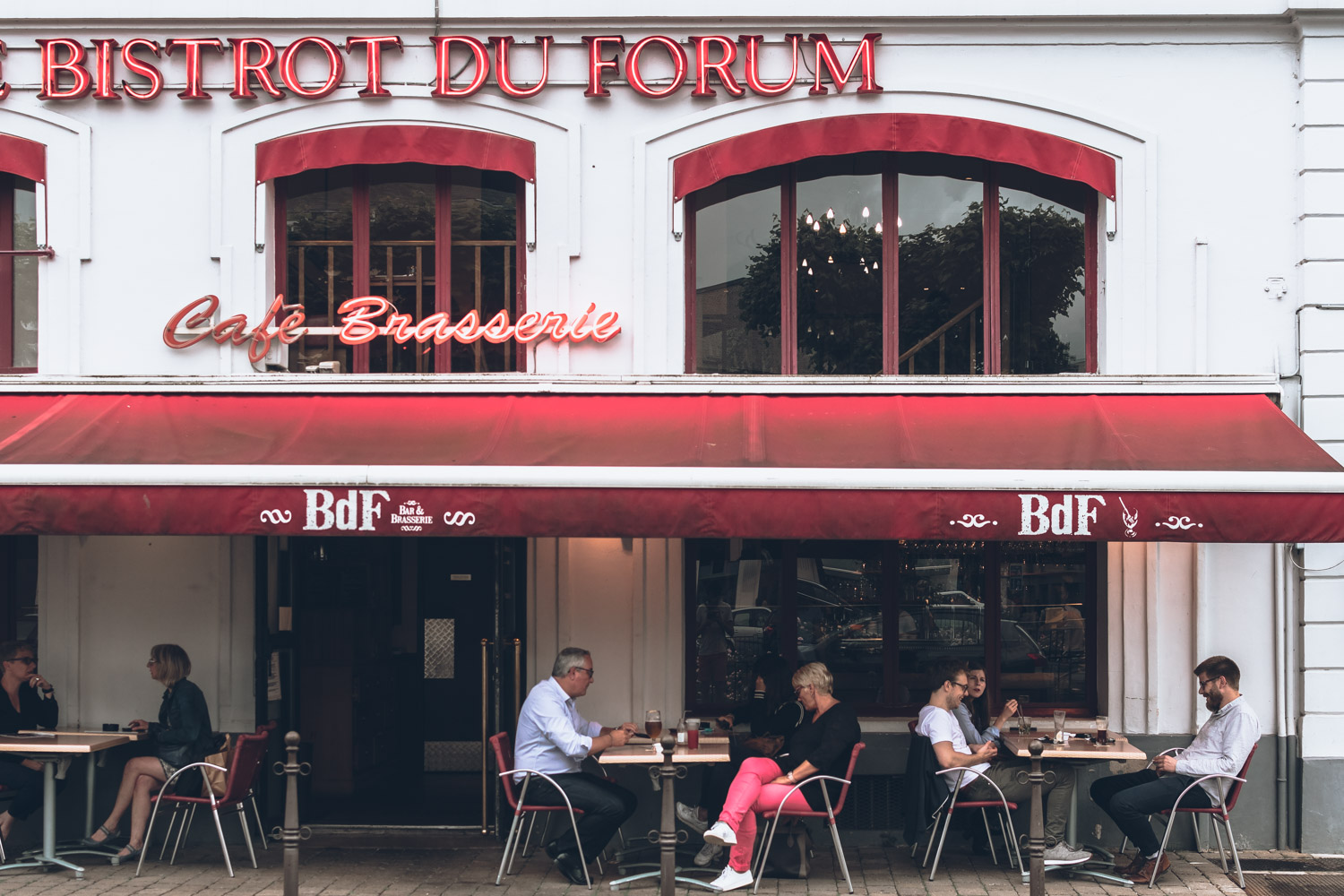
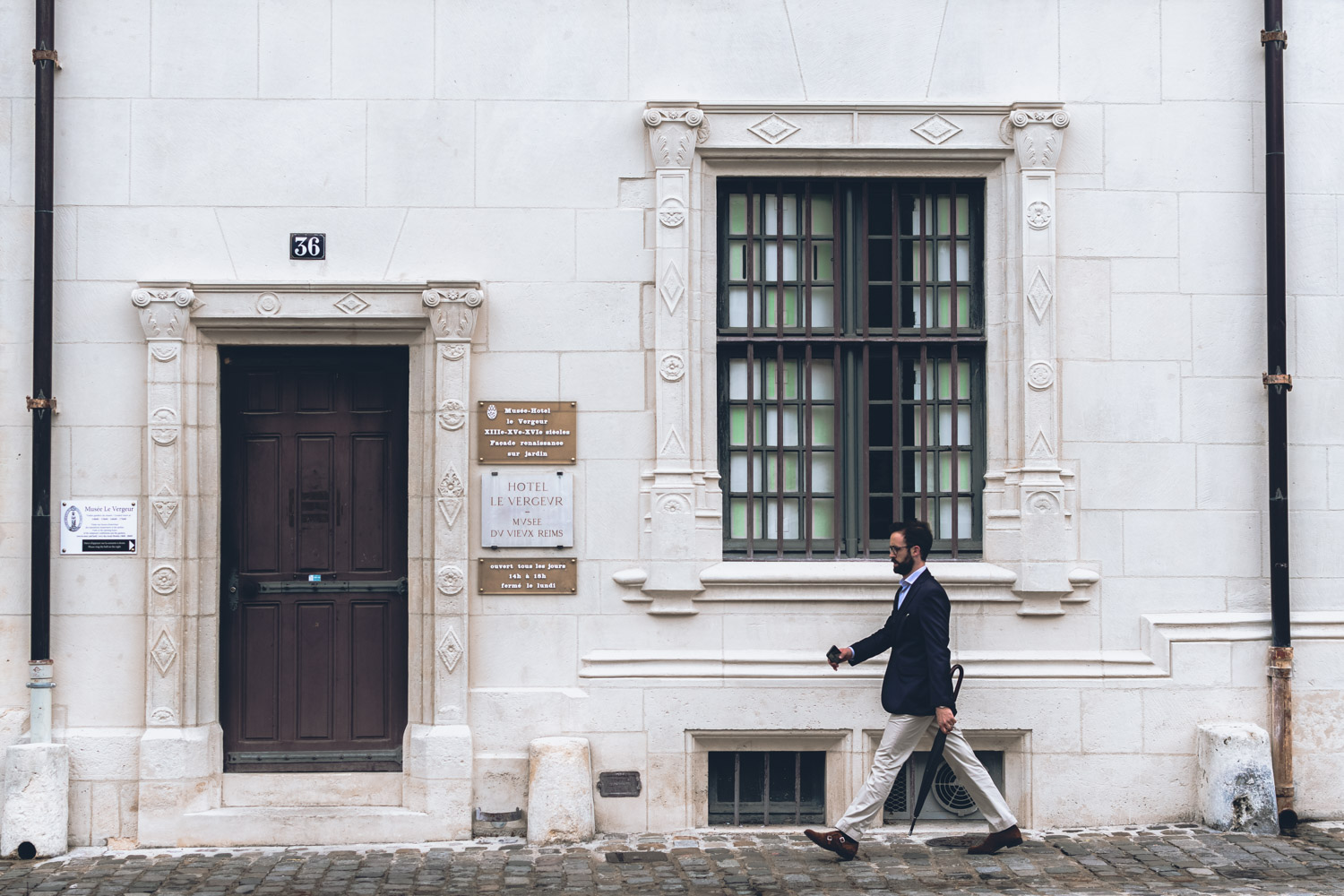
We liked Reims. It’s a quiet yet bourgeois town with some truly beautiful examples of architecture. History enthusiasts will definitely appreciate the Reims Cathedral — not only for its historical significance but also for the manageable number of visitors. Unlike at the Notre-Dame in Paris, you don’t have to move through the crowd as if you were stuck in the subway during rush hour.


Champagne Vineyards
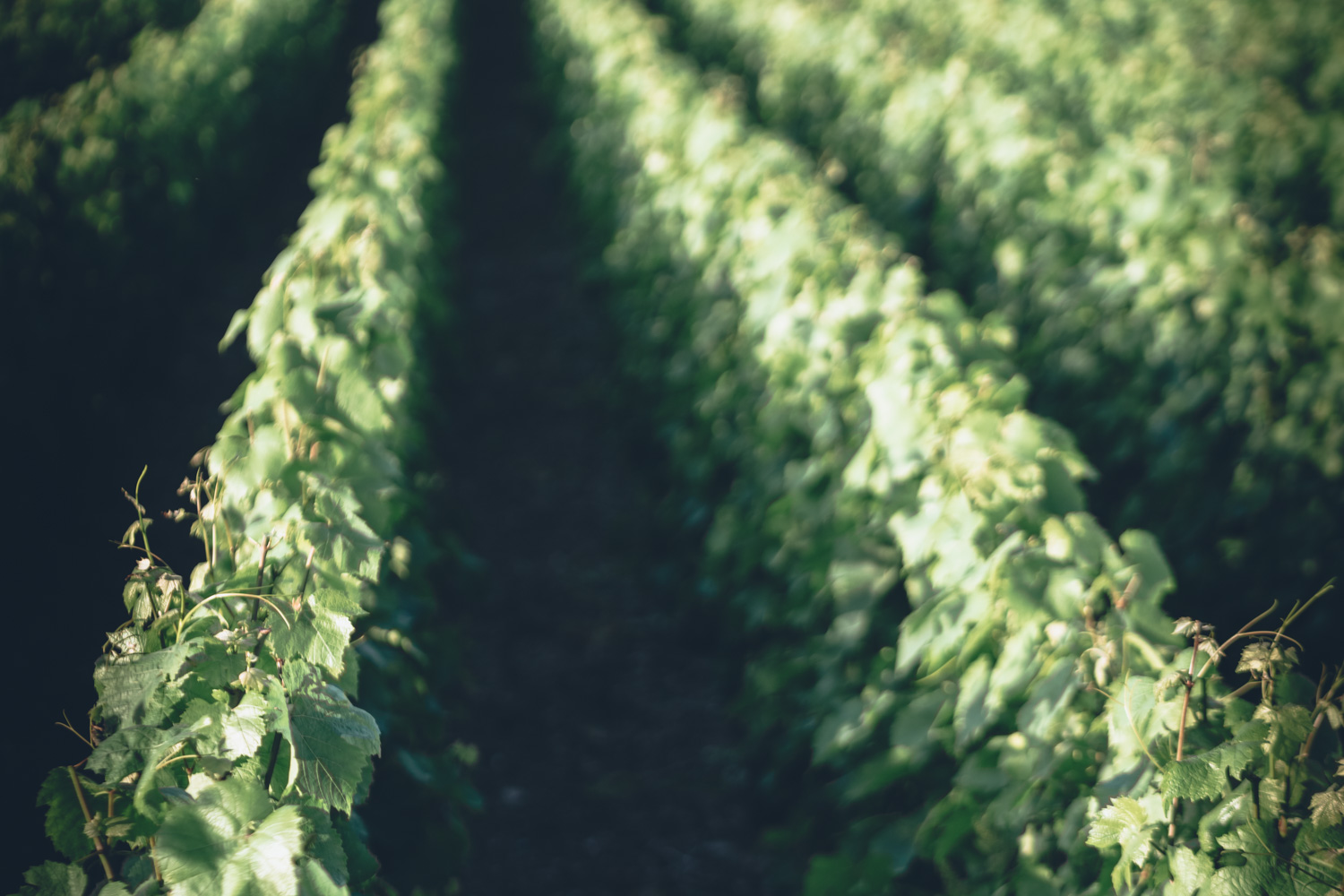
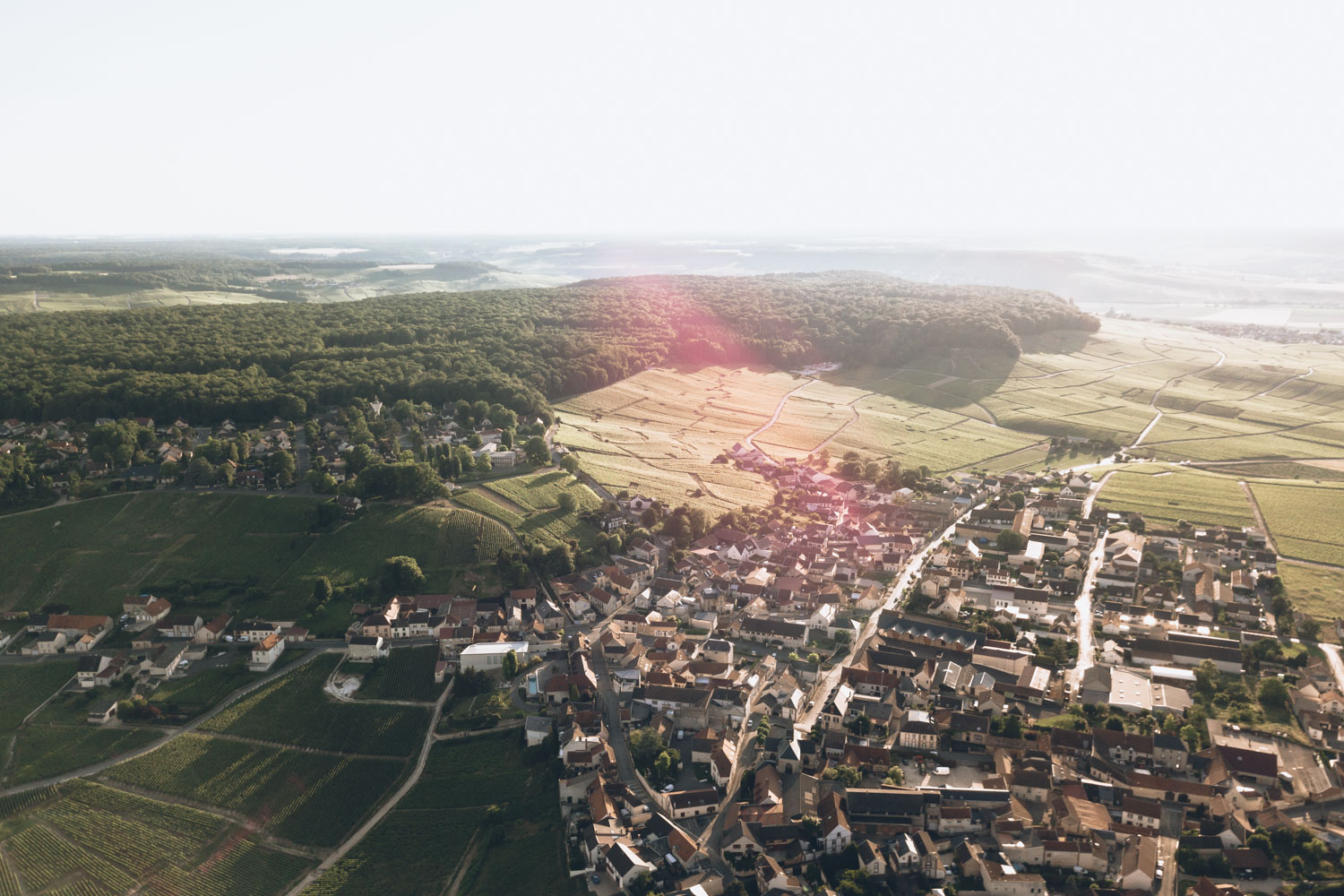
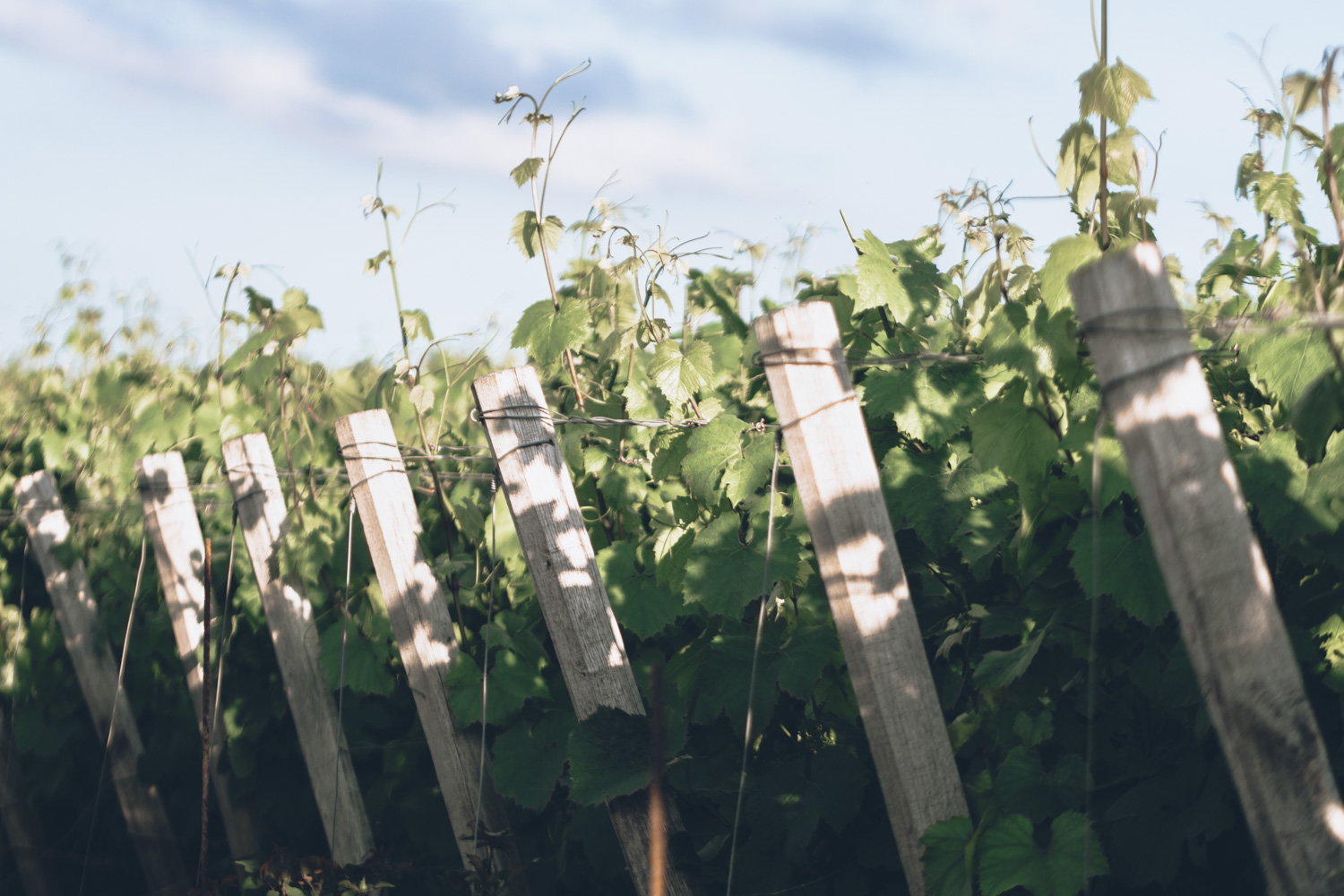
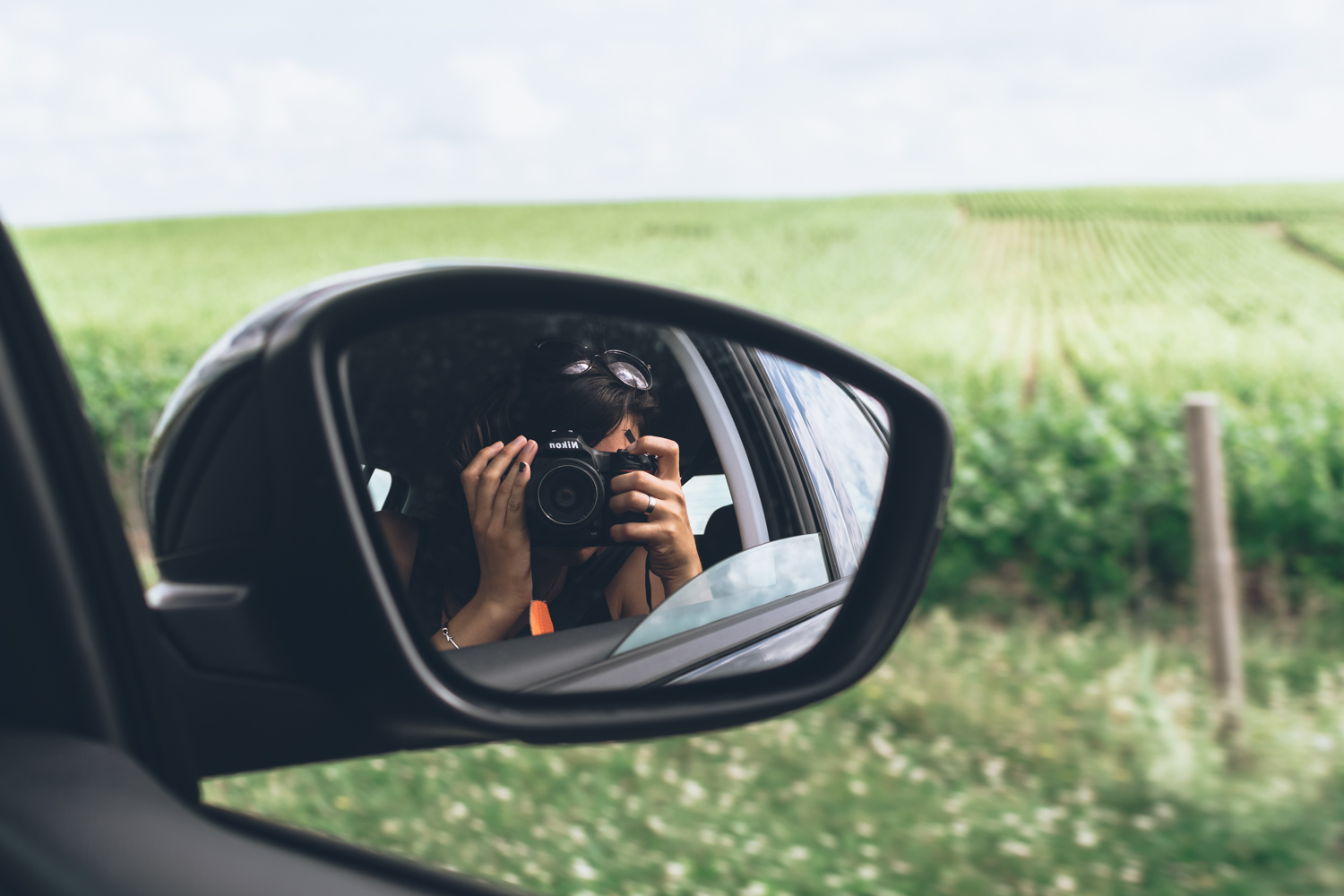
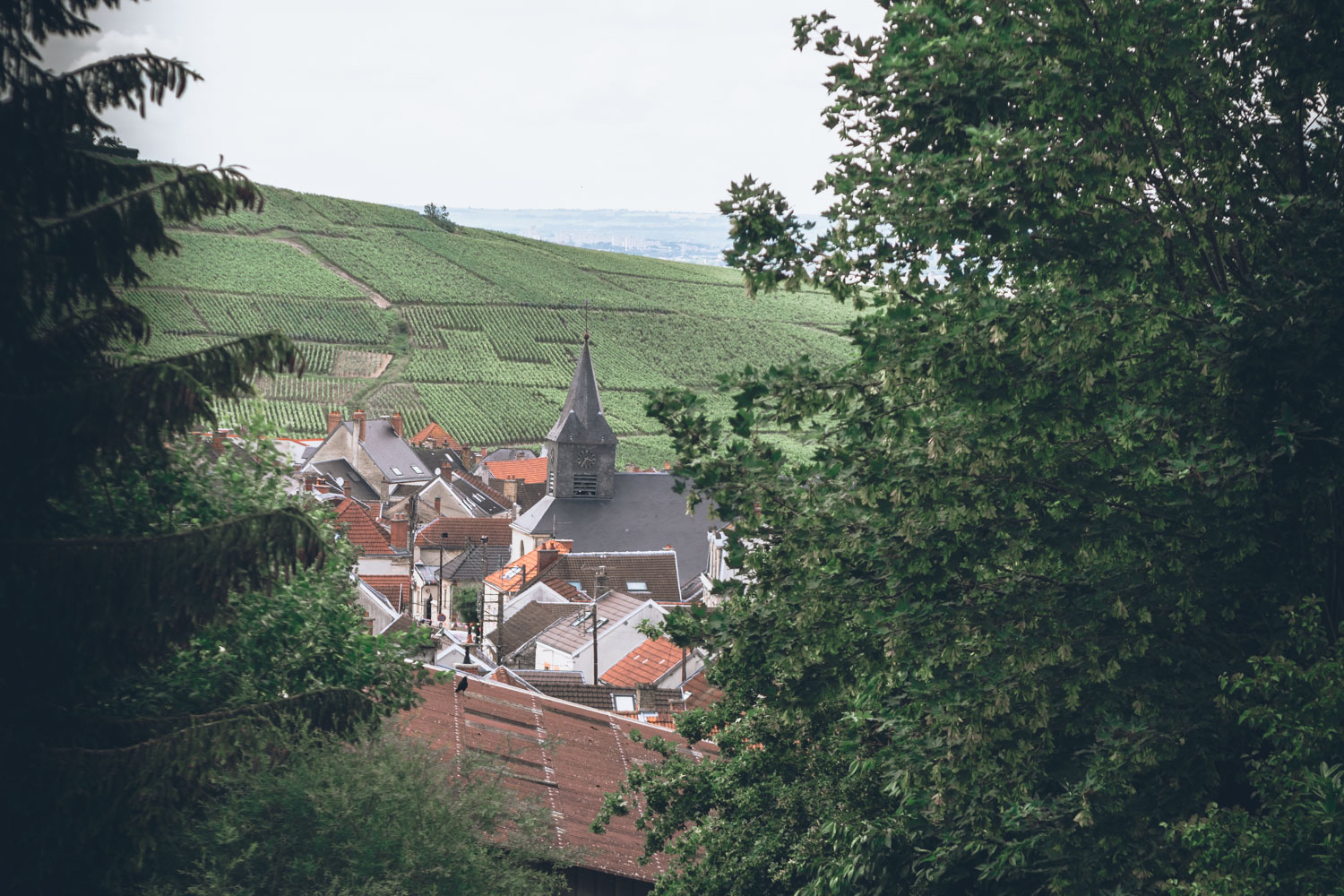
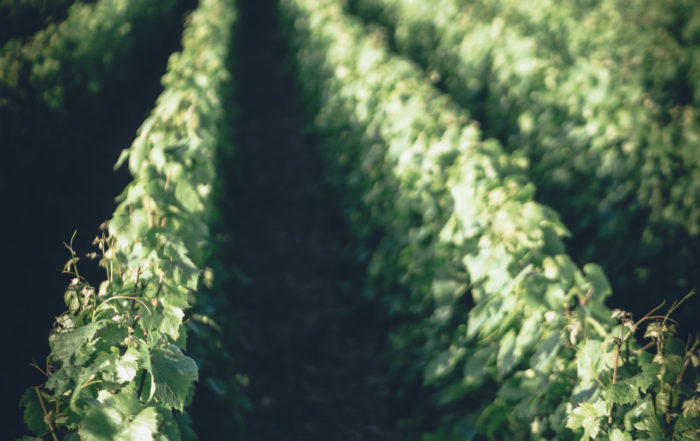
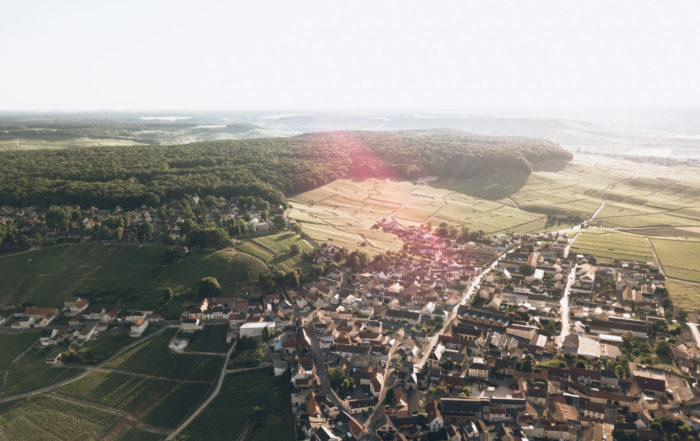
Once we had rented a small car, off we went — following the vineyard itinerary through strikingly beautiful fields and winding roads, occasionally passing specialized tractors and cozy villages whose sole activity is Champagne production. Stop wherever you like, walk into any Maison de Champagne you choose, and enjoy the ultimate drink along with the personal stories told by the owners themselves. Alternatively, you can visit the Reims Tourism Office to get contacts for local Champagne producers and arrange private visits and tastings. JUST NOT ON SUNDAY.
We were surprised to discover how little these villages are designed for visitors — or even for their own inhabitants. Some don’t even have pavements. However, given how quiet and traffic-free they are, there’s really no danger at all.




We made one major stop in Verzenay, where we visited the lighthouse —Phare de Verzenay. “What’s a lighthouse doing in the middle of the vineyards?” you might ask. Well, it was actually a clever marketing move by a Champagne trader, meant to draw attention to his Maison de Champagne. Today, the lighthouse houses a museum dedicated to — you guessed it — Champagne production. 
Climb the 101 steps to the top for a stunning view over the vineyards and countless surrounding villages. Entry costs €9 for both the museum and the lighthouse, €8 for just the museum, and €3 for lighthouse access only. (In 2018)
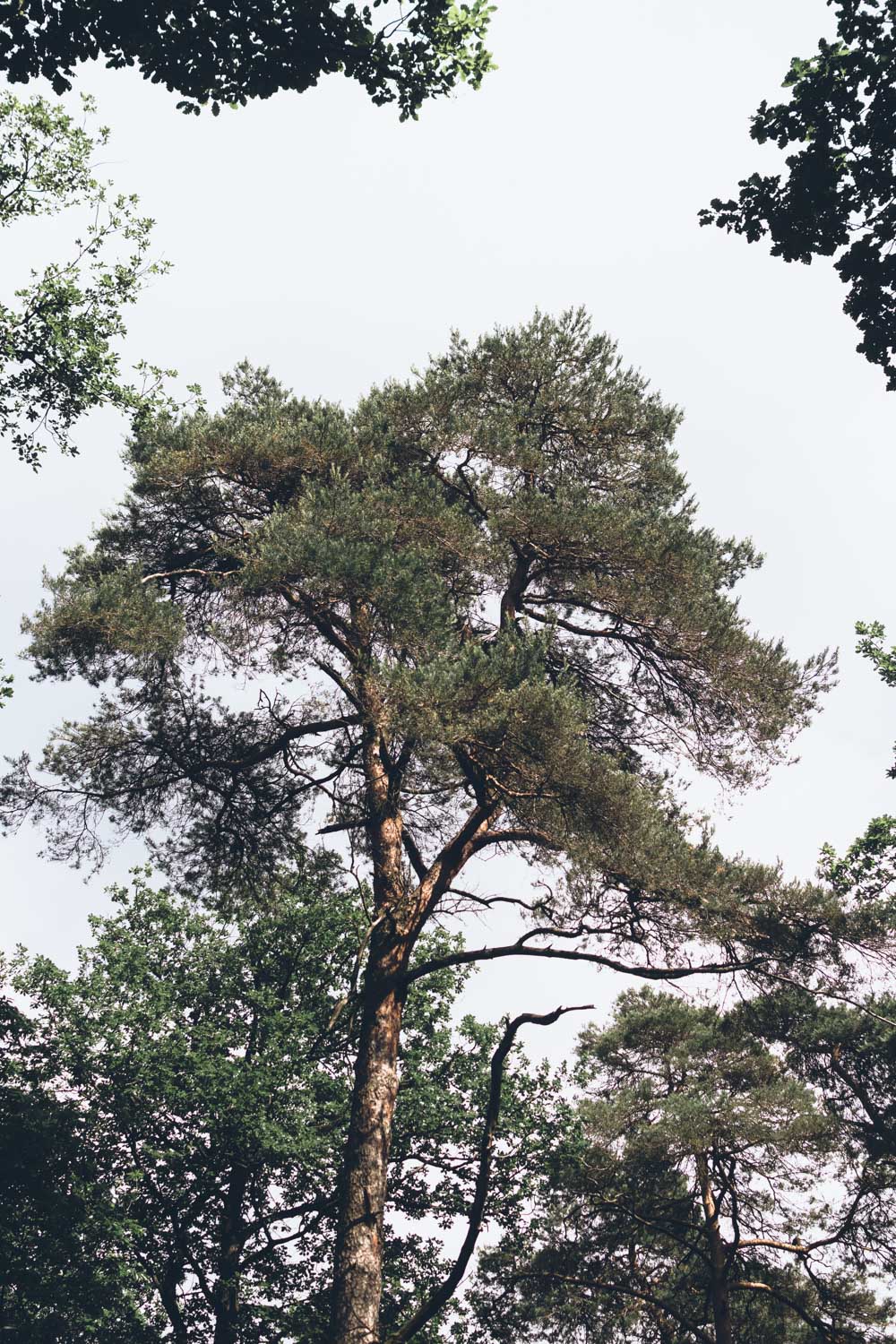
Just three kilometres further, there’s another spot well worth a stop: Les Faux de Verzy. In a 29-hectare forest near Verzy grows a rare and curious natural phenomenon — twisted dwarf beeches (not oaks or chestnuts, though they look like them!). If you have even a spark of curiosity about how nature works, it’s a must-see. And even if not — an hour-long walk in a peaceful forest? Who could say no to that?



Epernay
Épernay was a town we were both looking forward to, mainly because of its famous Avenue de Champagne — a 1,500-meter-long street lined with some of the biggest Maisons de Champagne, like Moët & Chandon and Perrier. Palace after palace, strolling along the Avenue de Champagne is a very French-postcard experience.
Most Maisons de Champagne have a bar where you can taste this iconic sparkling wine in every form and style — exactly what we did. For €20, we sampled four different types of Champagne at one of them, only to confirm the sad truth: we are total dummies when it comes to Champagne, as the only difference we could really detect was the taste of the biscuits served as a snack. 😃
Don’t miss climbing the Tour de Castellane for a splendid view over the city and the Marne Valley.


Troyes
Troyes is a large city located in a different department of the Champagne region, but we wanted to see it badly enough to go that far. That’s why we went there even if it’s a bit further from the area we were in the middle of exploring.
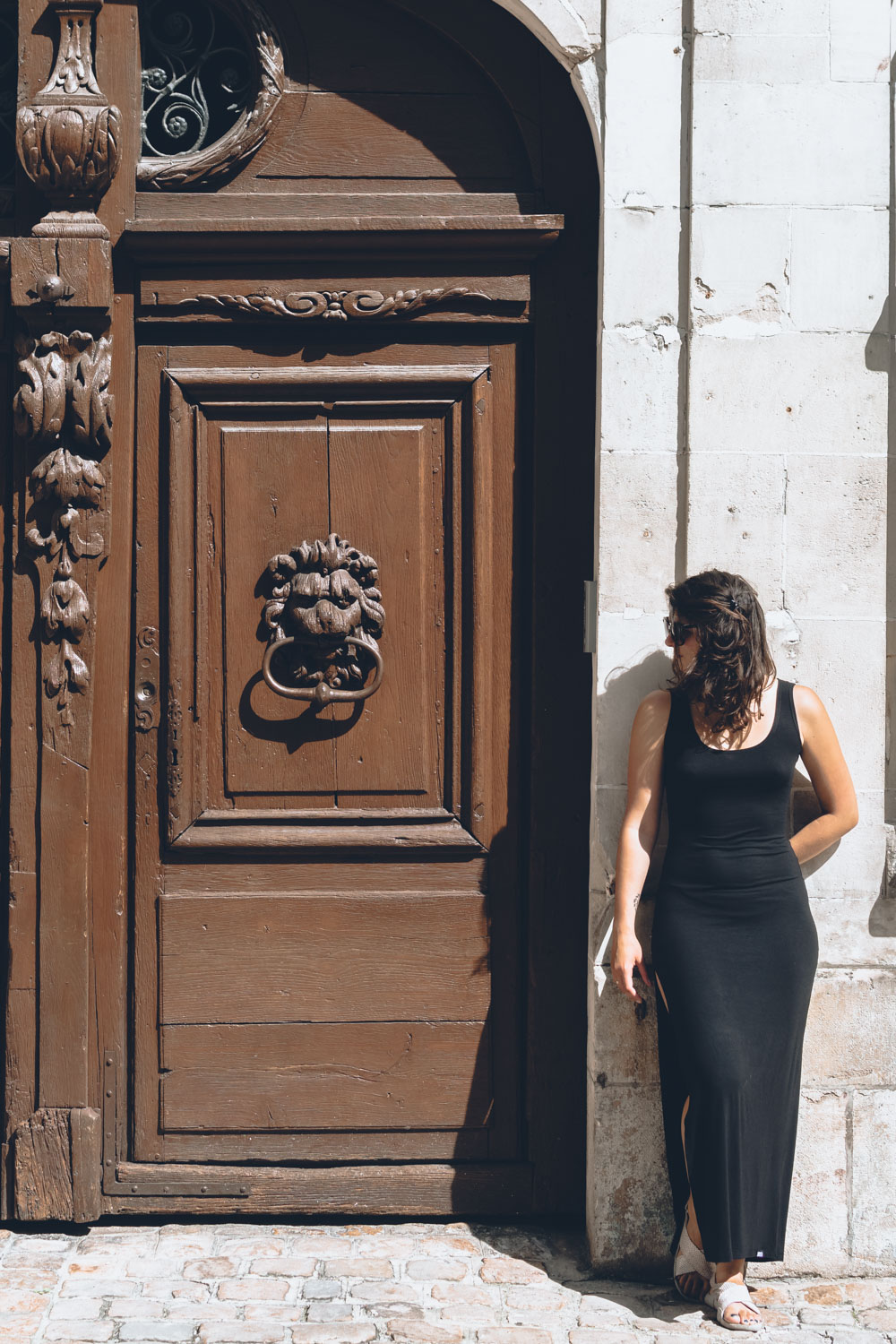
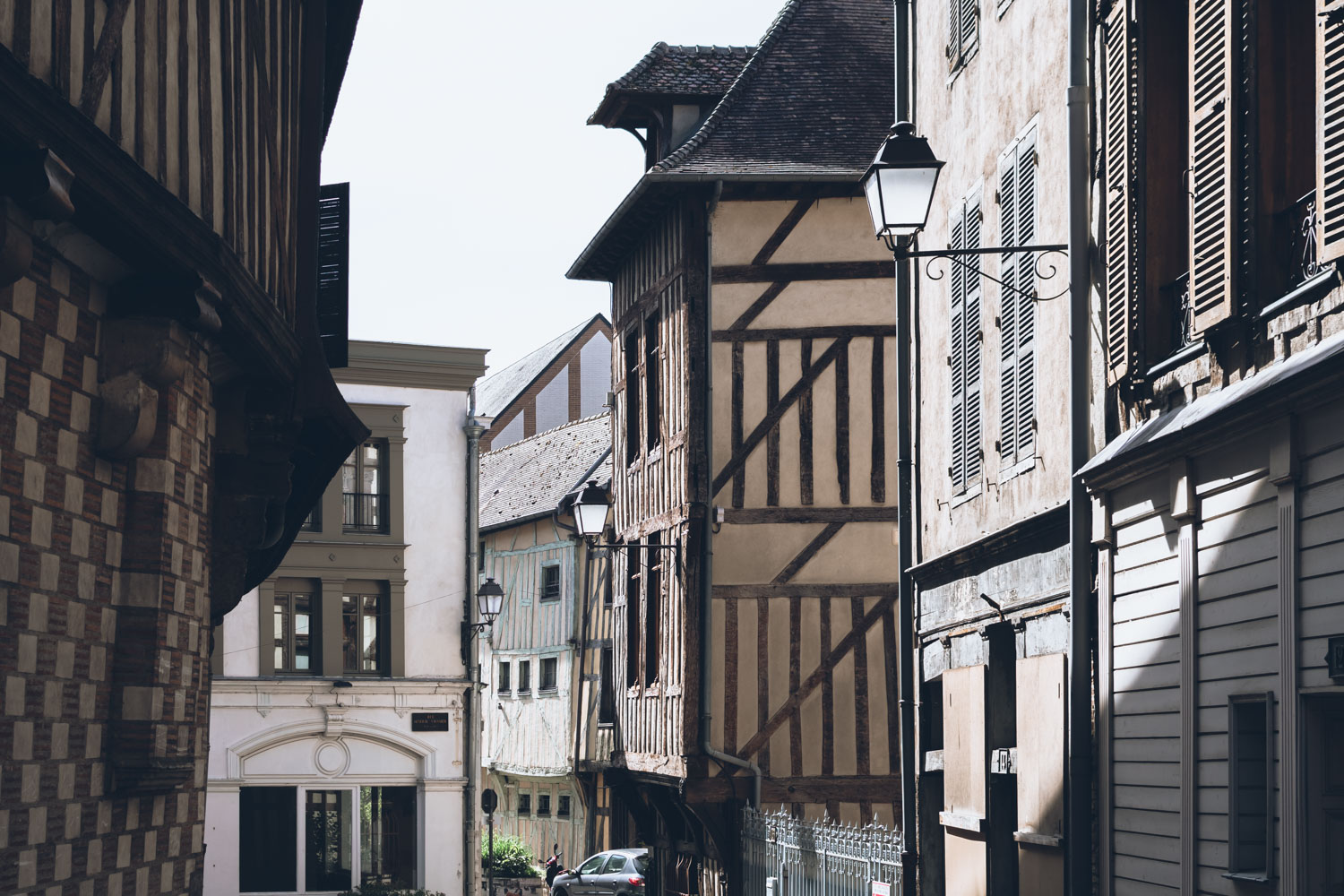
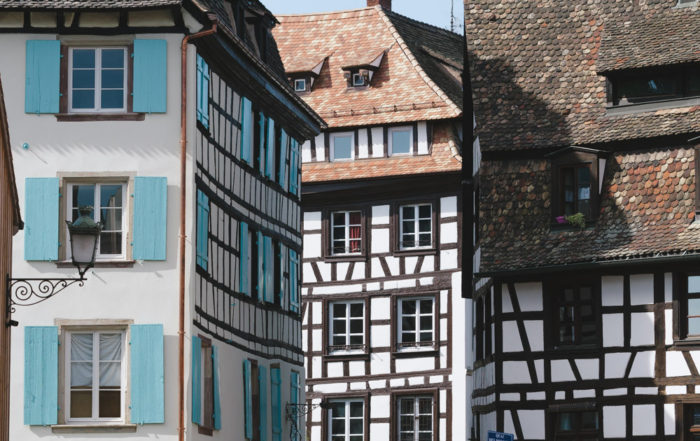
As our guidebook said, Troyes deserves a dedicated trip to the Aube department, and we couldn’t agree more. A historic capital of Champagne, Troyes boasts the largest number of half-timbered houses in France, most of them dating back to the 16th century.
It also holds a peculiar record — the highest number of religious monuments per inhabitant. The Old Town of Troyes is truly impressive, with its intricate details, colorful façades, cozy courtyards, and charming signs. Make sure to get there early enough to enjoy it before the crowds of tourists arrive.





We left Champagne with a strong feeling of dissatisfaction. We had a good preview by visiting and sampling the region’s highlights, but, as usual, we discovered just how much remains undiscovered: charming towns and parks, natural reserves, World War monuments, as well as sports and cultural activities.
The weekend was packed with impressions, but our wanderlust couldn’t cope with all those possibilities paired with a total lack of time. At least three more days and a different mode of transport — then it would have been perfect! Don’t make our mistakes !


Pin it!

Leave A Comment