

October 2025
Five days in Moldova passed very fast, and here comes the second part of this trip. The south of Ukraine, which both Xavier and I knew quite badly. For years, Xavier had been dreaming of visiting Bessarabia — the left “leg” of Ukraine if seen on the map. In the previous post, I was talking about Moldova, which was historically part of Romania. Well, Bessarabia is historically part of Moldova. Redividing countries is not the subject I want to push, but let this stand as a historical fact.
Travelling in Ukraine has never been an easy thing, for many reasons. For years, there has been a kind of common belief that “there is nothing to see in Ukraine,” which is, naturally, not true. However, what is true is that we have poor tourist infrastructure, poor service (even though this is open to debate), and often prices not far from those in the EU, but that do not match the quality (this struck me particularly in ski resorts). Besides, Ukraine is HUGE, its roads are far from perfect, and to crown it all — there is a war. The latter means that some places are simply dangerous to be in, certain roads and bridges are destroyed, and some areas are inaccessible because they are used for military purposes. Add to this regular document checks, vehicle inspections, and all other sorts of controls — especially in the south.
In a word, travelling in Ukraine, particularly these days, is very far from usual European tourism with a well-defined itinerary, predictable transport, and restaurants chosen in advance. So my main purpose here is to document this trip for ourselves, as I take no responsibility for suggesting this itinerary to anyone. Consider it simply a travel report.
Bolhrad – Izmail
So, the ordeal started when we reentered Ukraine — the Ukrainian security service called us in for an interview, and although I hated this experience, there was an interesting feeling to observe: the feeling of being guilty while knowing perfectly well that you’ve done nothing wrong. Like trembling in front of ticket control officers while holding your ticket all the way along. Also, who could have thought it would be so exhausting!
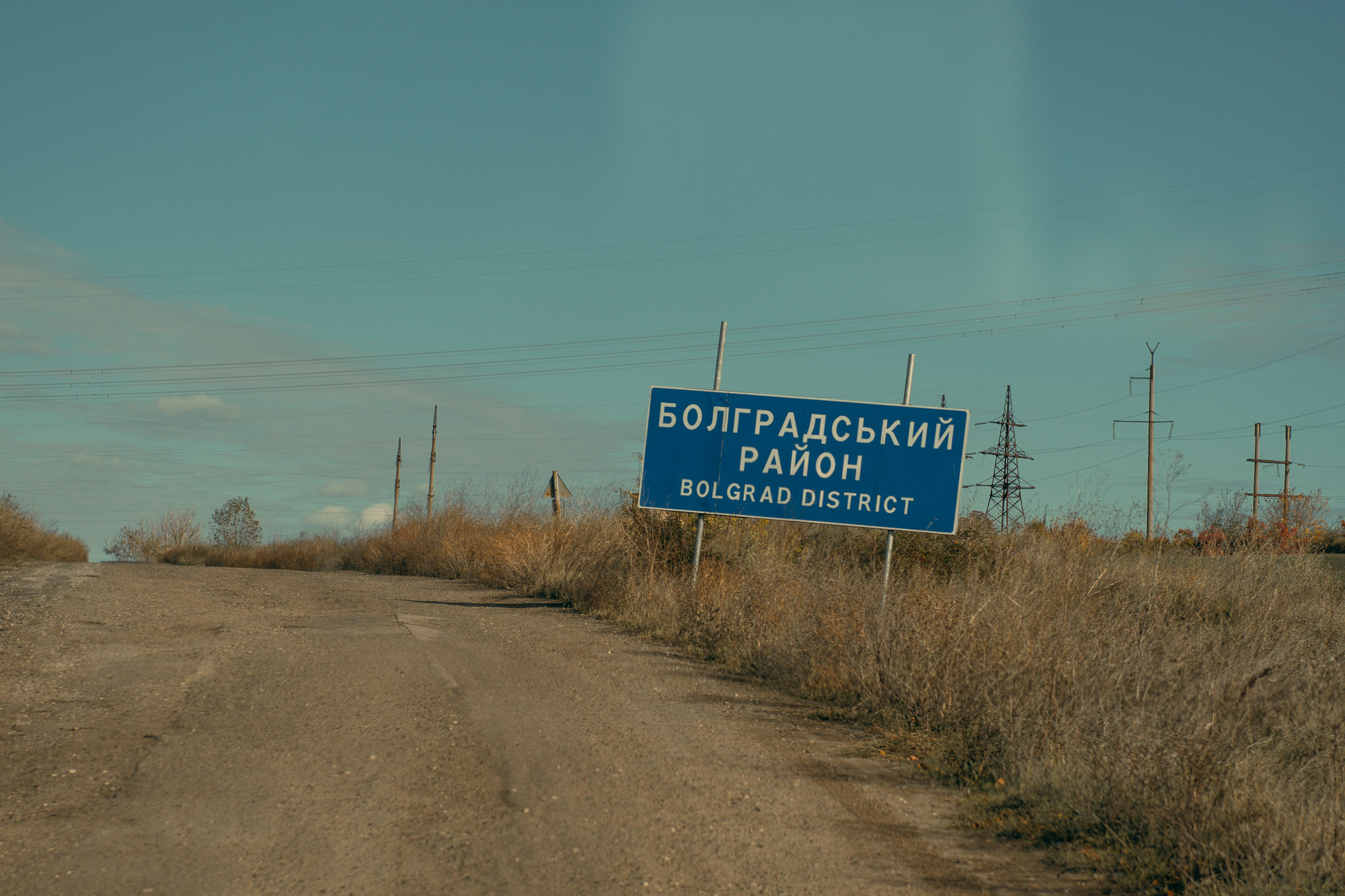

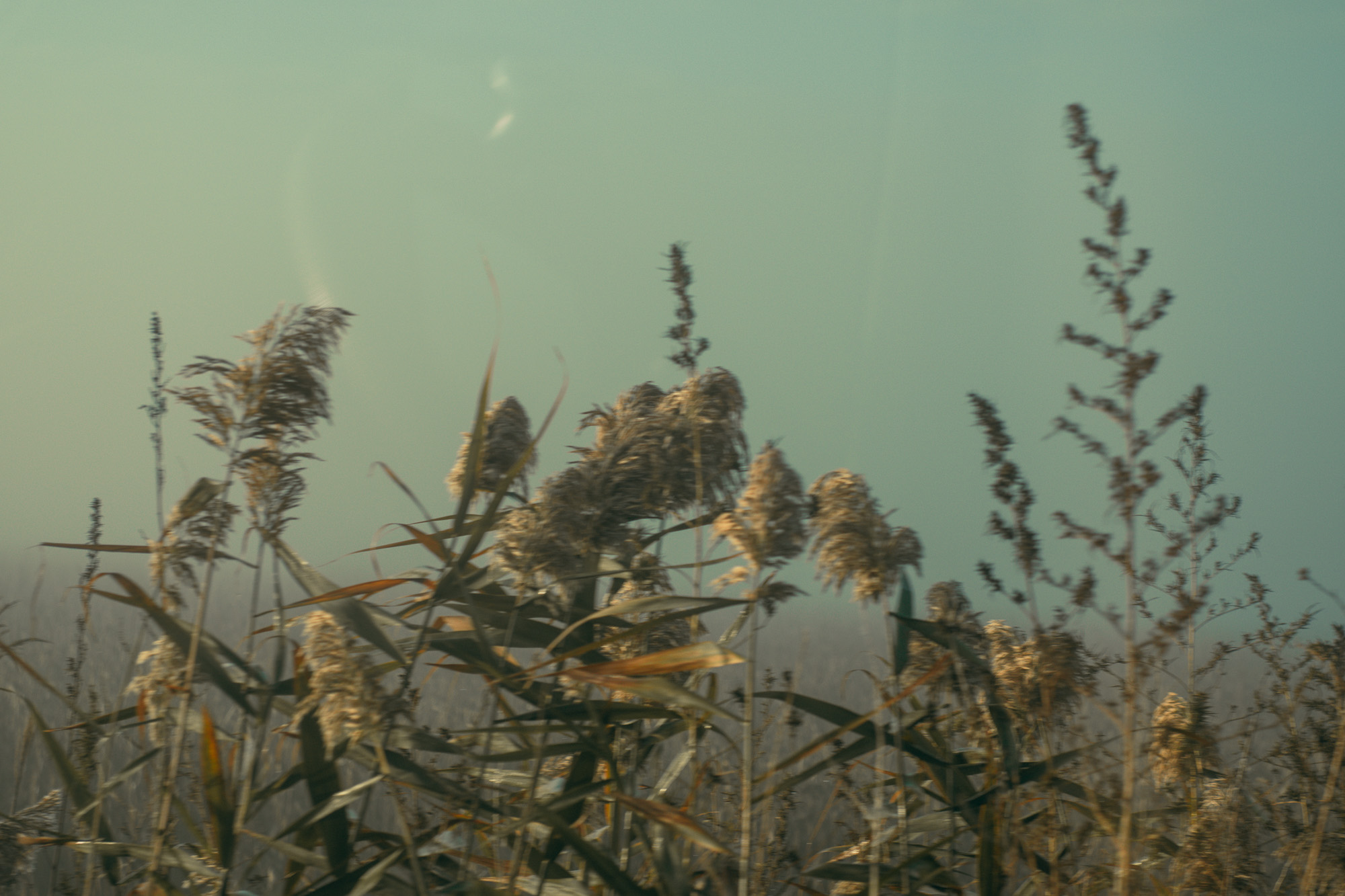
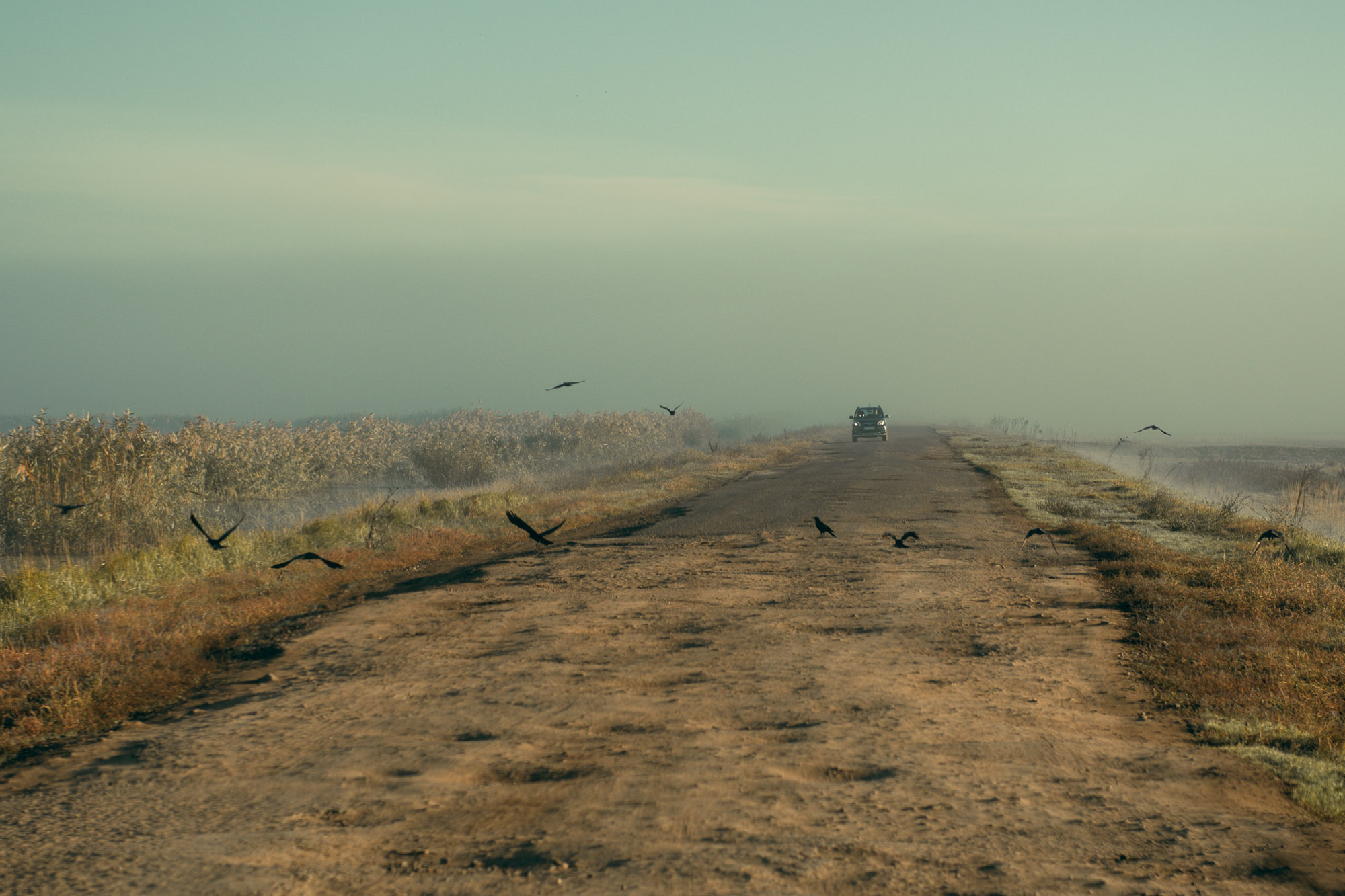
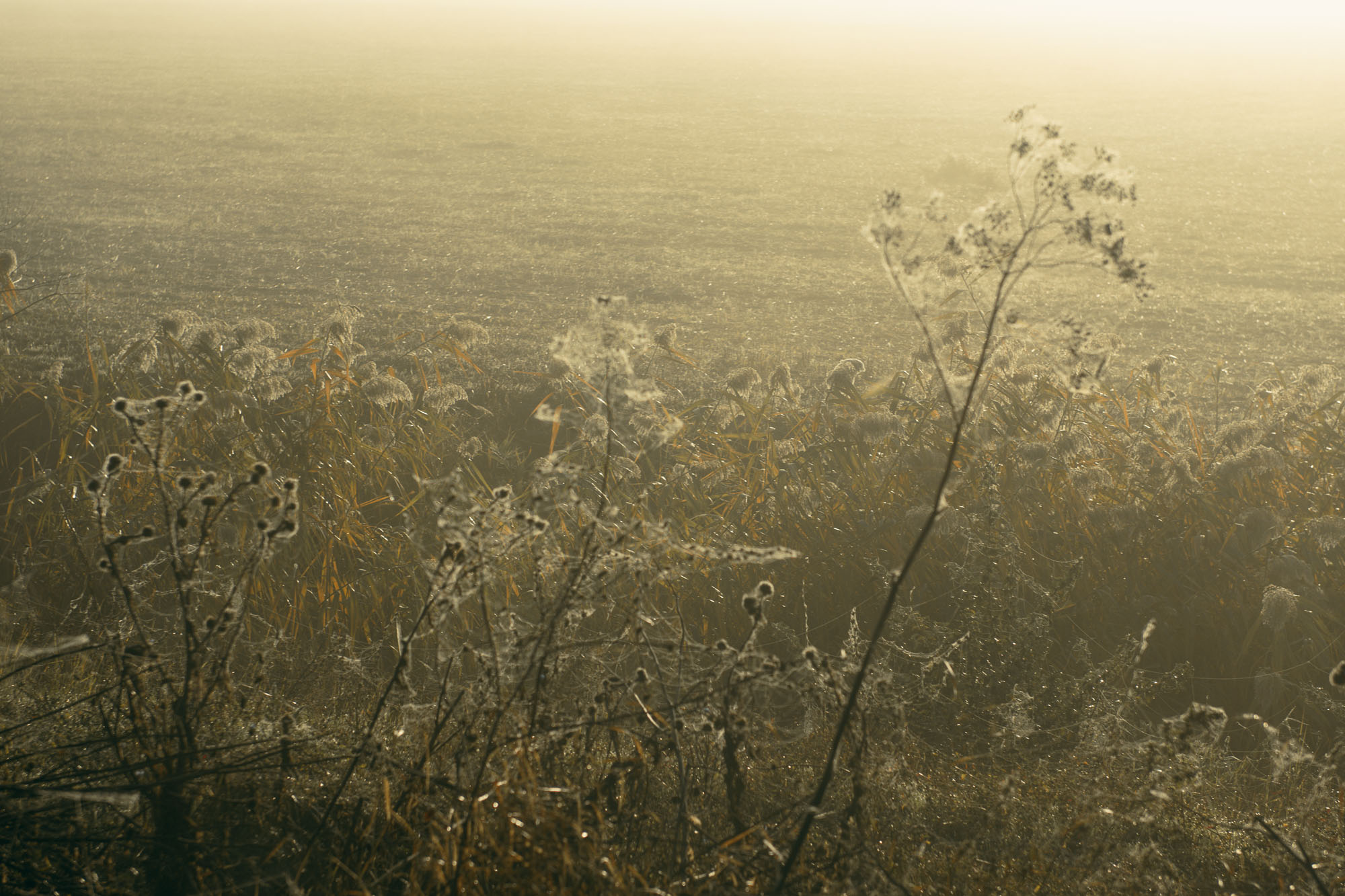
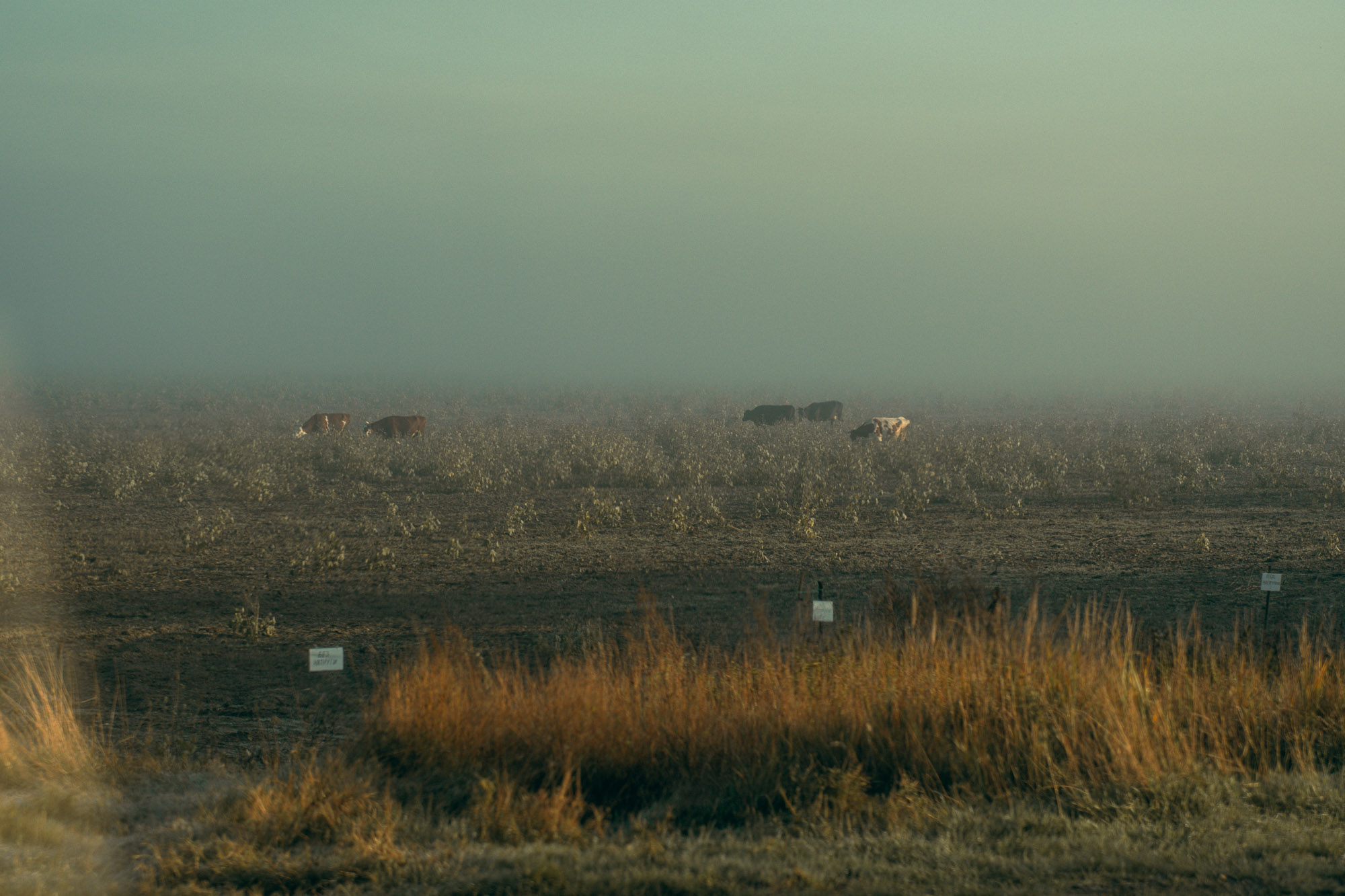
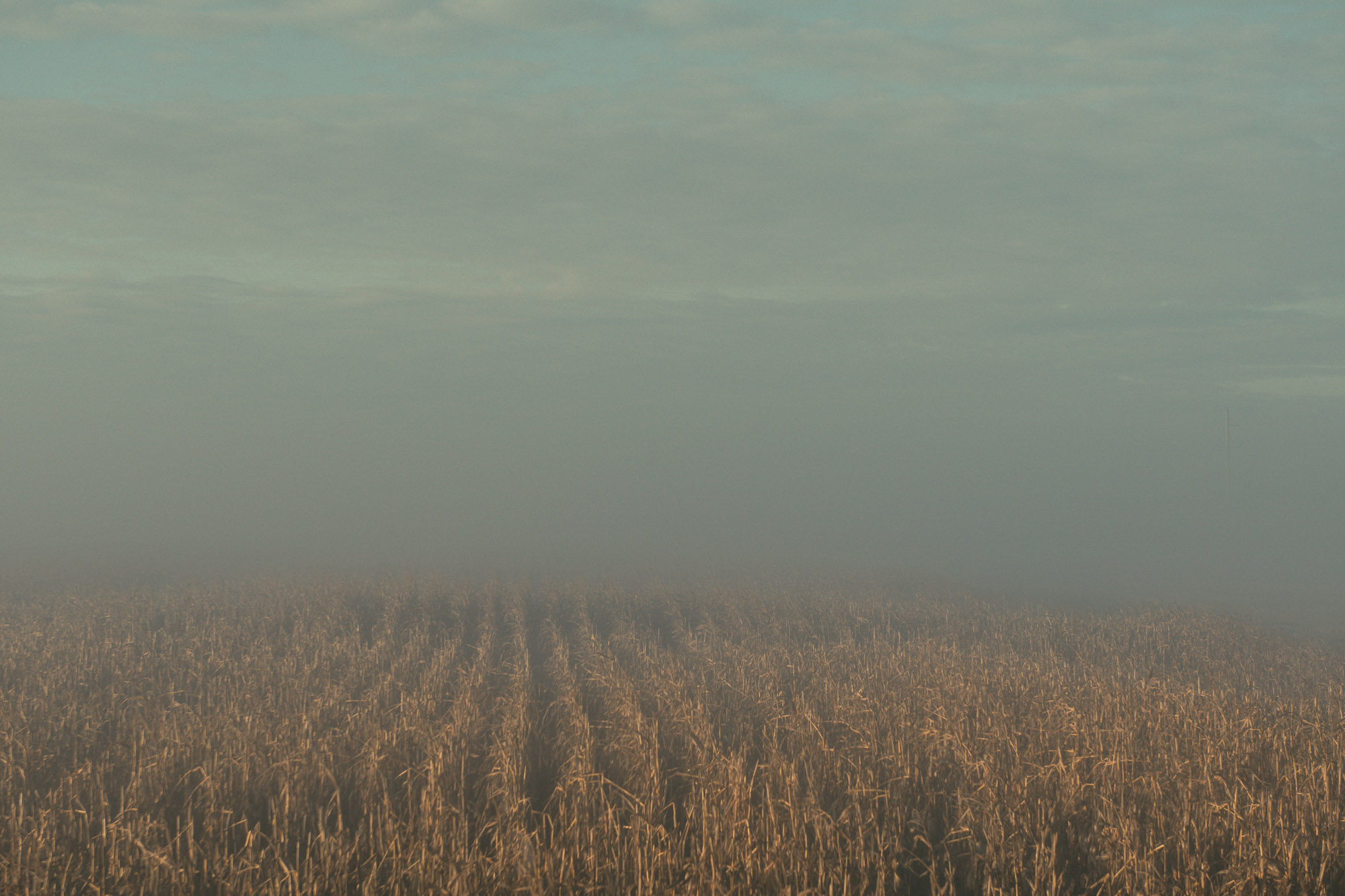
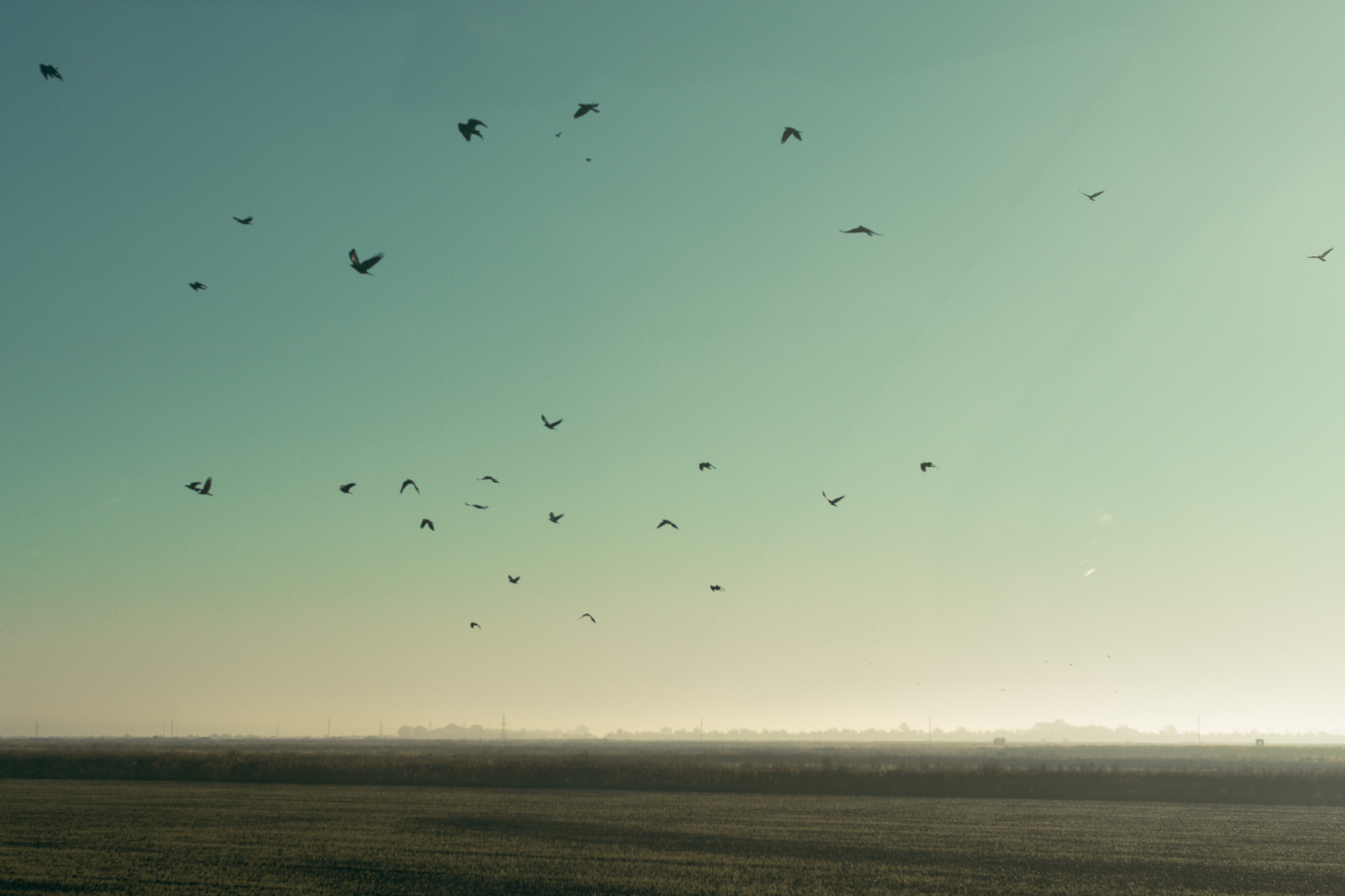
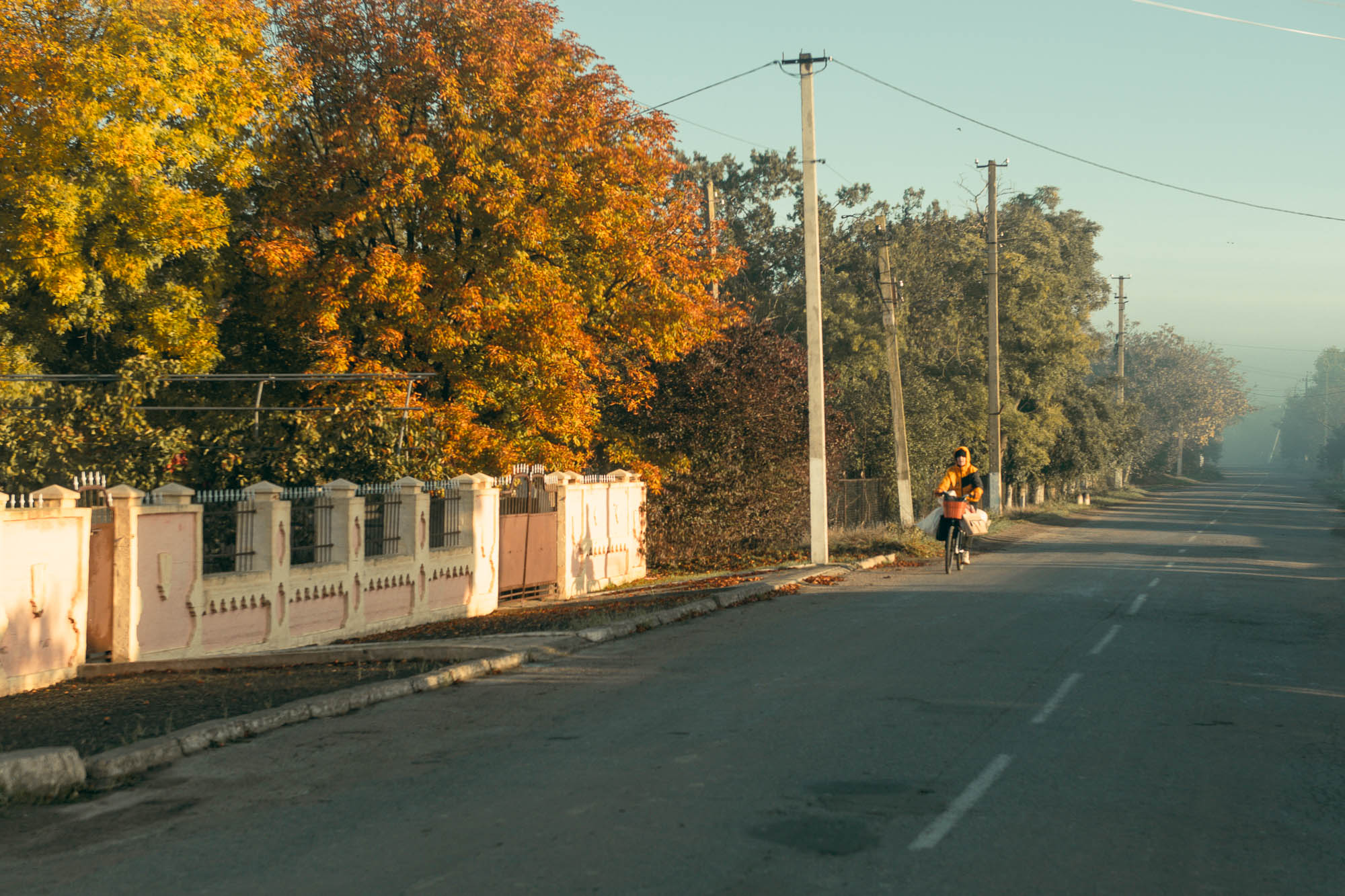
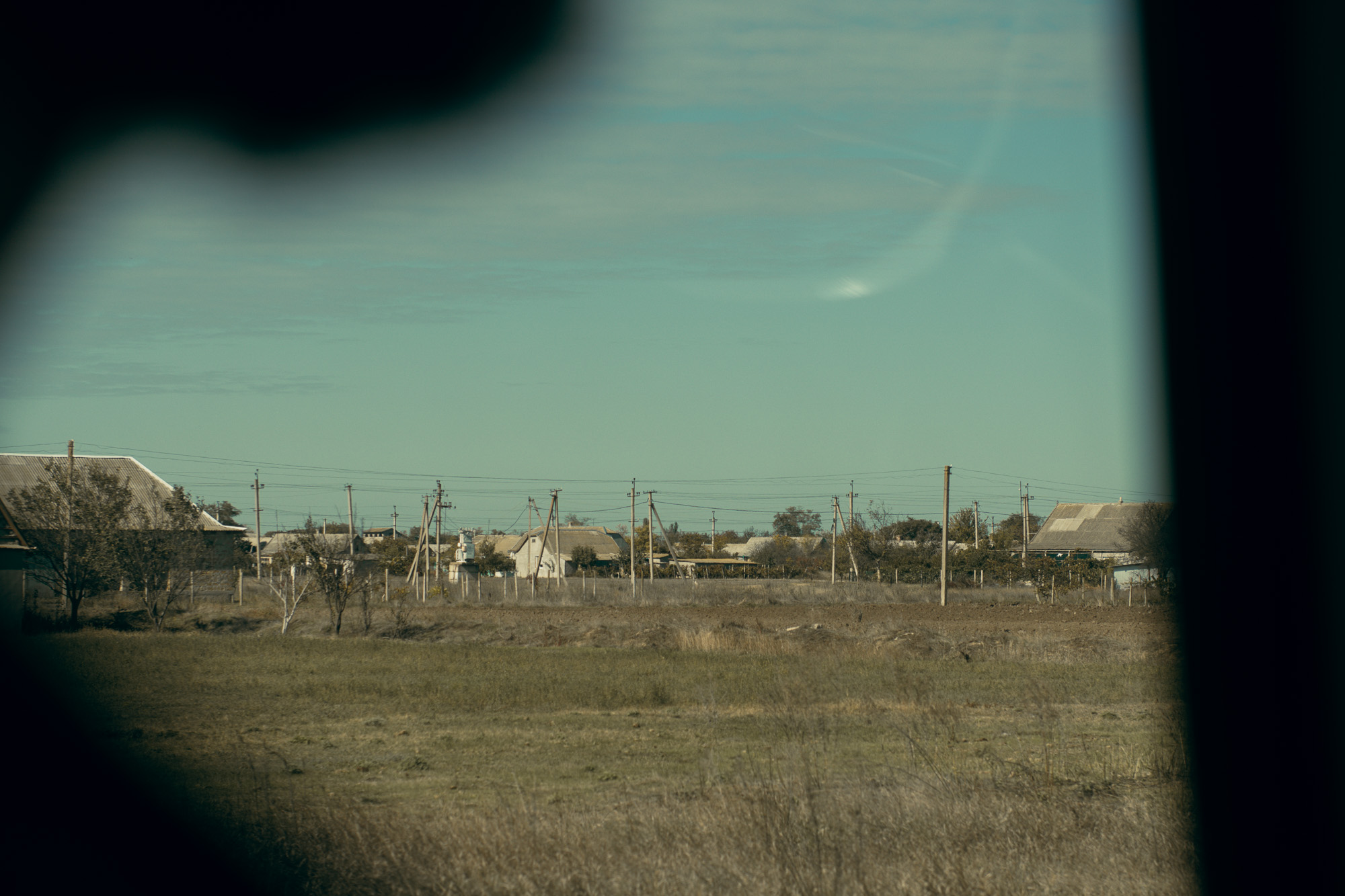
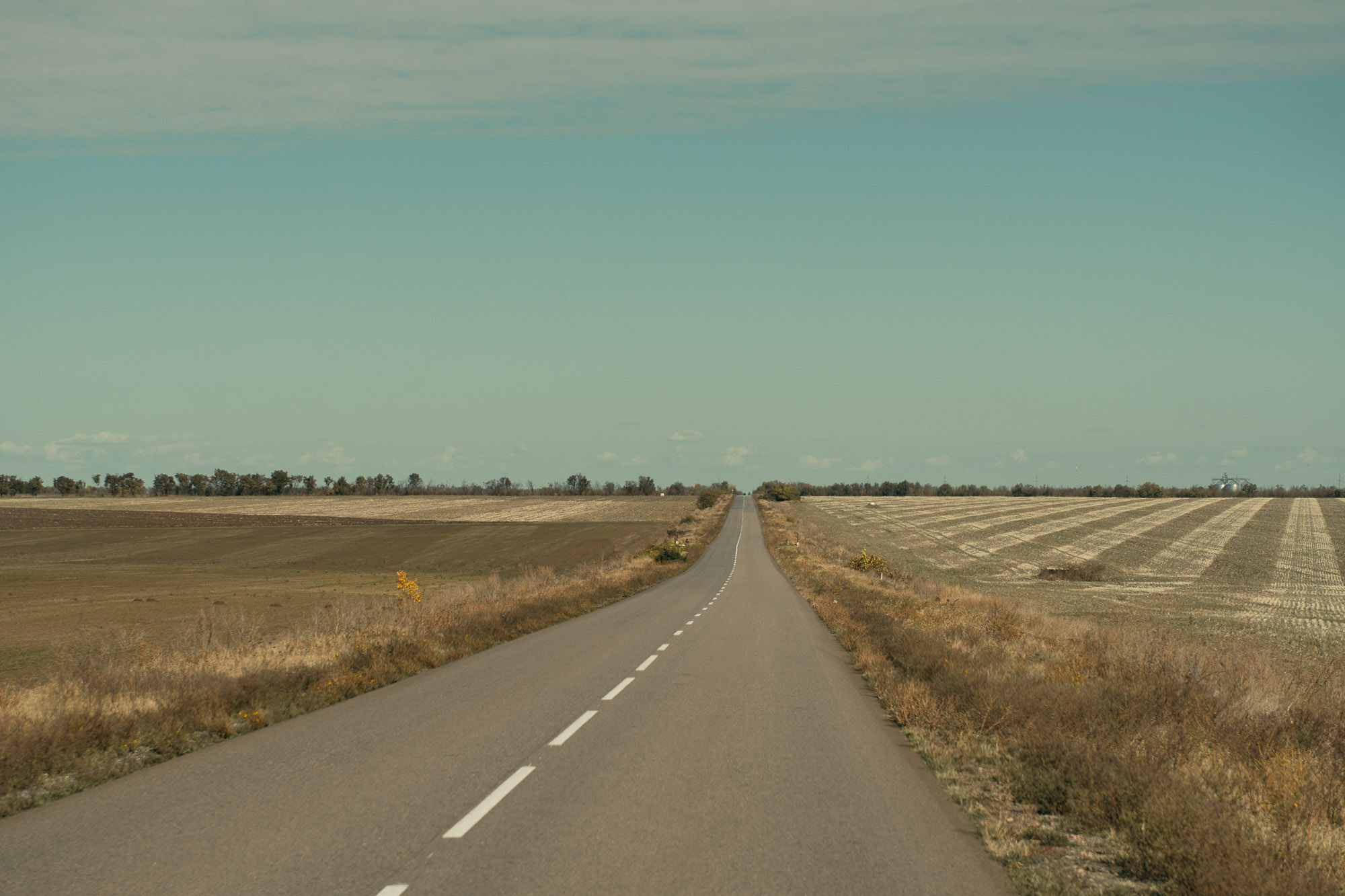
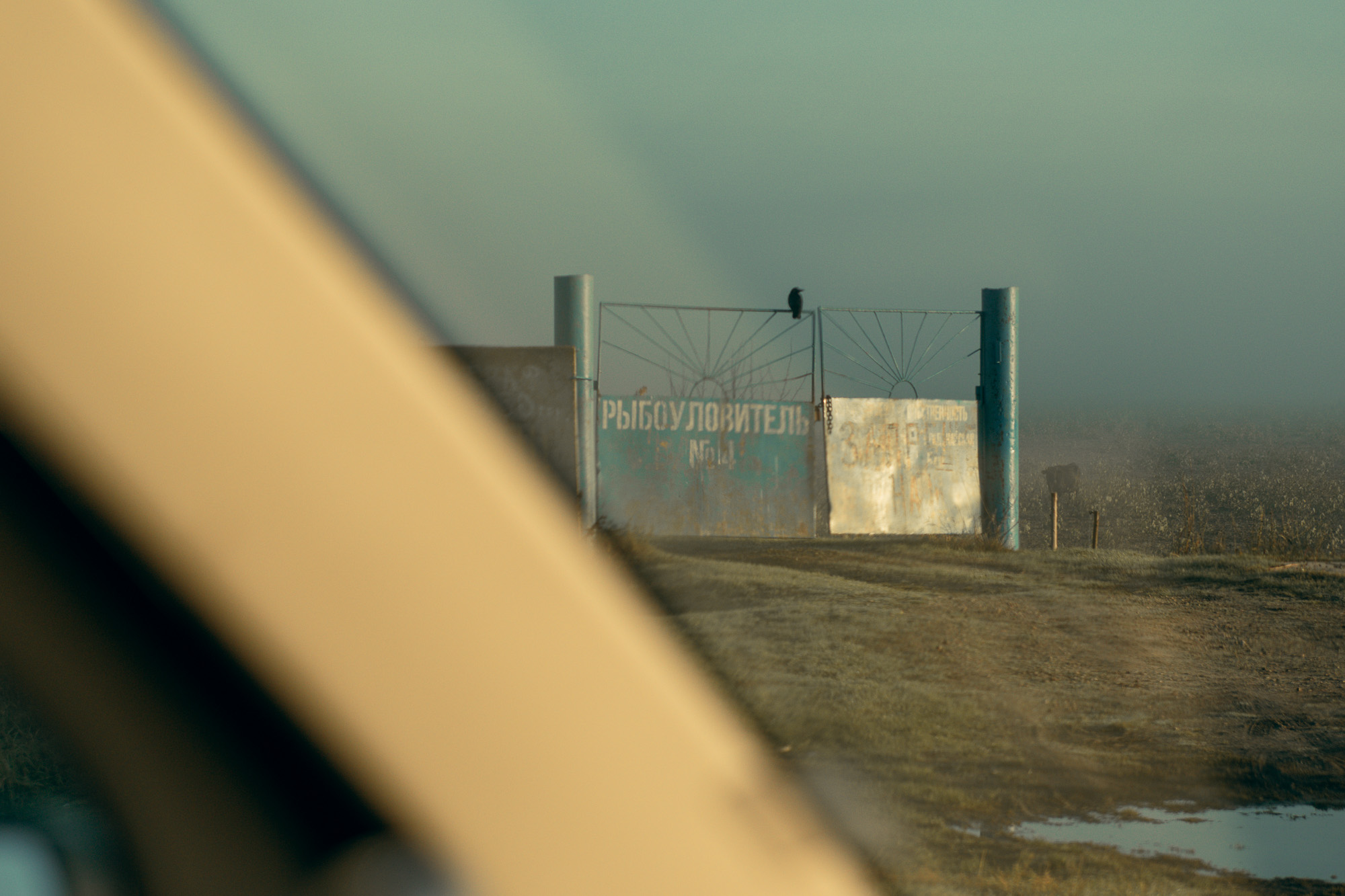
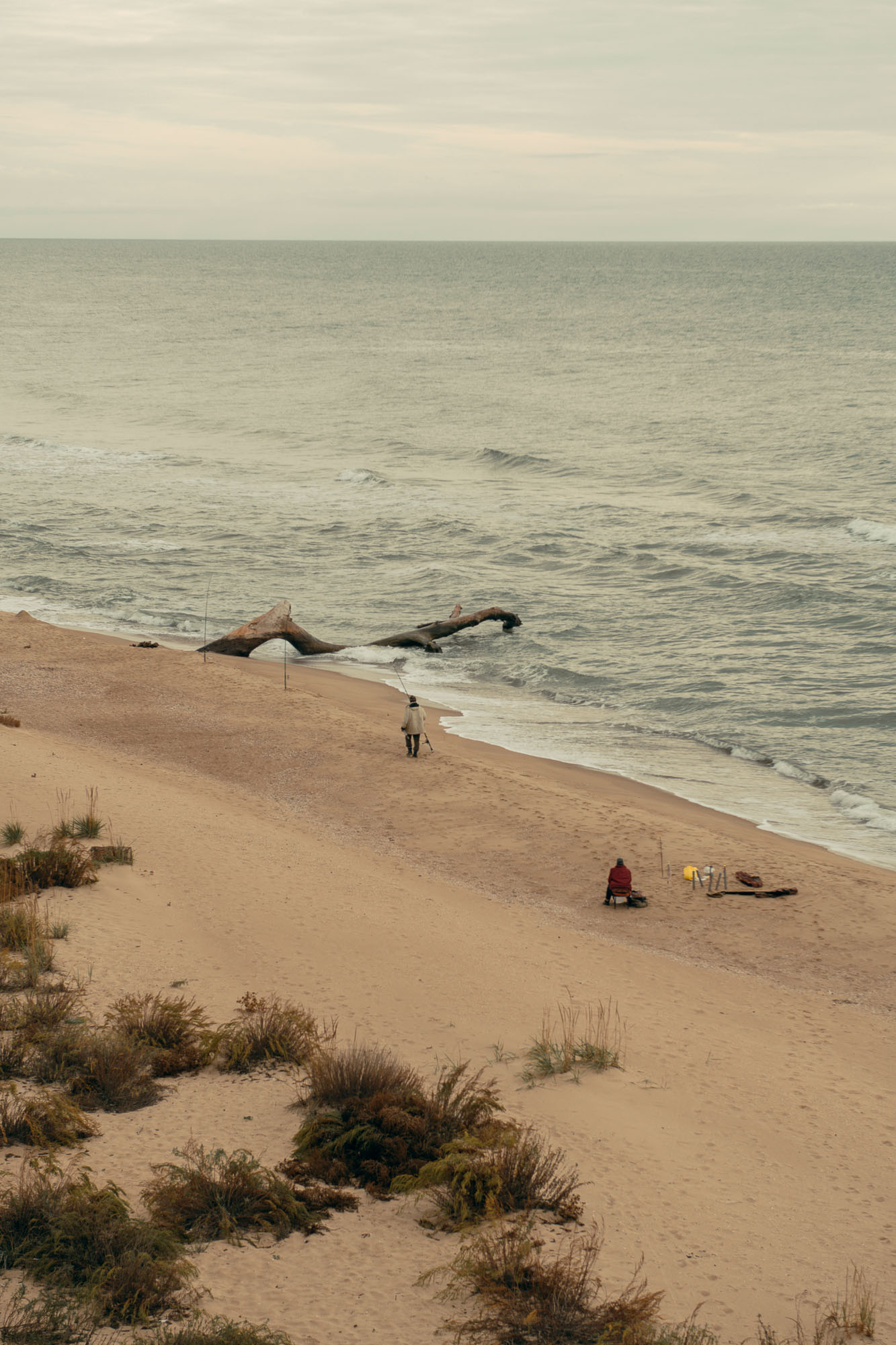
We crossed Bolhrad, made a short stop in Izmail, spent the night not far from the latter, and were rewarded with fantastic morning light — a decent compensation for the atrocious road.
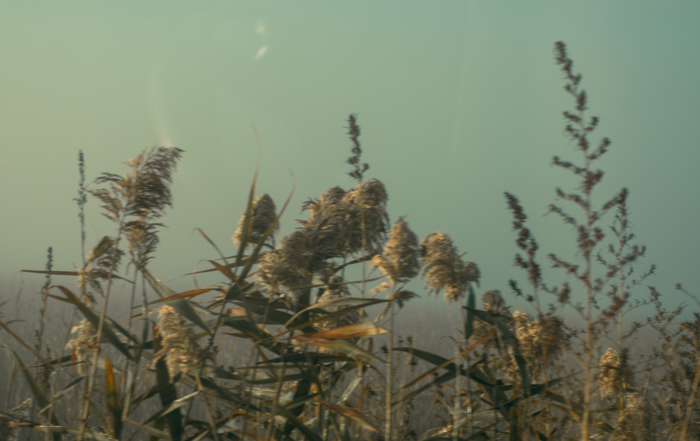
I was very touched to see this scenery after so many years — reedbeds are quite common in the Kherson region too, where I spent a big part of my childhood.





Vylkove
Vylkove was our main destination of the day. Even though I’d never heard of it before, it is a place quite popular with local tourists due to its channel system, which is supposed to regulate the Danube’s overflow. I think you can guess the name these channels earned for Vylkove, but I refuse to use it. Besides, on the day of our visit, it had nothing — like nothing at all — in common with Venice. We were told by a local (although he doesn’t consider himself a local; after all, his native village is 4 km away!) some scary, ecology-related stories about tensions with Romania over the Danube delta, causing salinization of the waters close to the Ukrainian banks, the decay of agriculture, and other troubles along the way. As if handling the war wasn’t already enough.
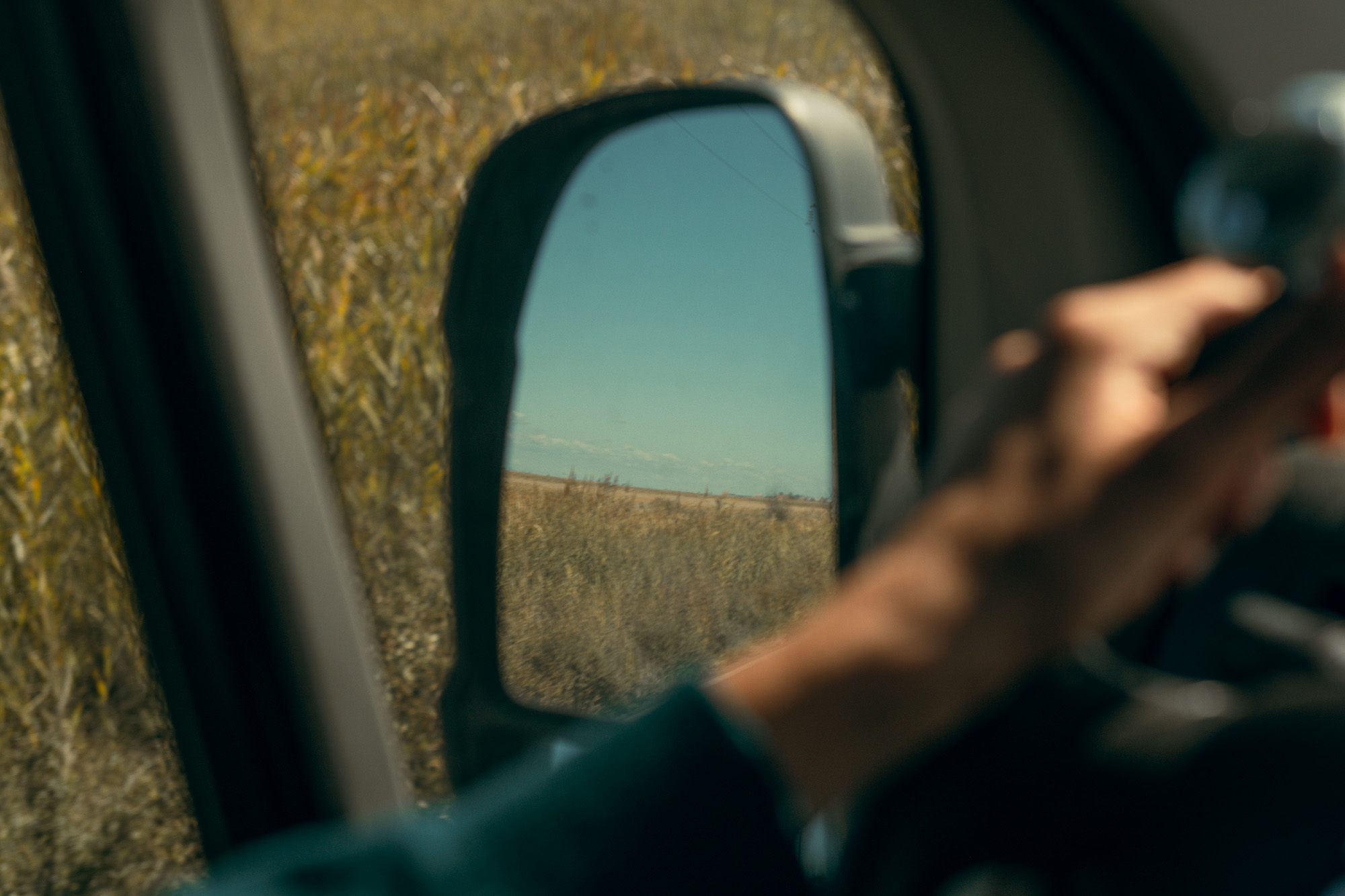
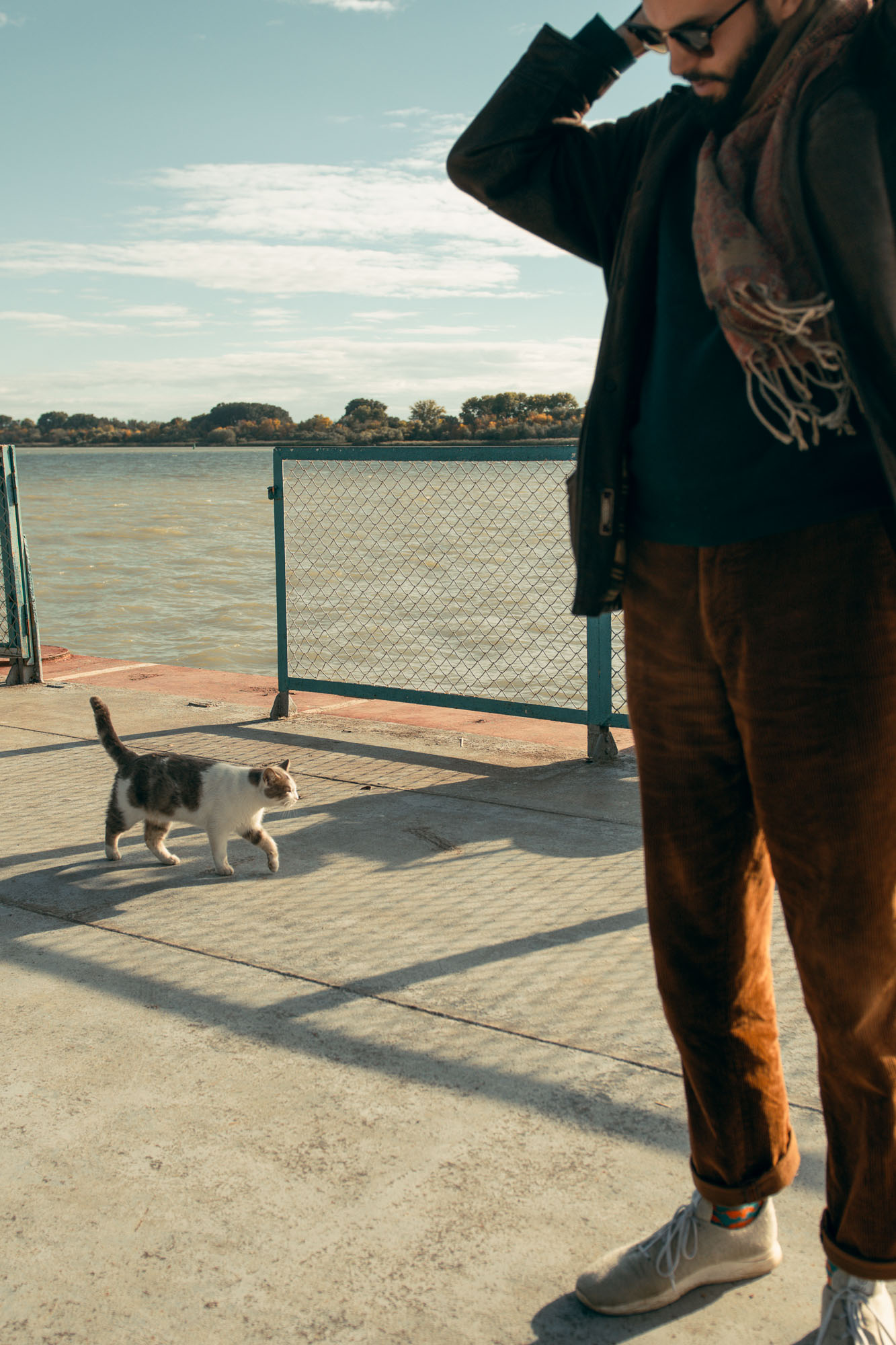
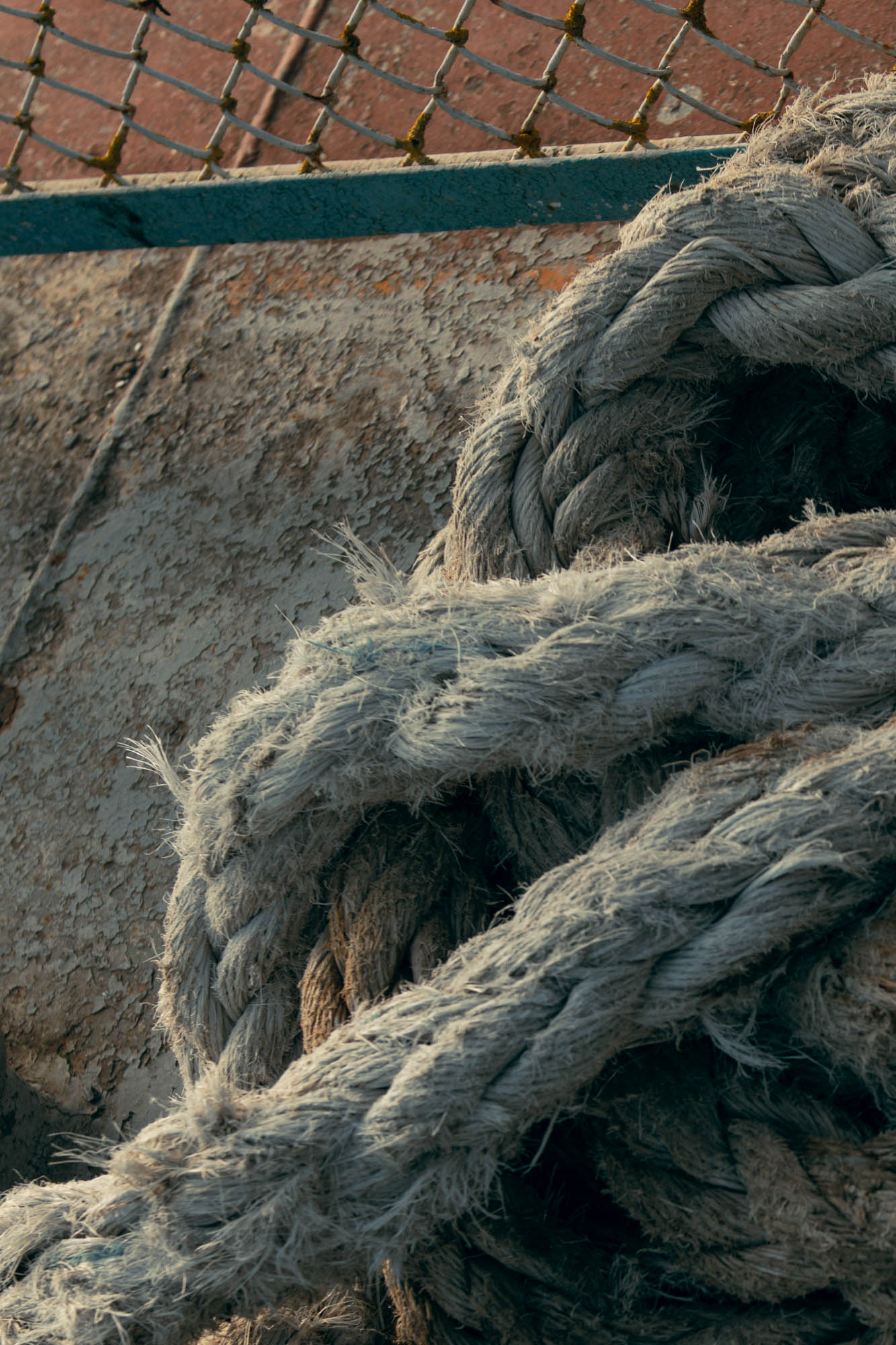
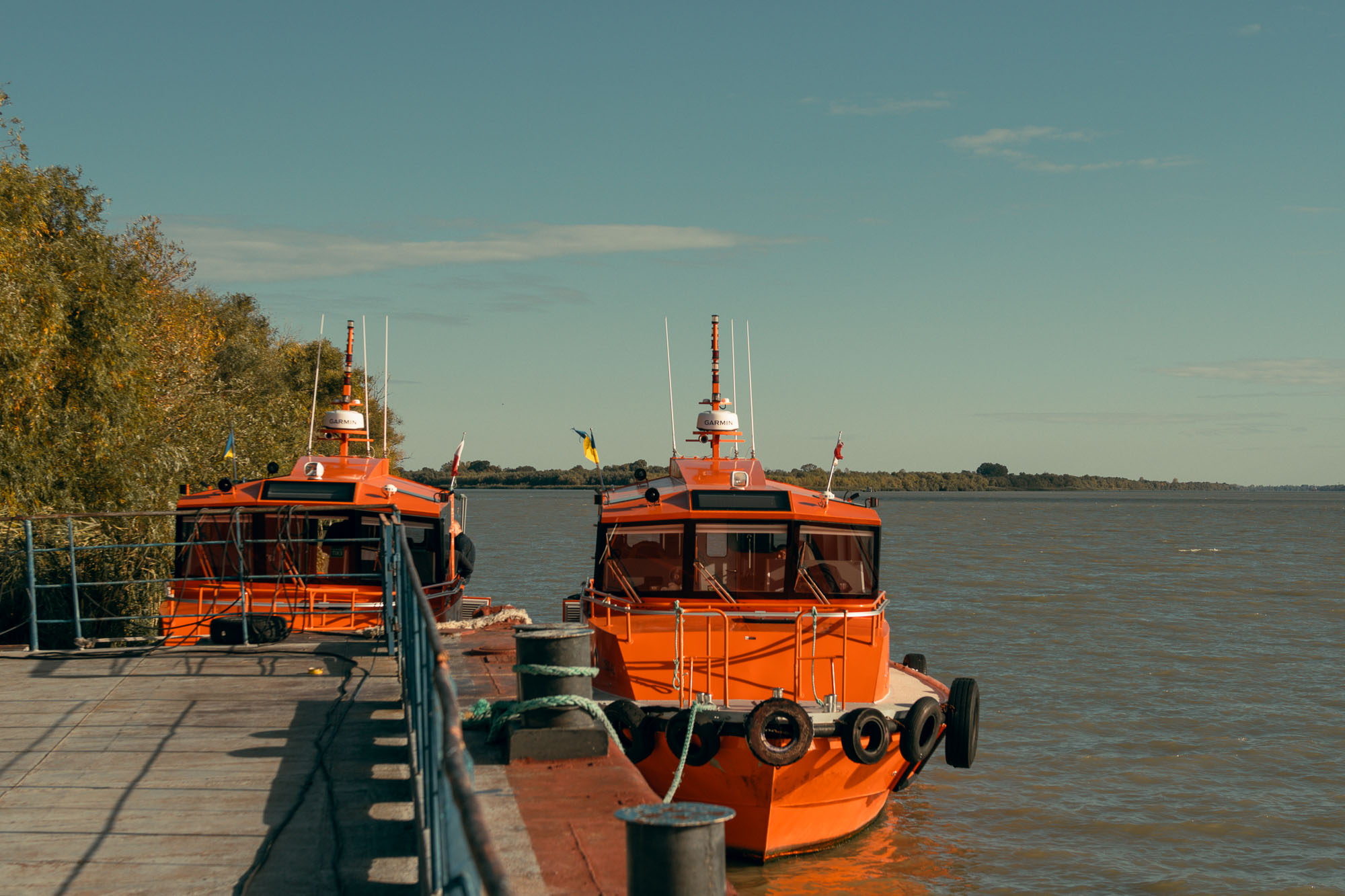

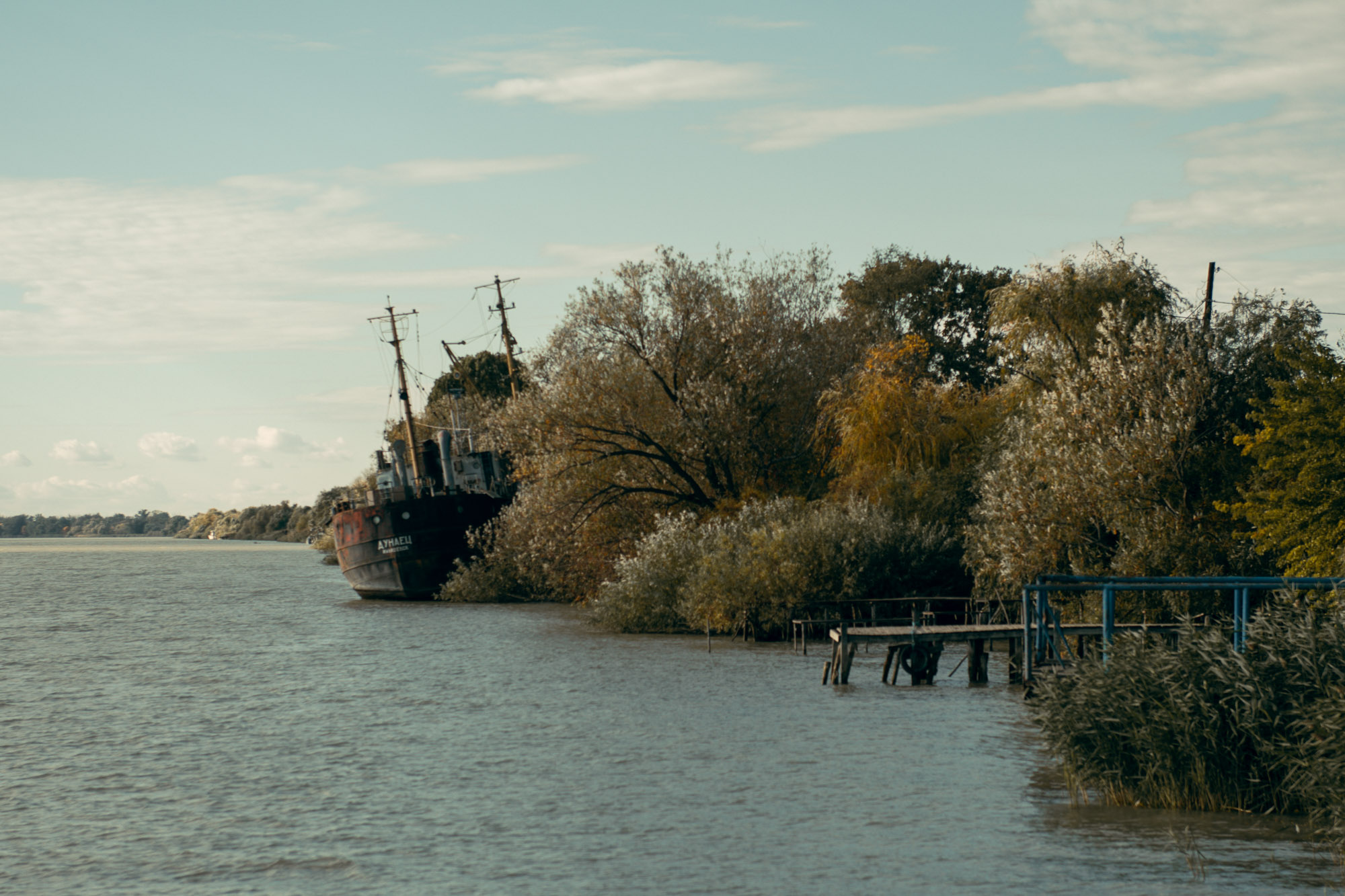
We didn’t see the “iconic” views with boats, but that’s okay — I loved Vylkove anyway. The view of the Danube was spectacular too. One of our oldest cycling ambitions is to ride along the Danube from its source in Donauschingen, Germany, all the way to its delta here, and it so happens that I’ve already been to both its starting and ending points even before this trip. Another highlight was the restaurant “Morvokzal” in Vylkove. I would have never guessed that a provincial restaurant with a typical long Ukrainian menu could serve such amazingly delicious food! We were speechless and devoured every last crumb from our plates.
It wouldn’t be honest not to mention Kilia either — a small town where we made a despicable raid on the local second-hand store. So yes, this awesome black coat is the purchase of the day!
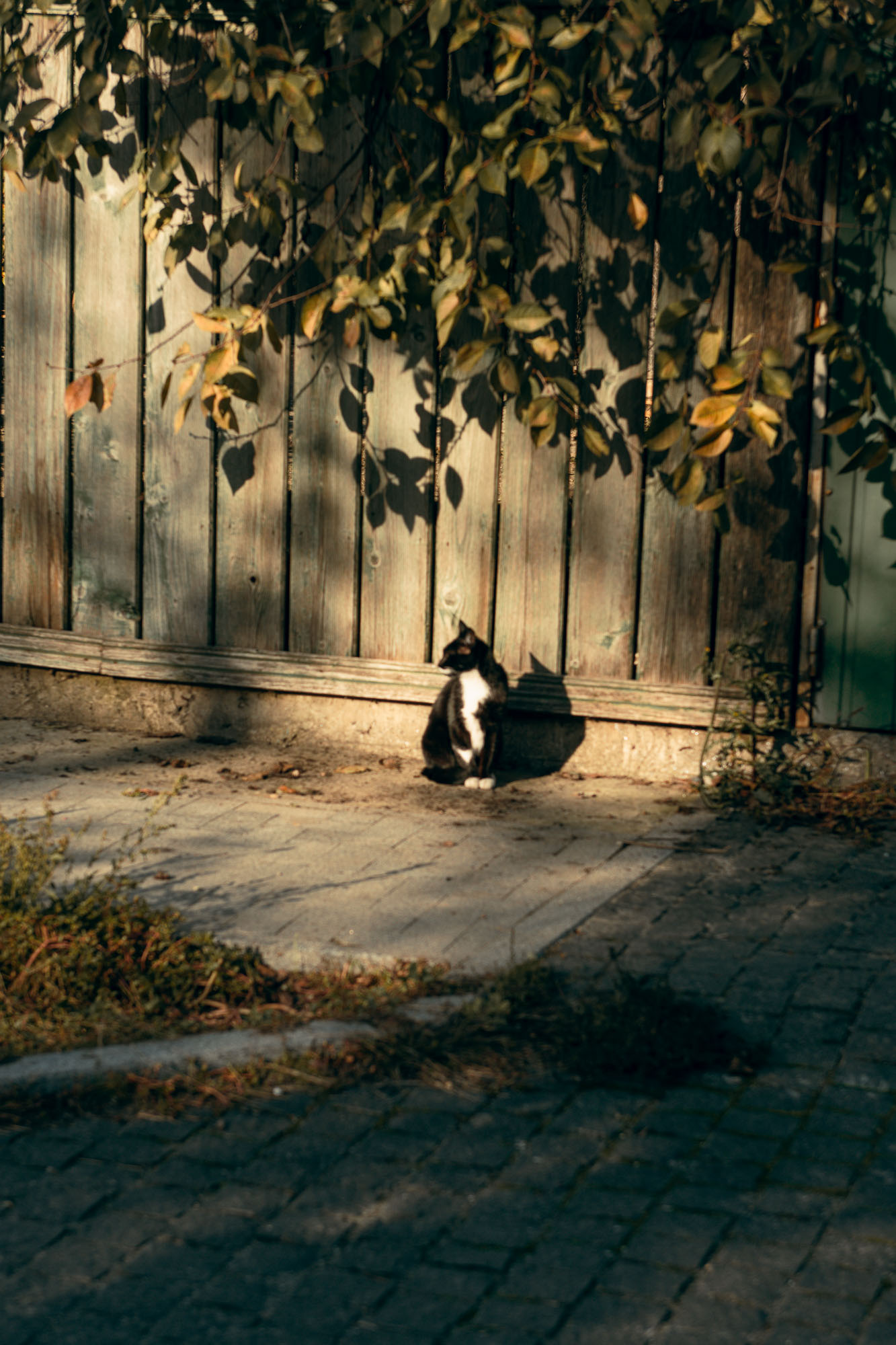
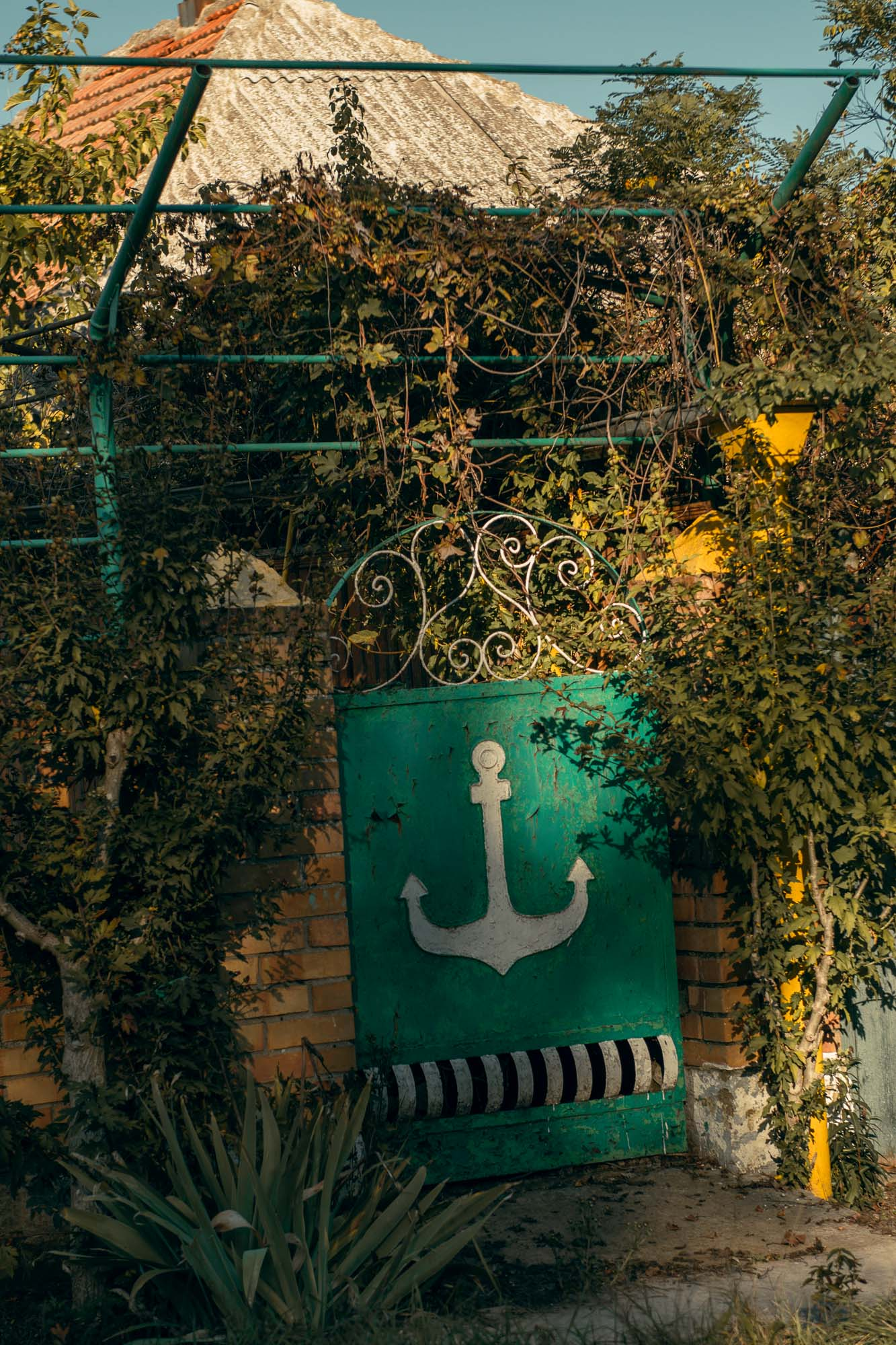
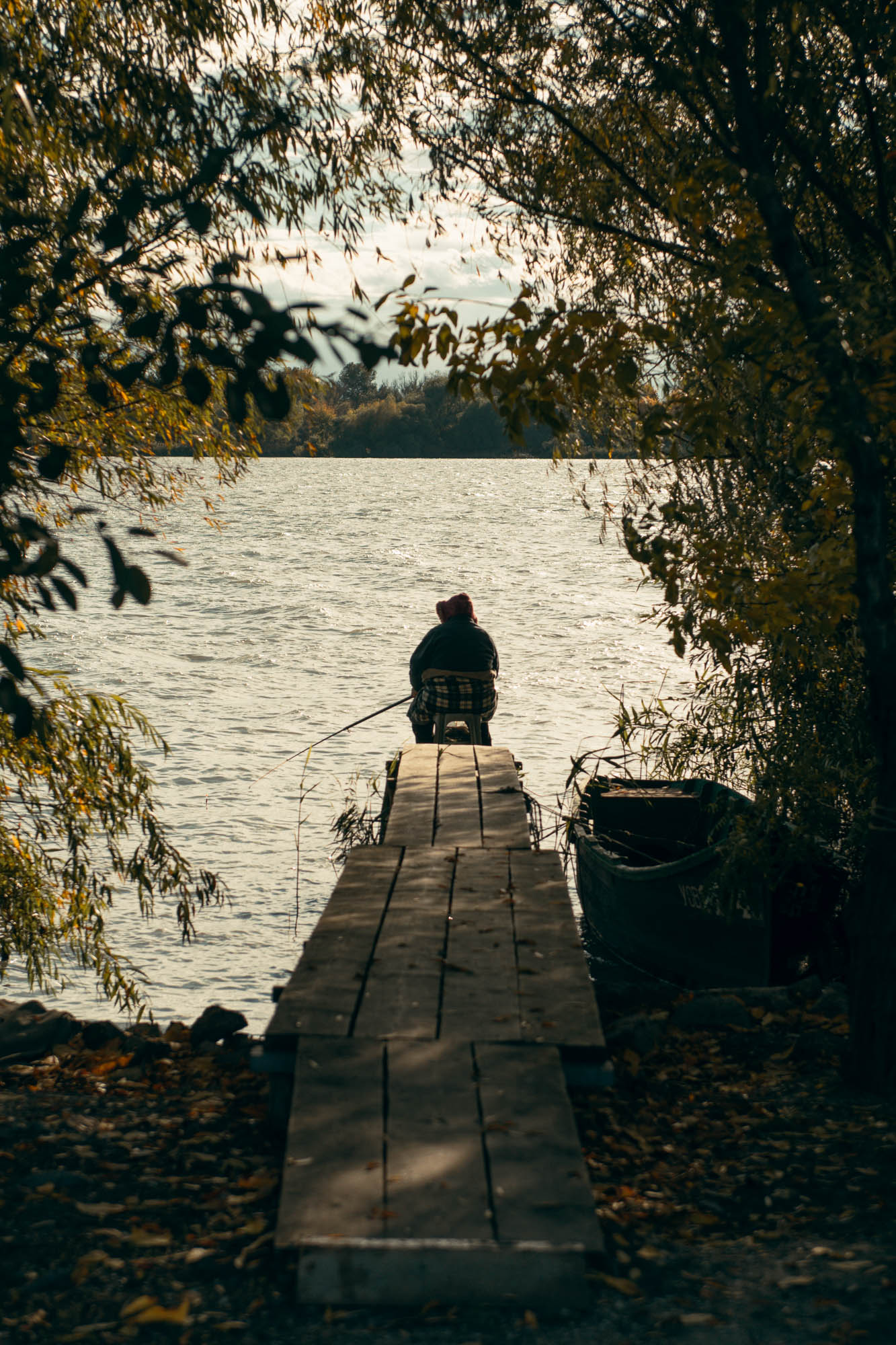


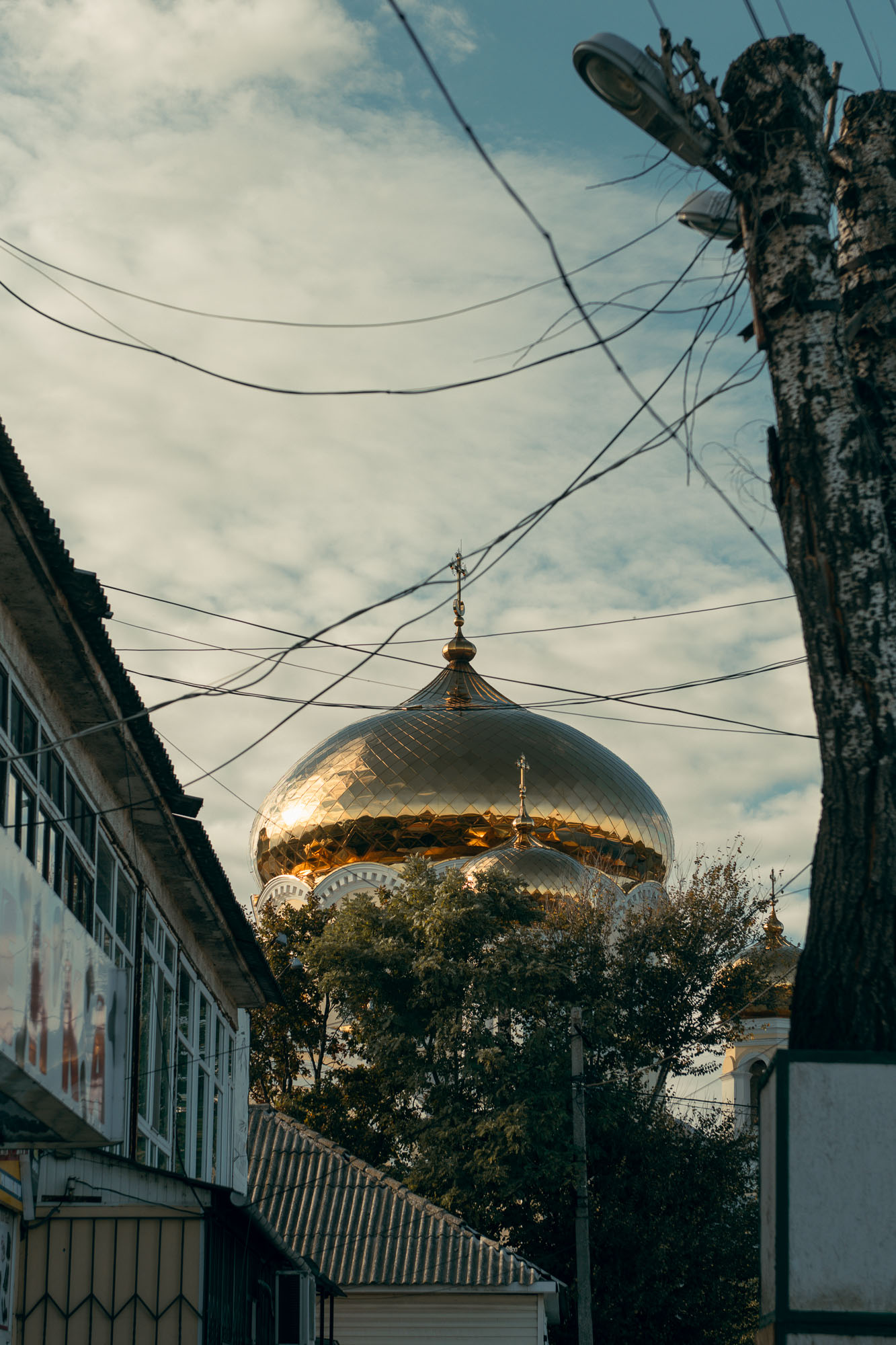

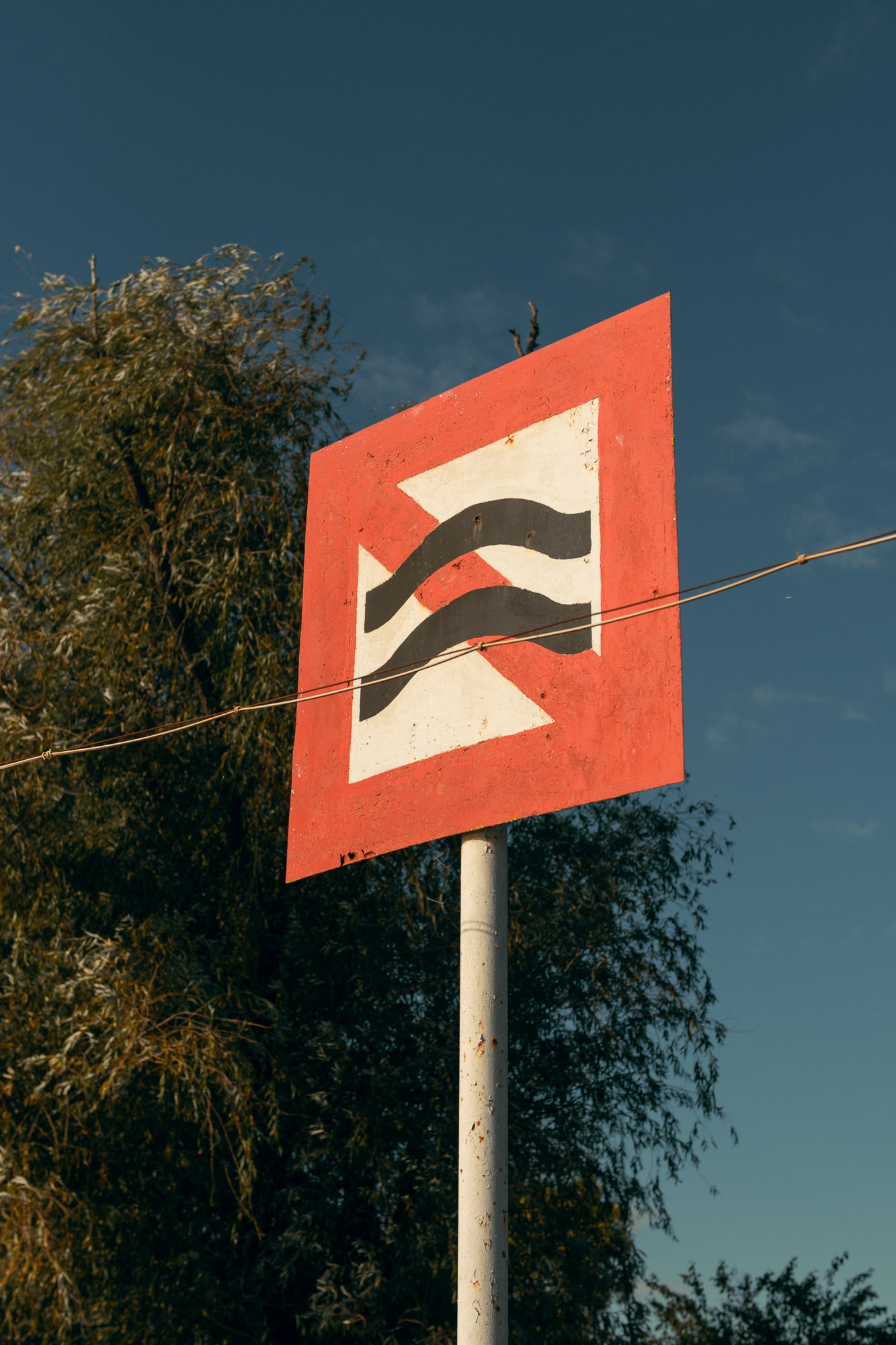

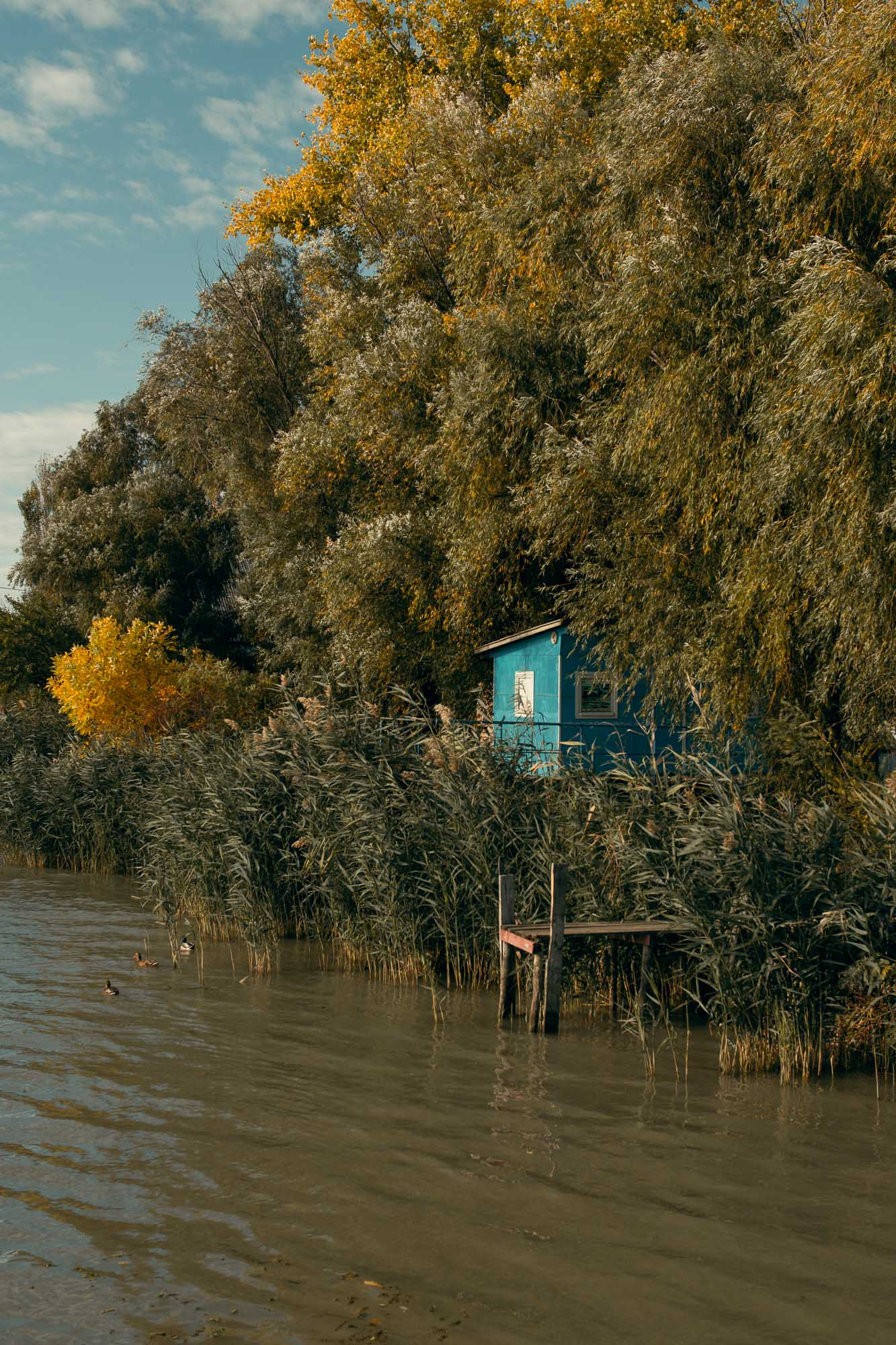
Atrocious roads again. But on the bright side, the reedbeds turned into steppe. And my nostalgic heartache reached its culmination. Steppes are not as spectacular as forests, jungles, or deserts, but they touch the soul’s cords so deeply it’s hard to express. The agricultural vehicles working in the fields gave a somewhat sci-fi touch — like the spice machines from Dune. A beautiful, inspiring evening and a peaceful night.
Bilhorod-Dnistrovskyi
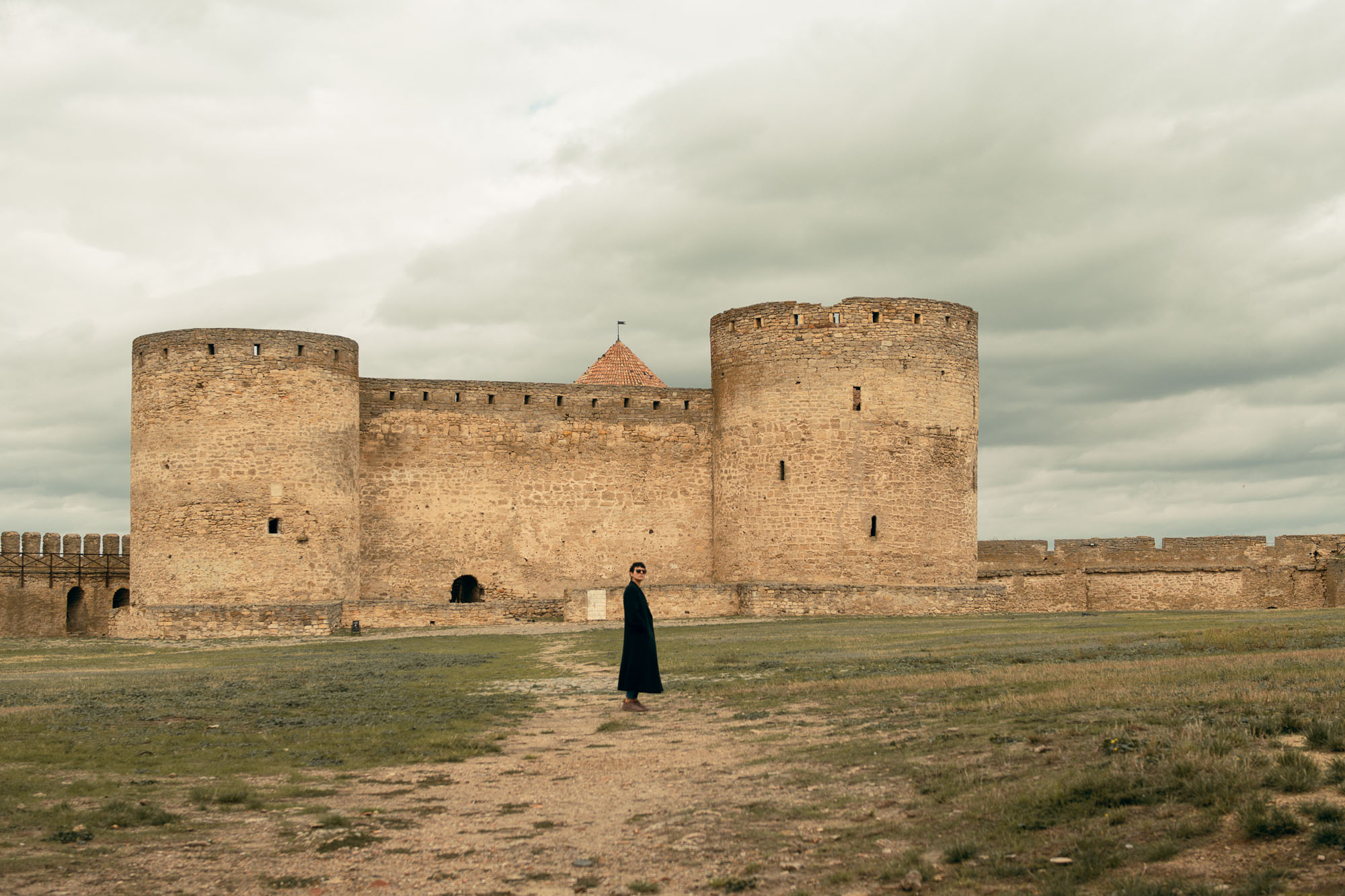
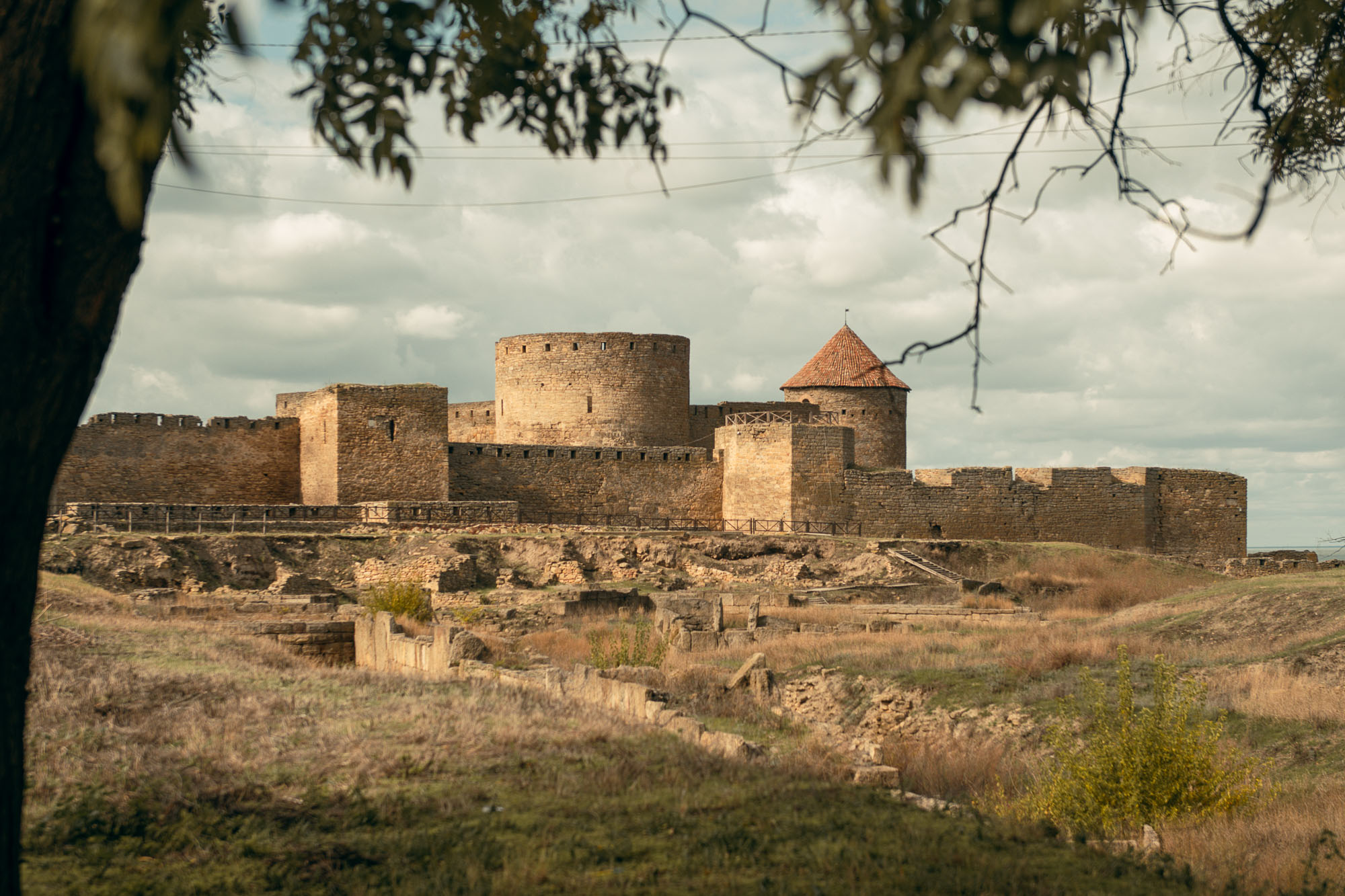
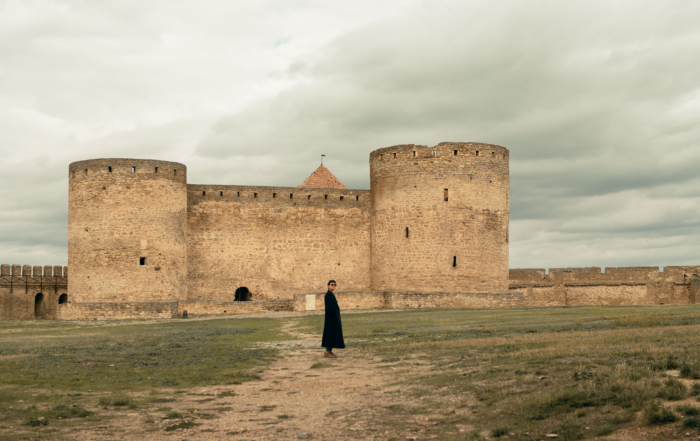
The following day featured several more interesting points of Odesa oblast that I’d either never heard of before or never come to visit. First, the Bilhorod-Dnistrovskyi Fortress. As always, we take particular pleasure in visiting touristy places off-season; the empty stalls on the fortress grounds hinted at much more intense activity than two accidental visitors strolling around the courtyard. I loved both the fortress and the town — it was also heartwarming to see the growing Ukrainization of the region, which has long claimed Russian as its main language and cultural connection. There is still a long way to go, but what we saw this time was very hopeful.


Shabo
Before Bilhorod-Dnistrovskyi, we also made a tiny stop in Shabo — a major “wine hub” of the country. Since I started consuming and appreciating wine, I still can’t say that I have a definite opinion of Ukrainian wines: sometimes there are real gems, but mostly… it’s meh. We intended to visit the Shabo Wine Culture Centre — we really did — especially considering how many lovely reports had reached our ears. But for some reason, we skipped it. I guess I hadn’t recovered after visiting Cricova in Moldova, or perhaps the whole town simply looked deserted. In a word, we merely passed through Shabo.


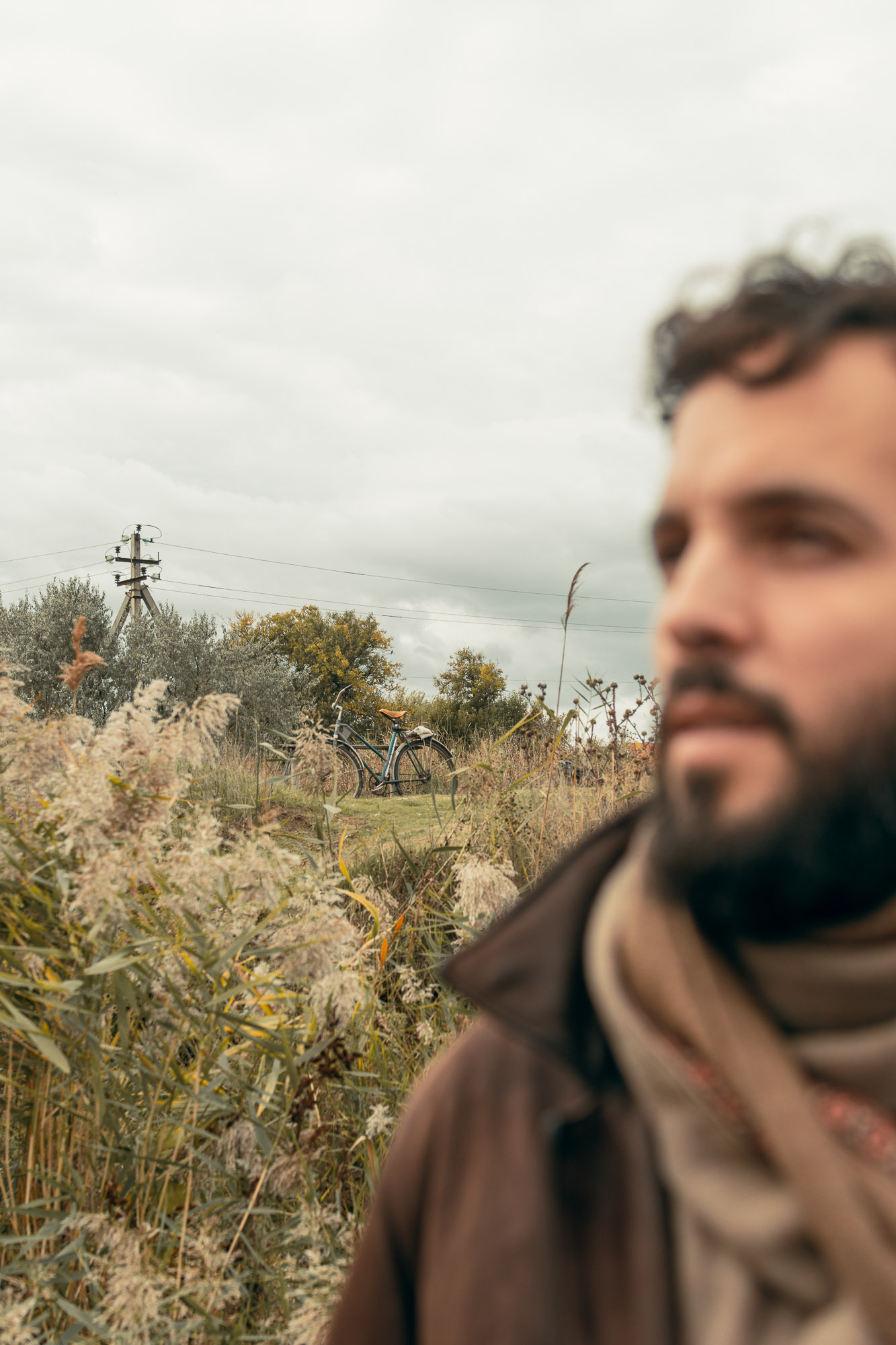


Hrybivka
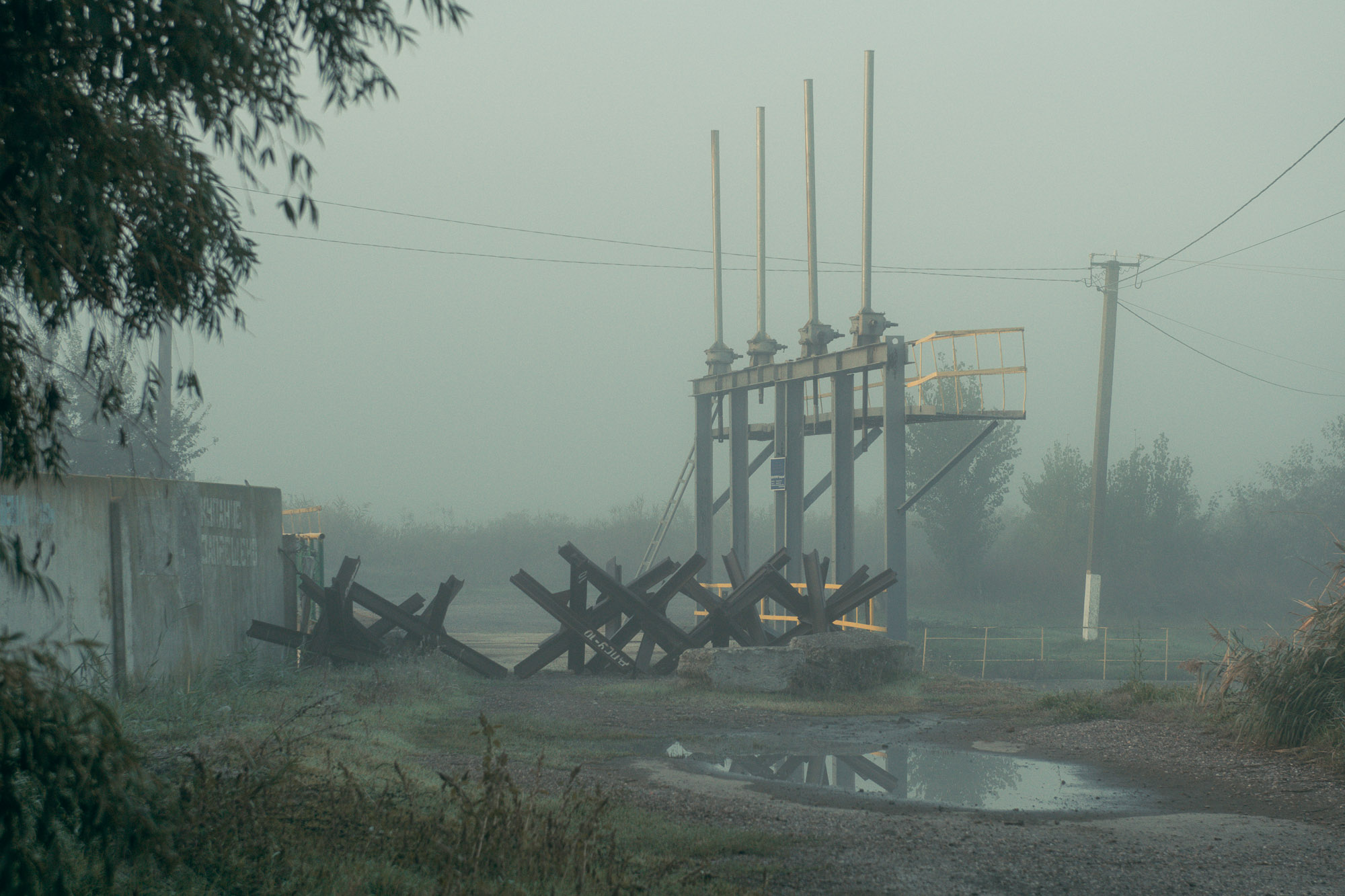
As I mentioned earlier, Ukraine, and its south in particular, are very tricky places to visit because of the military situation. The Odesa region is a frequent target for all kinds of attacks, as it is an important strategic point in terms of Black Sea control. This means not only air alerts, but also regular document checks and blocked roads and bridges. We had to give up some itineraries we had initially planned, and when night fell and we had already comfortably settled in for the night, a border patrol knocked on Robbie’s door for a check-up. With gushing wind and the sound of the sea down the cliff, it was all very eerie. Still, another amazing spot for the night.
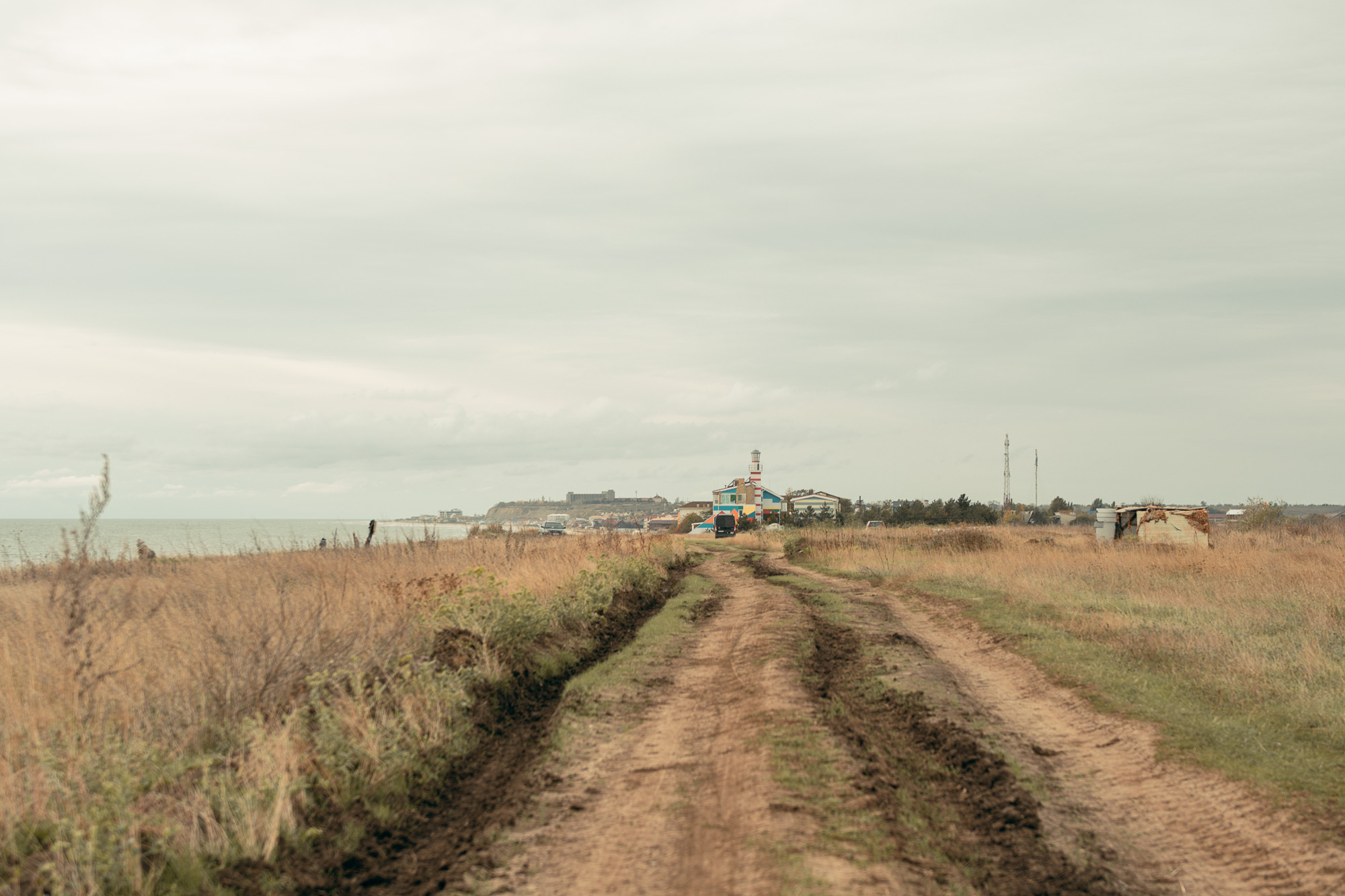

It’s hard to believe that in summer this area is full of tourists. I’ve experienced classic summer vacations in Ukraine only a few times, and in Crimea — never in Odesa. Still, I can easily picture the romance and aesthetics of such vacations, especially when one is young. I do hope some of this vibe survives even in wartime.
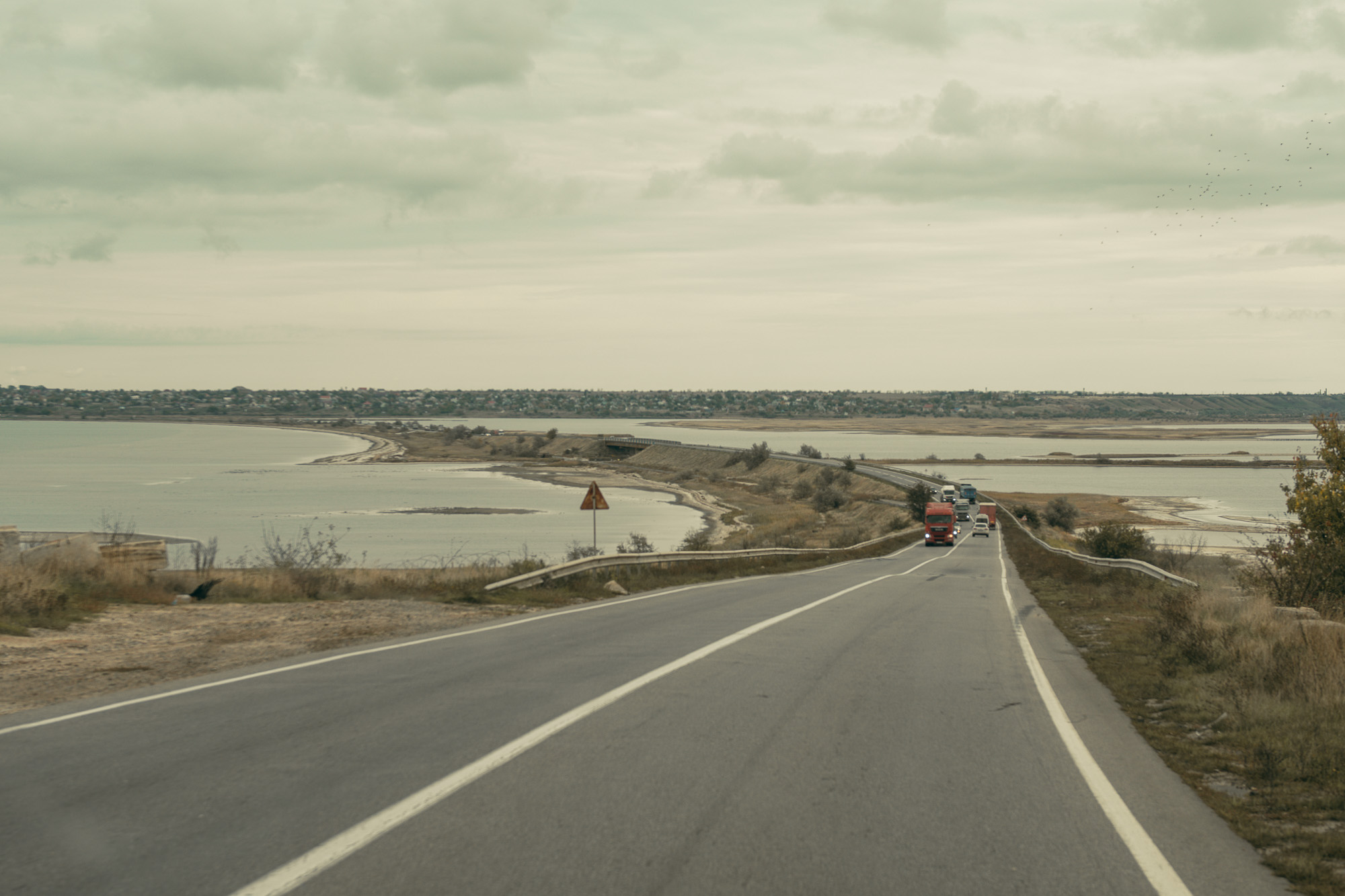
With the bridge inaccessible (I’m not sure whether it was damaged or simply closed for military reasons), we had to take a temporarily installed road passing through Moldova again. Naturally, there was no classic border control — there is some arrangement with the Moldovan authorities — but I don’t envy those who have to take this road, with all its checks, on a daily basis.
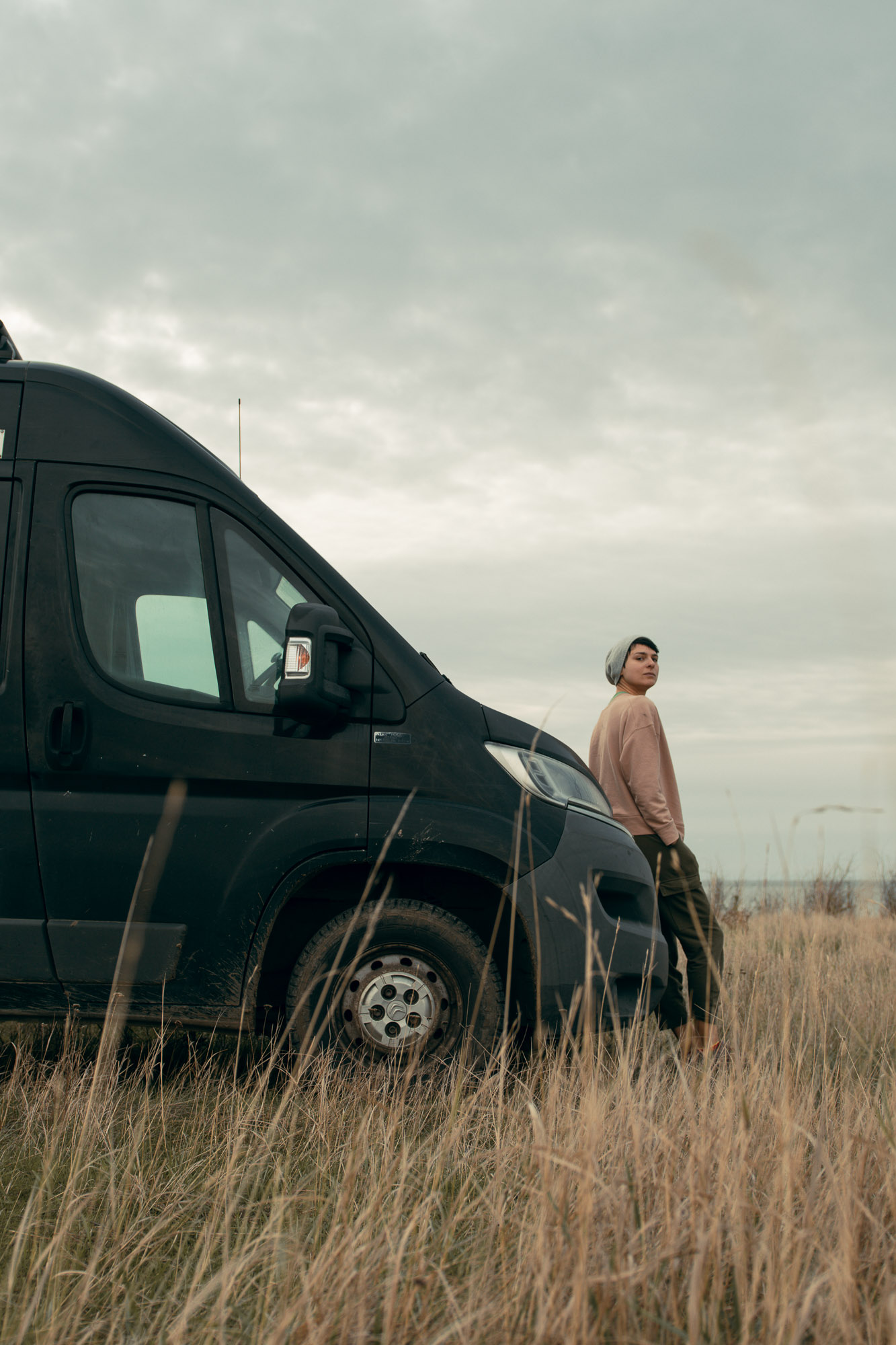
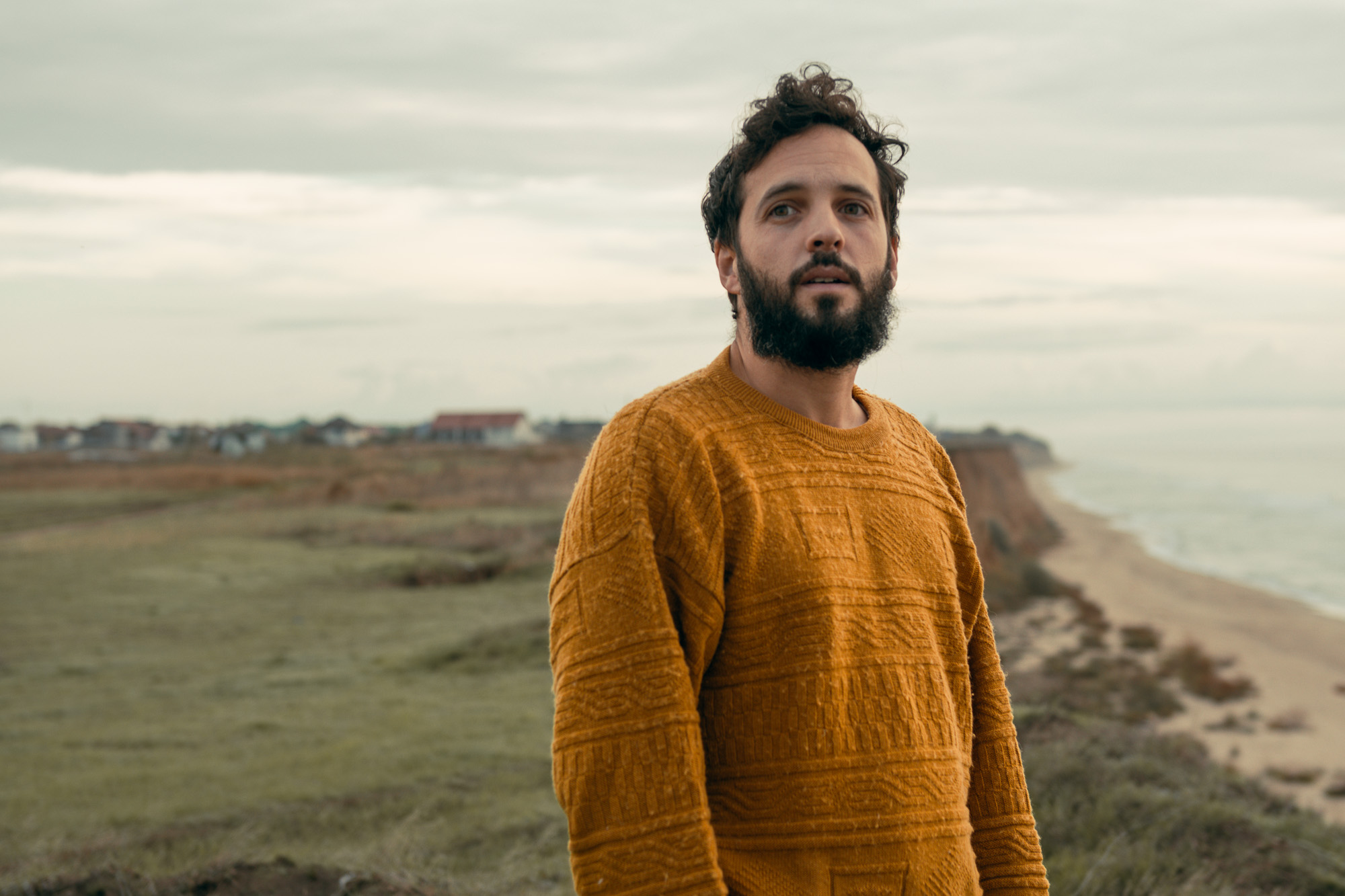

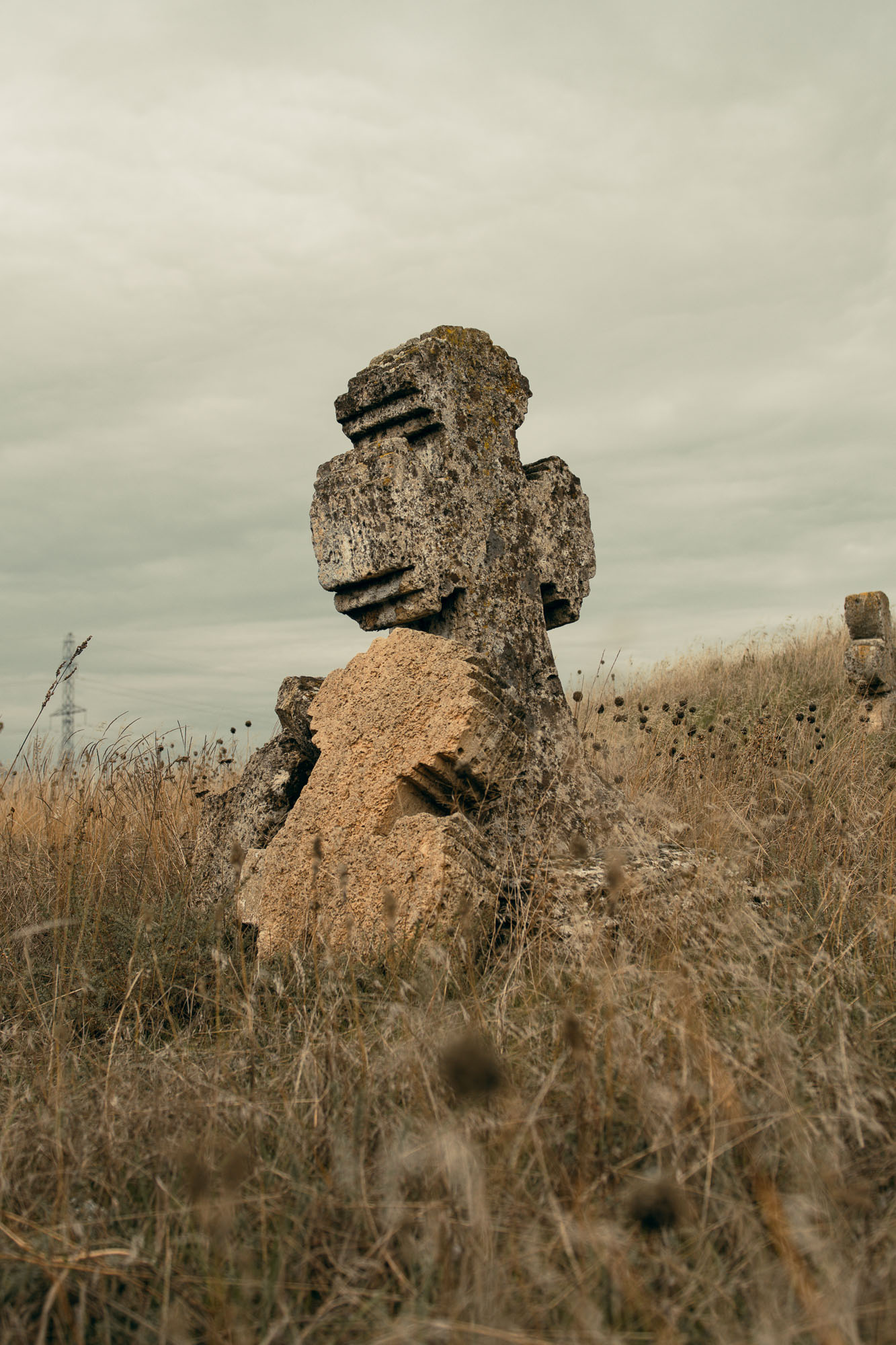
Cossack Graves in Usatove
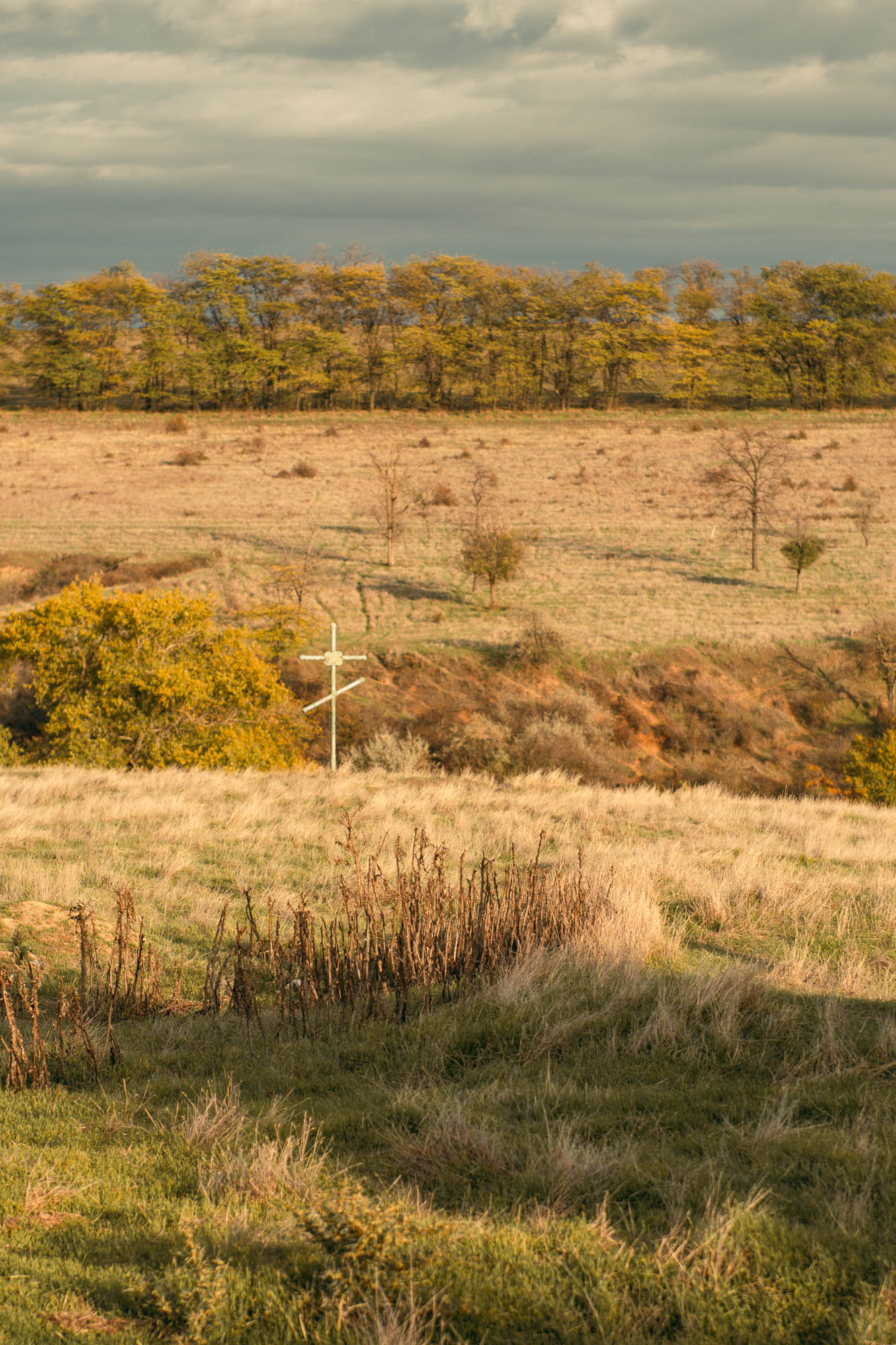
The next logical step would have been Odesa. But as the trip was starting to feel a notch too long, and since we had both been to Odesa at the dawn of our relationship — and, frankly speaking, Odesa is very much a summer place — we decided to postpone the visit for later. Instead, we made a stop at a cemetery where, according to a local friend of mine, ancient Cossack graves could be found. And indeed, there they were. While the government is still deciding on the best way to protect this historical heritage, the heritage itself is slowly falling into decay…


After this short visit, we hit the road and drove in the direction of Mykolaiv. It was a long, meditative drive under a grey sky; the only stop we made was to buy some grapes and “homemade” wine in Koblevo — another Ukrainian wine spot. I can’t swear on my honour that it was truly homemade, but I do hope our “official” wineries don’t produce the kind of piss we purchased.
From this point on, the trip somewhat changed its vibe and main purpose. We had fulfilled our primary exploratory goal — visiting Moldova and Ukrainian Bessarabia.
Now it was time for another purpose: family.
Even though I was born in Kyiv, my family is from the south — from Kherson and Mykolaiv oblasts. I spent most summers of my childhood in this area and still have my paternal grandparents there. And it’s been sixteen (SIXTEEN!!) years since we last saw each other. It is kind of embarrassing to admit on a travel blog that, despite being on the road and travelling ALL THE TIME, until this year I hadn’t gone south to see them. But families are rarely simple, so I had my reasons. Besides, with such very understandable obstacles as Covid-19 and then the Russian invasion, it was difficult to plan anything. However, my grandparents aren’t getting any younger, and the moment has come.
The plan was as follows: spending half a day in Mykolaiv; going to a village 80 km away to visit my Grandma; going to Kherson to visit my Grandpa. I can’t believe our life brought me to travel stories like these.

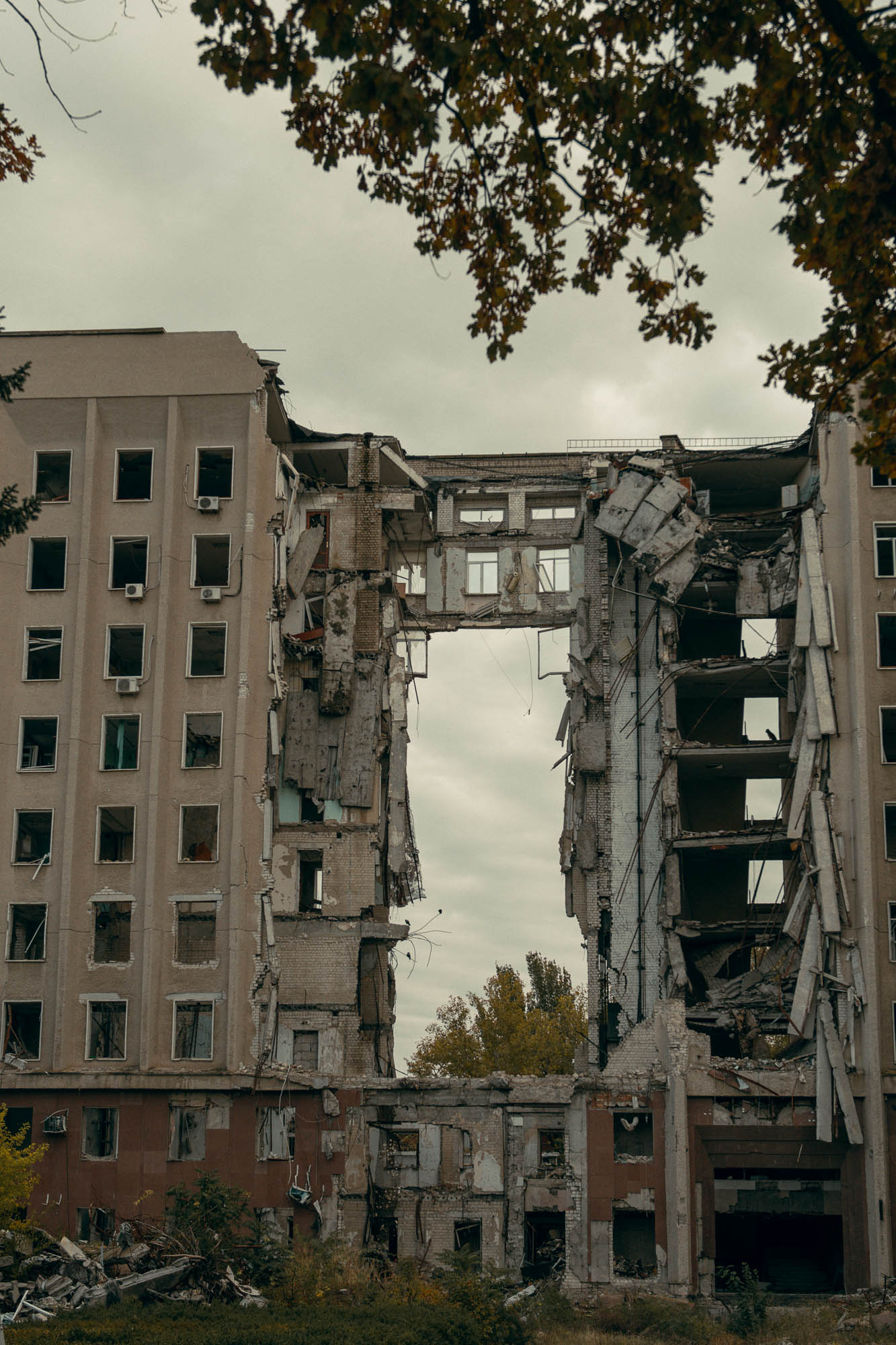
Mykolaiv
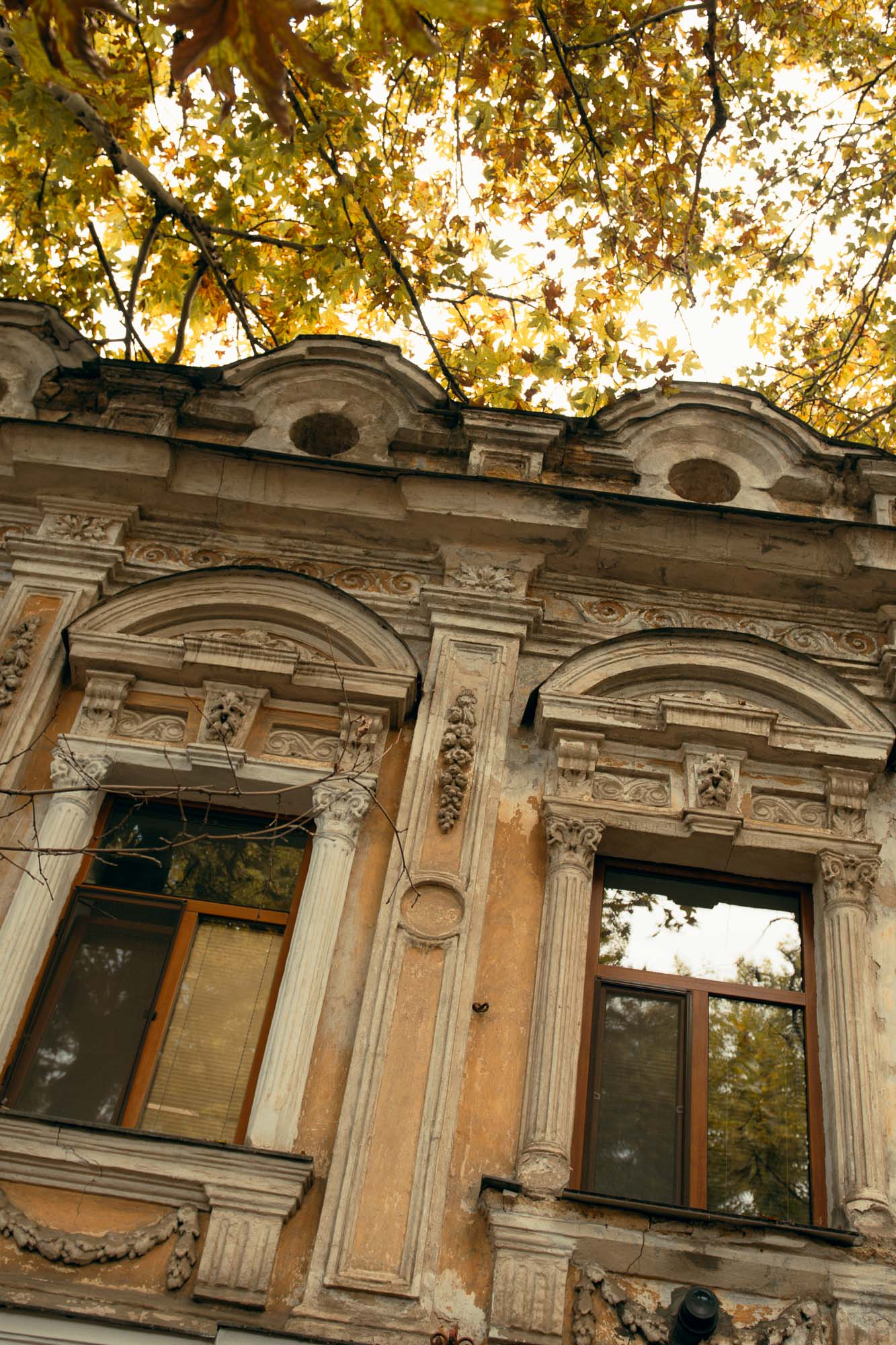
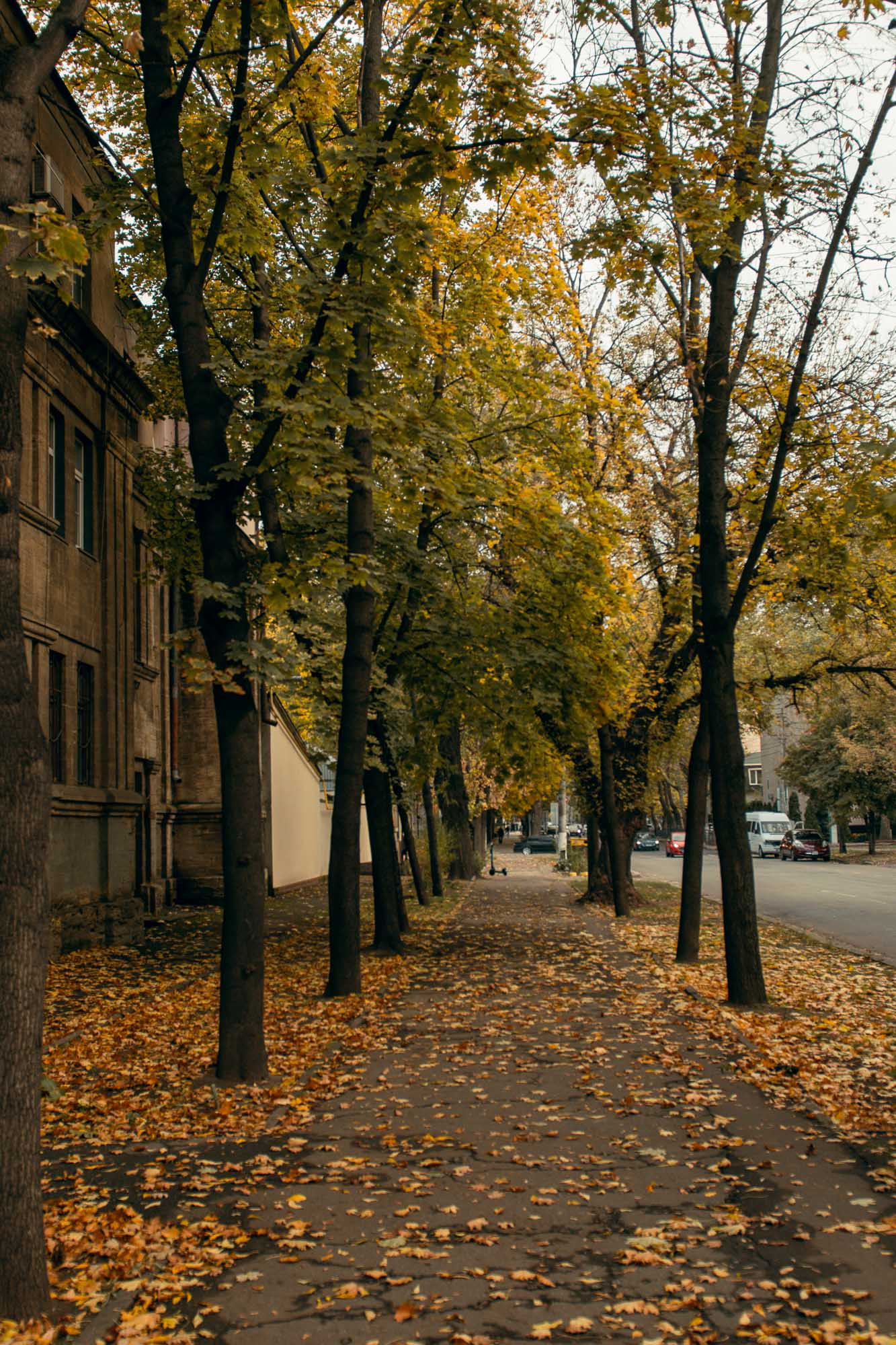
I’ll start with Mykolaiv, though. To be honest, I was expecting a regular, dull, war-ravaged, typical post-Soviet town. That wasn’t the case. It’s a neat city, with lots of young people on the streets, not at all as morbid as I had feared — as a city relatively close to the frontline, I imagined it would be much emptier. Even though the weather was gloomy and colourless, we still didn’t feel that famous “Slavic depression.” Even if it bears the marks of war (courtesy of the Russians), it carries them with a lot of dignity. Mykolaiv’s defence in 2022 was something spectacular, and those days felt like a major supporting column of a crumbling world. I can’t say how everyday life must feel there now, but from my observations in Kyiv, it depends immensely on the individual — their resilience and brain chemistry.


Tarasivka
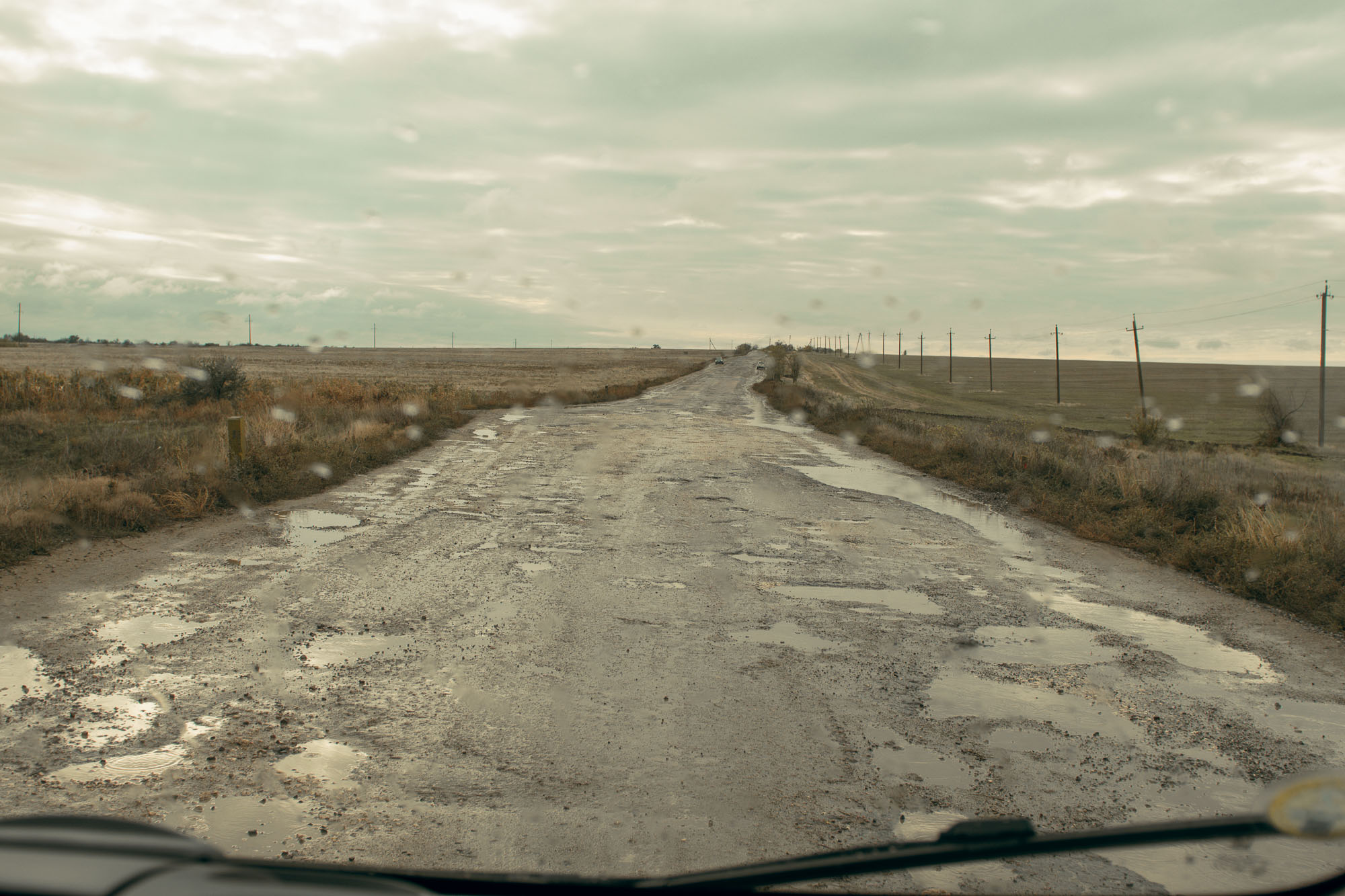
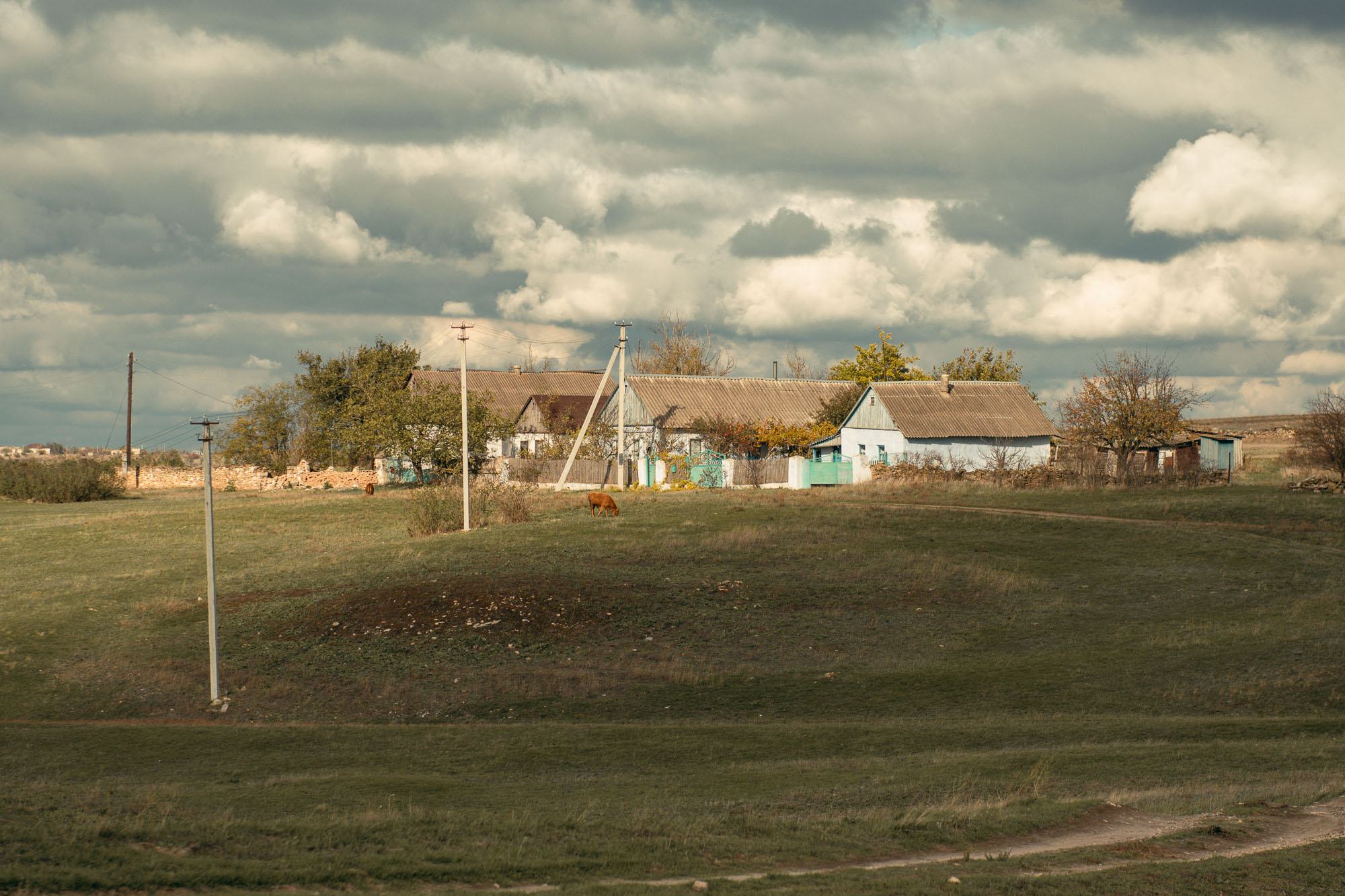
The nights in our Robbie were over, though, as we needed a stable base for our upcoming visits; therefore, we booked three nights in a small, nothing-to-report hotel. In the morning, off we went to the tiny village of Yelyzavetivka — a horrible Russian naming of what used to be (and should be) Tarasivka. “Went” is not descriptive enough — rather, we “crawled,” trying to cause as little damage as possible to poor Robbie on these “roads.”
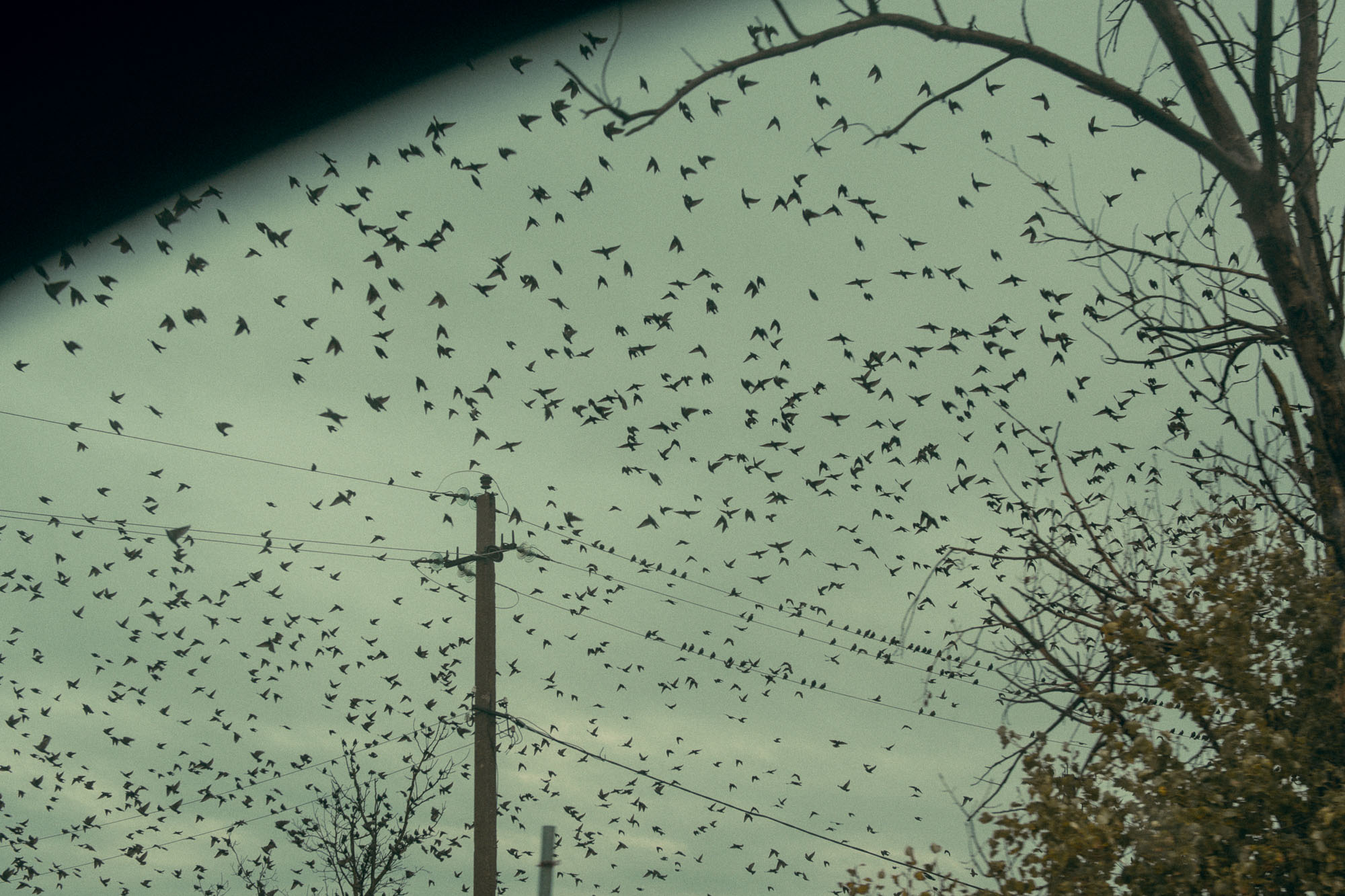
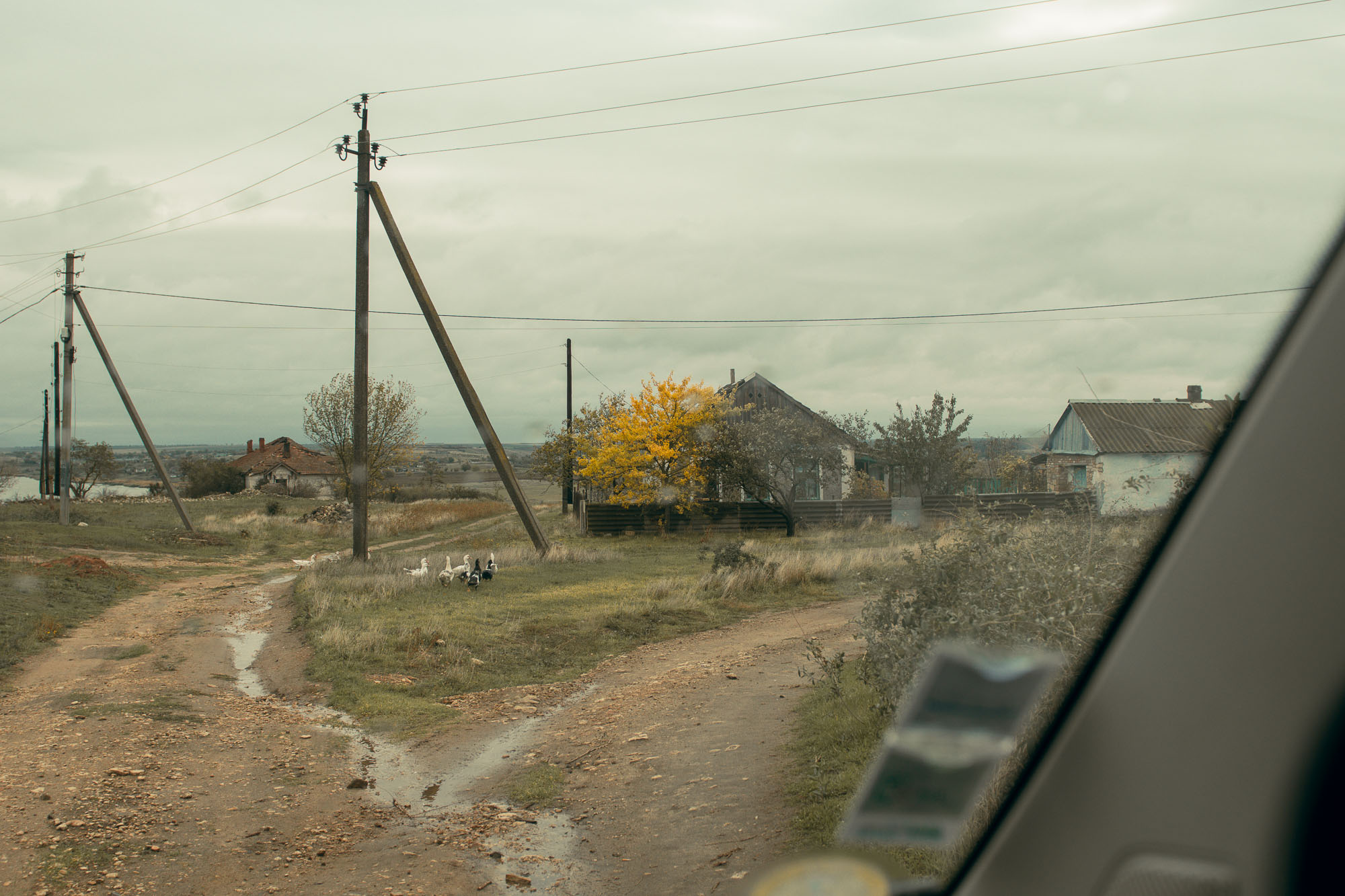
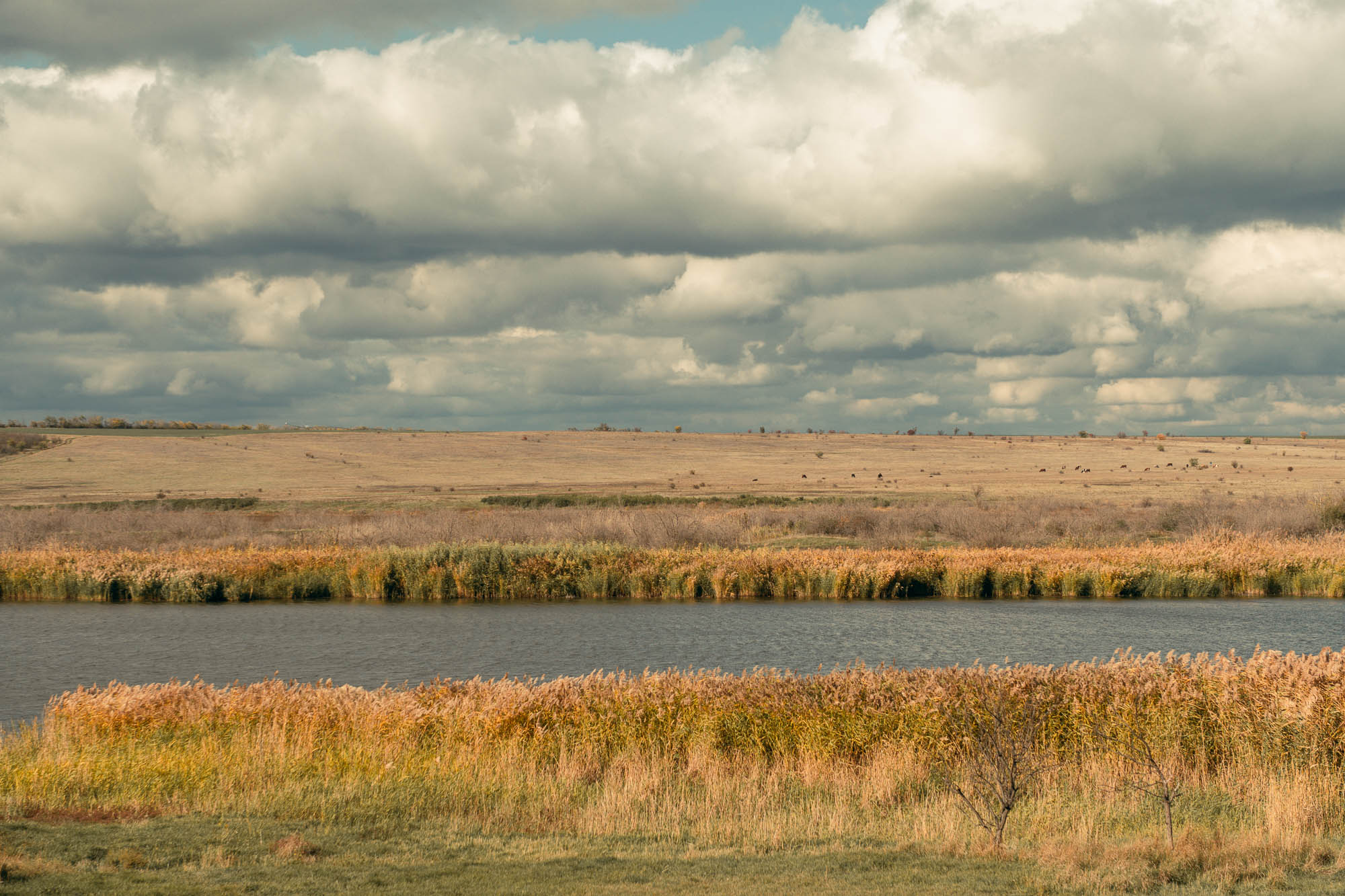
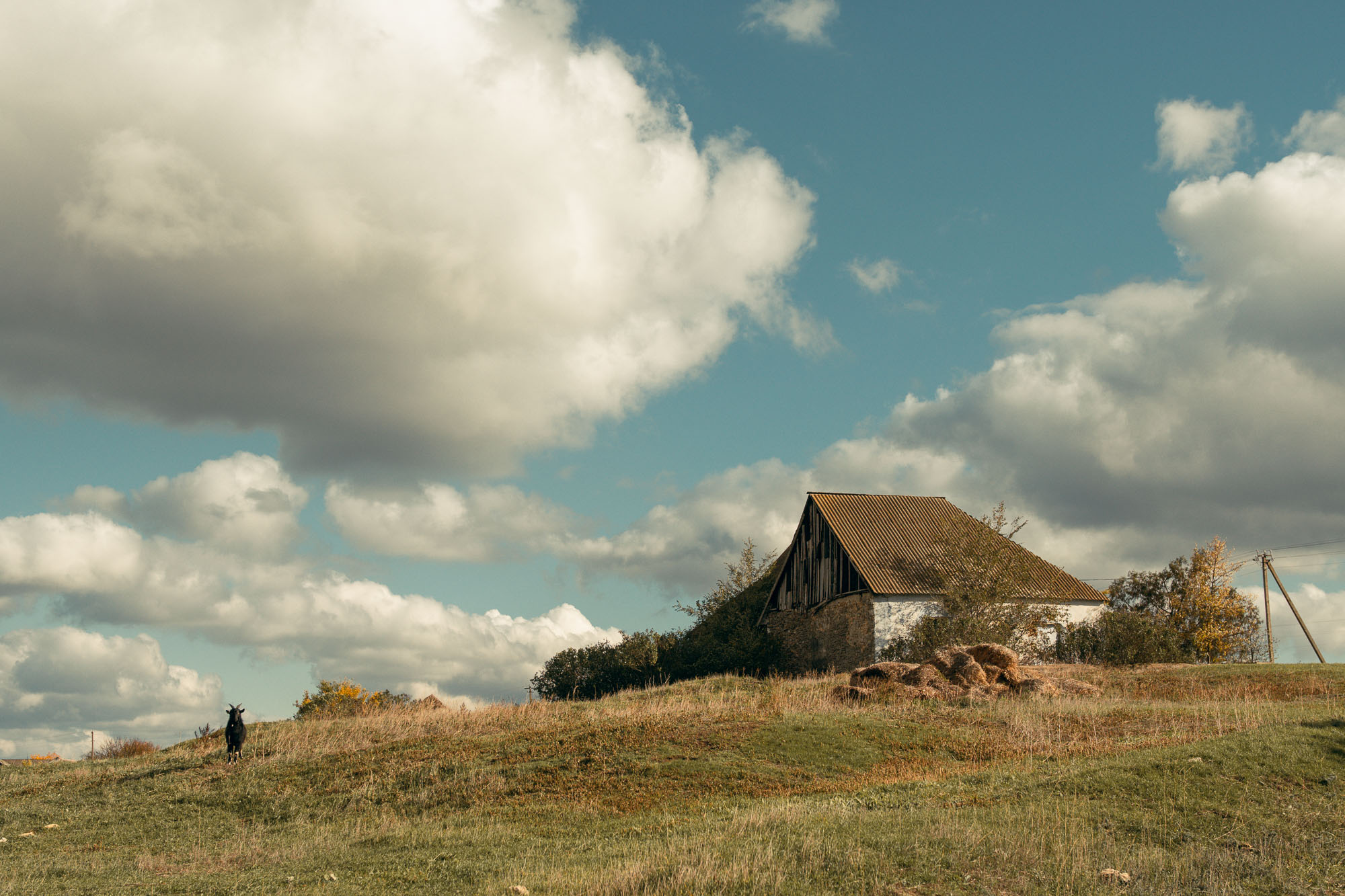
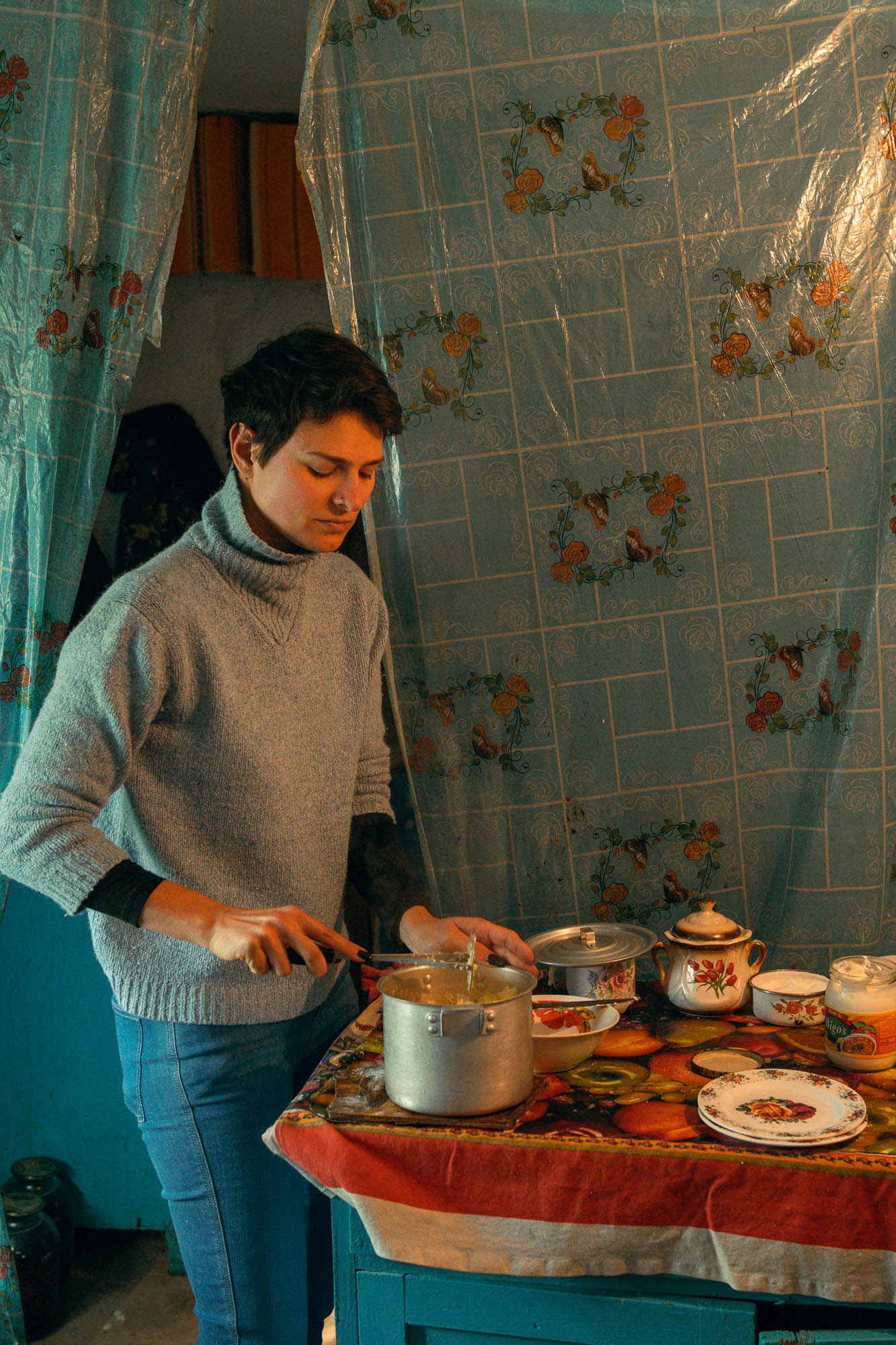
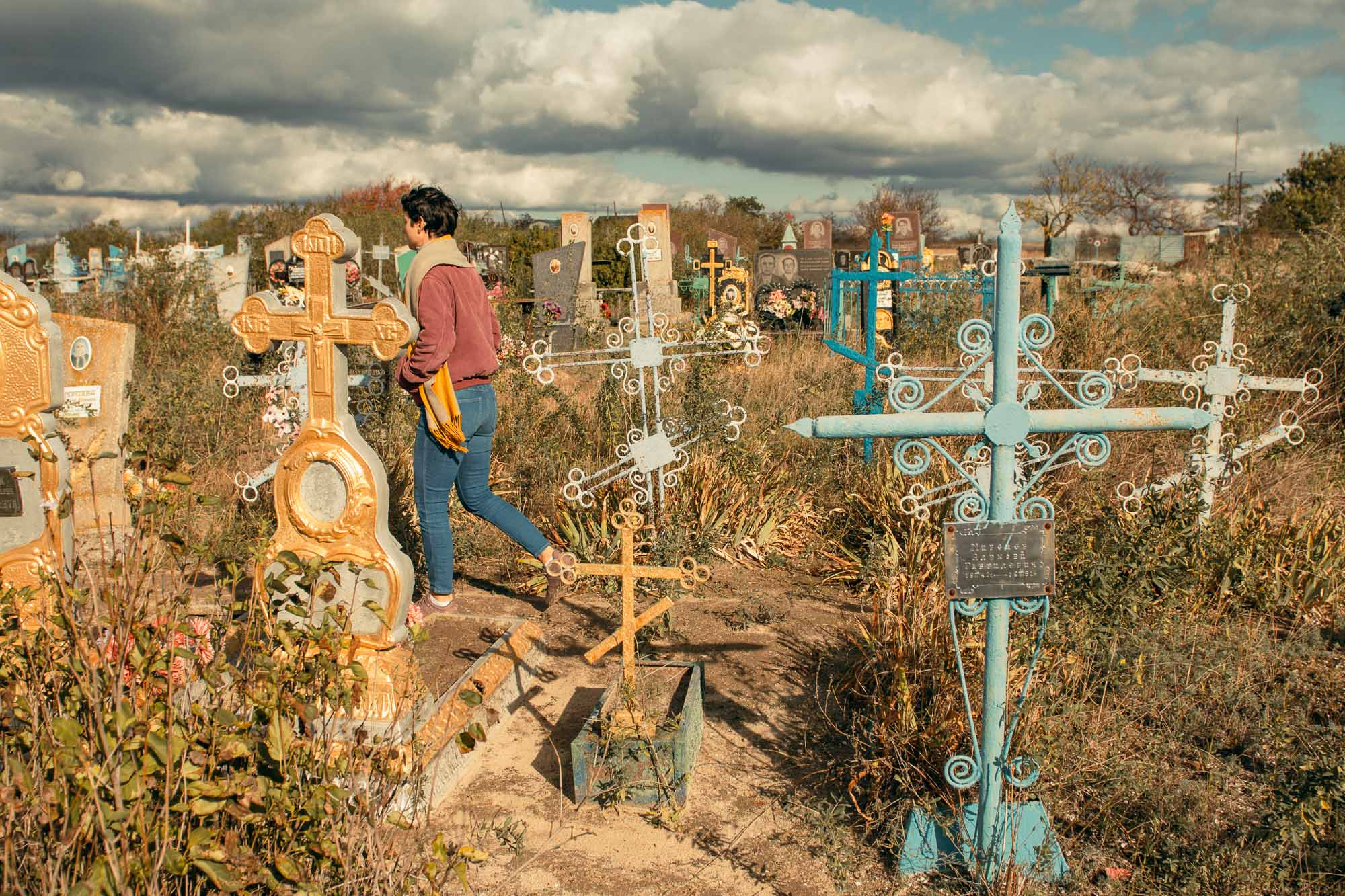
My grandmother has been living there for ages. I won’t write out the whole complicated family history (much of which I learned during this visit, ahah), but I’ll just say that the Ukrainian south has lived through very complicated times — even more complicated than other parts of Ukraine. The latest shit was the Russian occupation, which my Grandma survived like a warrior, and the explosion of the Kakhovka Dam, which cost thousands of houses and the lives of both humans and animals. It takes a special kind of spirit to keep living alone in such a climate and still find joy in simple things. Another strange fascination is visiting a village cemetery and seeing your own name on a good third of the graves. And it is equally fascinating to return to the place where a huge part of one’s identity was forged through one’s ancestors.

Kherson
The final part — or should I go as far as calling it “the final boss” — of this trip was going to Kherson. It was a very tough decision to make.
If right now (in December 2025) you google Kherson, the first things you’ll see are reports of occupation, then liberation, and today’s terror that Russians inflict on the local population. “Human safari,” it’s called.
Russian forces were pushed out of Kherson, but the trouble is that they positioned their bases on the other bank of the Dnipro, using the multiple islands and reedbeds of the area. Chasing them away is extremely difficult at the moment, and they have no scruples about launching drones at the civilian population of Kherson. No air defence can really protect people from drones; hence the constant victims, deaths, and destruction. Kherson was liberated, but it has no normal life.
All this to say that going to Kherson in 2025 was not an easy decision. But the thought of sixty thousand people still living there (out of a pre-war population of 300,000) helped me dare. Besides, my grandfather lives in an off-centre area, so the risk was slightly lower than otherwise. The night before the visit was not a peaceful one.

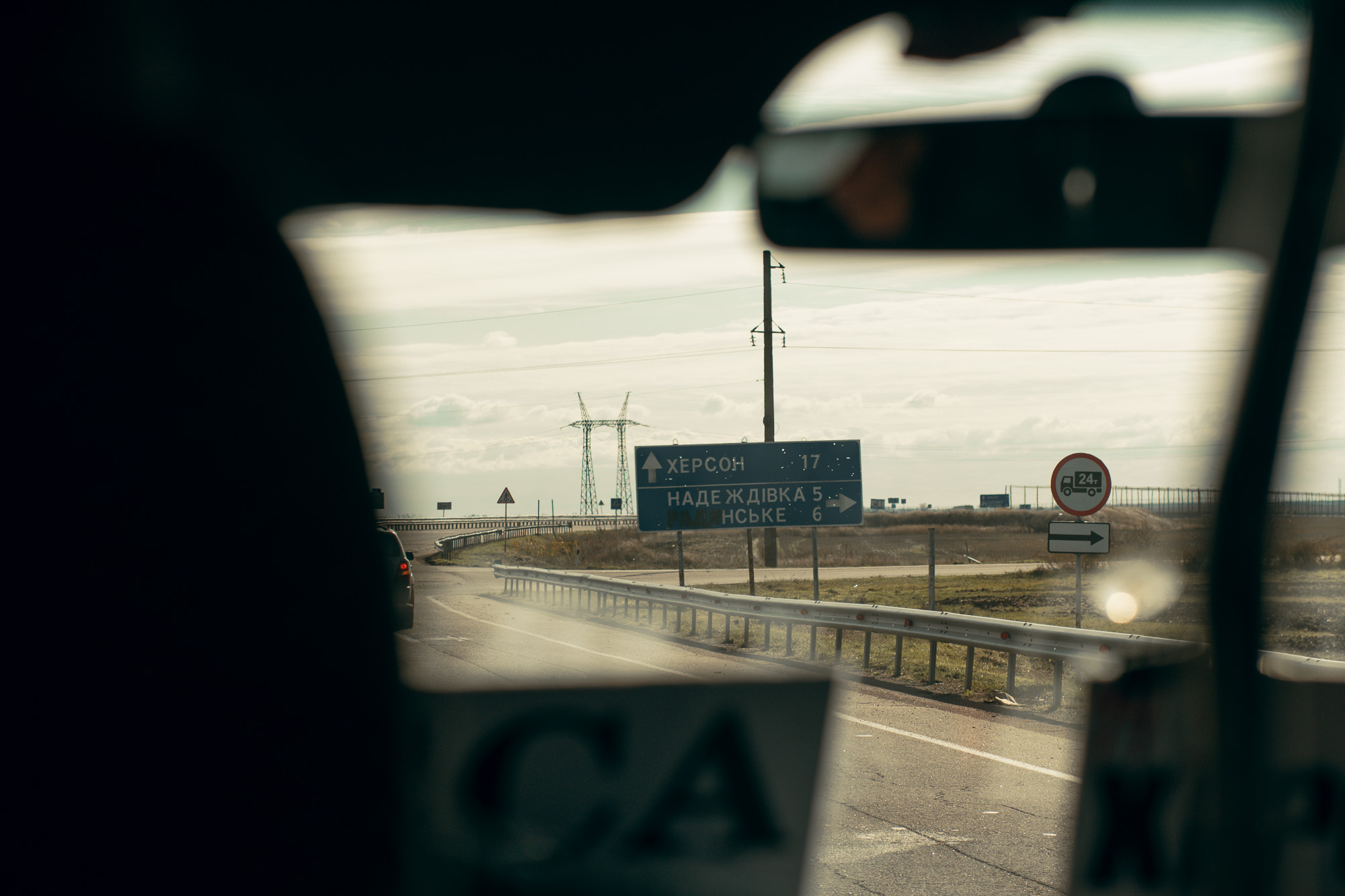
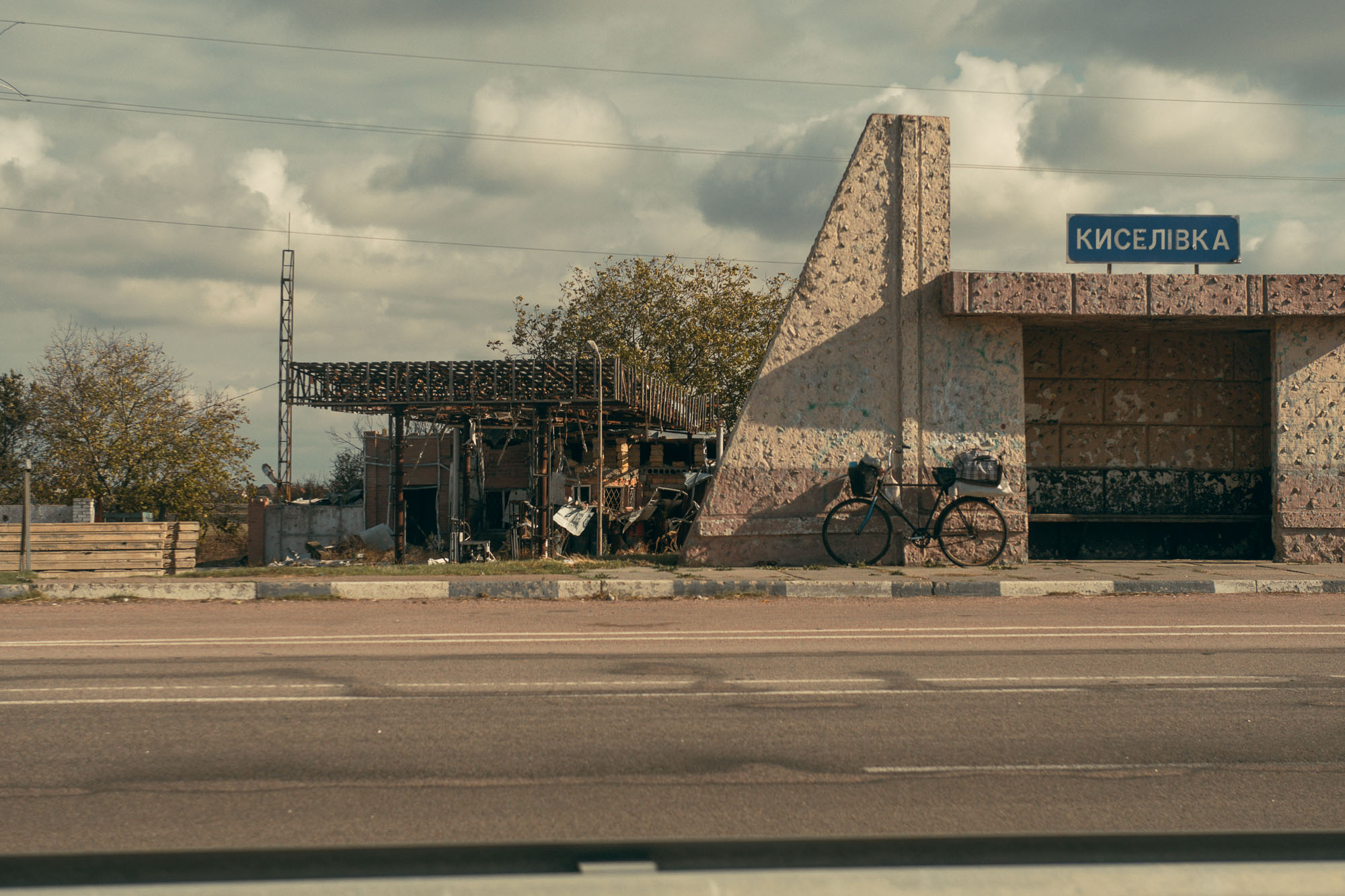
We booked two seats on a private bus to Kherson, and that’s where it began. The road was already hard to bear — bullet holes everywhere, burned gas stations and cars, abandoned sheds — but the worst part was the start of a huge anti-drone net covering about 20 km of road. Like a movie. Unfortunately, I didn’t feel at ease taking photos — I wish I were more audacious in this regard, but no — photographing castles in France requires a very different set of skills.
One can’t go to Kherson without a reason these days. At the checkpoint, we were taken off the bus for close document inspection — unlike other passengers, we didn’t have a paper with a clear Kherson address. Once our connection to Kherson was proven (after all, I have property in the city 😅), the soldiers put us in a passing car that drove us directly to my grandad’s. They were adamant, though, about making sure we understood that one or two civilians die in Kherson every day and that this is not a place for tourism. We knew.
Crossing the empty streets of Kherson was extremely eerie and endlessly sad. Everything is barricaded, covered with wooden boards; cars are equipped with anti-drone radars, and the bus station looks like a labyrinth of massive black blocks — another anti-drone measure.

During the day at my grandad’s place, we kept hearing explosions and shots — he argued that it was quite a “calm” day though. Leaflets about cholera prevention — another consequence of the Kakhovka Dam explosion — lay scattered on his table. I have no idea how or why people keep living here (moreover, I saw pregnant women with babies in prams!), but as I said earlier, it depends so much on each person’s vision, temperament, values, and priorities. Some people think it’s crazy to live in Kyiv. People in Kyiv were horrified to learn we were going to Mykolaiv. People in Mykolaiv raised their eyebrows at the idea of going to Kherson. Everything is relative.
The next day we made our way back to our village and that was it.
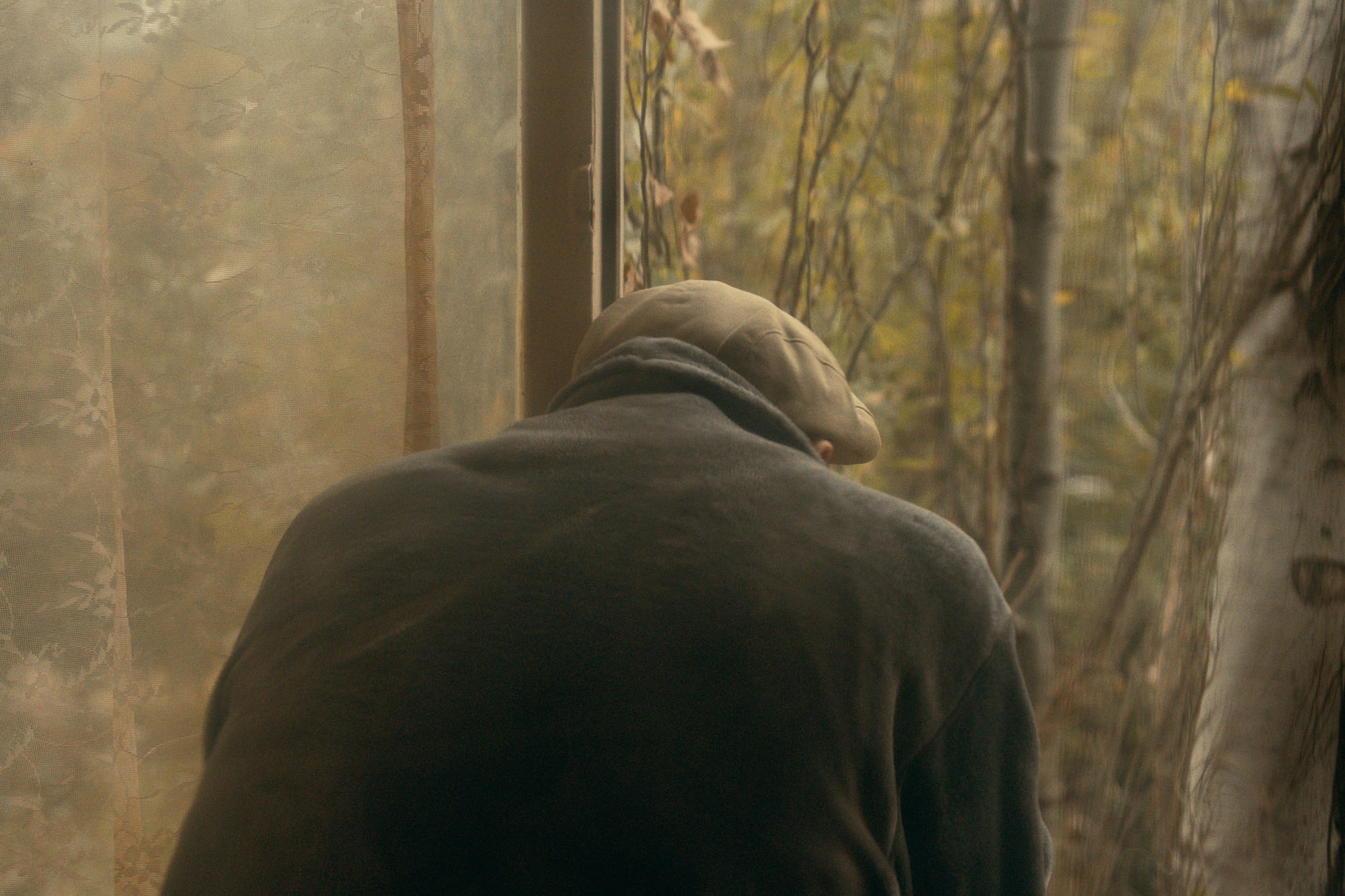
That makes a brutal contrast with the beginning of this road trip in Moldova, with wine and mamalyga — but here is a different kind of travelling for you. I never expected our blog to include stories of going to war zones, but then again, I never expected my country to become one huge war zone. You never know.
I still hope you enjoyed this report.

Leave A Comment